CUSTOMISE Your Tiny Home - Call us now!

How Much Do Little Homes Cost in 2026?

How much do little homes cost in 2026? There is no single reliable price, because “little homes” can mean factory-built models, tiny houses on wheels, or compact site-built cottages. Each option carries different costs for materials, labor, land, delivery, and utility connections. A low advertised price may cover only the structure.

A useful benchmark comes from the National Association of Home Builders’ 2024 Cost of Construction Survey. It reported an average construction cost of $428,215 for a typical single-family home. That figure is not a little-home estimate; it shows why direct square-foot comparisons can mislead. The U.S. Census Bureau and HUD also publish manufactured-housing data, which can help readers compare factory-built homes with other housing types. Definitions and included costs matter.

The details are tangible. A finished unit may still need a foundation, a driveway, power, water, or a crane for placement. Land and local site work can change the budget sharply. One weakness in many online price guides is that they mix shell-only quotes with move-in-ready totals. That makes comparisons feel easier than they are. This guide separates the home’s purchase price from delivery, preparation, and ongoing expenses, while noting where estimates remain uncertain. Before relying on any figure, check what the seller includes and request a written, itemized quote.
How Much Do Little Homes Cost in 2026?

What Counts as a Little Home in 2026

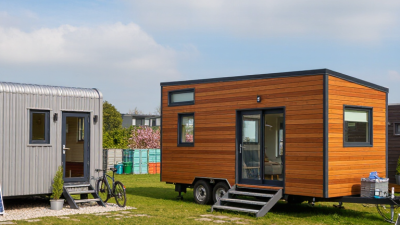
In 2026, “little home” remains a descriptive phrase, not one official size category. Many people use “tiny home” for a dwelling around 100 to 400 square feet, though some small-home definitions reach beyond that. The label alone tells you little. A compact cottage, a backyard dwelling, and a home on wheels may all be called little homes, yet differ in design and rules.

Size is only part of the picture. Consider whether the space is a full-time residence, how many people it serves, and whether it has a kitchen, bathroom, and sleeping area. A 350-square-foot home with a loft can feel very different from a single-level home of the same size. Measure carefully. Listings may count lofts or usable floor space differently, so check the stated area and what it includes.

In practice, whether a home can be placed or lived in depends on local building and land-use requirements, not just its square footage. Foundation type, utility connections, and whether it is movable can matter. That distinction can feel fussy, but it is easy to confuse a small home’s popular name with its formal classification. For buyers, renters, or planners, the clearest starting point is the actual floor area, intended use, and applicable local definitions.
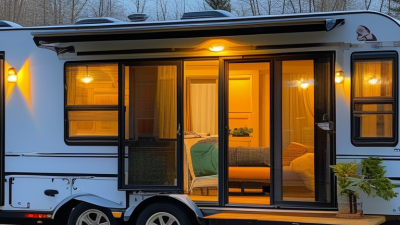
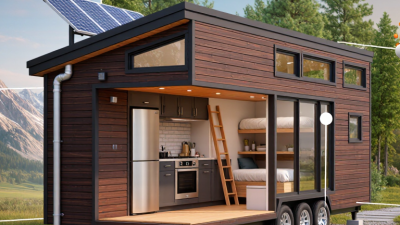
How Little Home Prices Vary by Size and Type

For 2026 planning, size is only part of a little home’s price. A 2025 U.S. home-improvement cost guide estimates many tiny homes at $30,000–$60,000, with reported costs around $150–$450 per square foot. A compact 200-square-foot unit could therefore vary widely. The kitchen, bathroom, insulation, and utility connections explain much of that spread. Small can still mean costly.

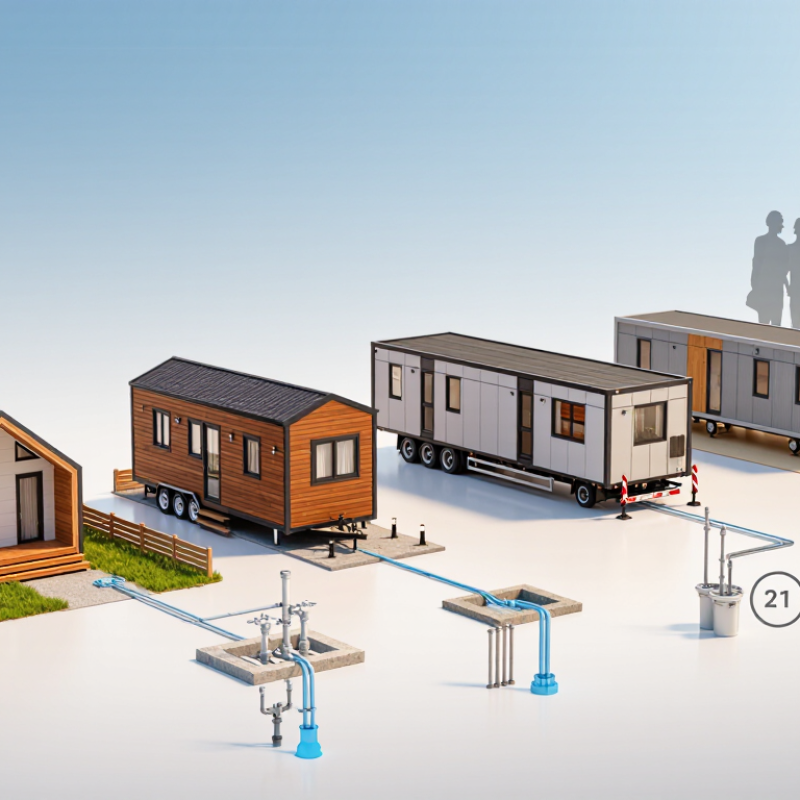
Type changes the budget, too. A wheeled unit may need a trailer and road-ready construction; a foundation-built home may add site preparation, permits, and utility work. The National Association of Home Builders’ 2024 construction-cost survey put average single-family construction at about $162 per square foot, but that figure is not a tiny-home quote and excludes many project-specific costs. Treat it as context, not a direct comparison. One frustrating detail: published tiny-home estimates do not always define “turnkey” the same way. Ask whether the price includes delivery, appliances, hookups, and land work before comparing offers. A low sticker price can leave the most visible costs outside the estimate.

Which Factors Shape the Purchase Price

In 2026, the price of a little home depends on more than its floor area. An advertised base price may cover the structure but exclude delivery, site work, or utility connections. Ask for an itemized quote. A home built on wheels may avoid some foundation costs, while a permanent build may need excavation, a slab, or other groundwork. The cheaper option depends on the site.

Size matters, but layout and materials matter too. A small home with custom cabinets, large windows, and high-end insulation can cost more per square foot than a larger, simpler design. Roof shape, plumbing, heating, and the number of bathrooms also affect the bill. Even a few extra feet can change material needs. That detail is easy to overlook.

Location shapes the final purchase price through labor rates, transport distance, weather, and access to services. A narrow rural road may require special delivery planning; a sloped lot may need grading before construction begins. Utility hookups can add substantial costs, especially when water, power, or wastewater connections are far away. Some quotes include these items, and some do not. Compare the same specifications, then keep a contingency for surprises. I would not treat a low starting price as a reliable estimate until the land and installation costs are clear.

What Additional Costs Come With a Little Home

A little home’s purchase price may not include the work needed to make its site usable. The National Association of Home Builders’ 2024 Construction Cost Survey found site work averaged $32,719, or 7.6% of construction costs, for surveyed new single-family homes. Permit fees averaged $7,640, or 1.8%. These are not tiny-home estimates, but they show how easily site and approval costs can add up. That comparison is imperfect.

Budget separately for grading, a foundation, a driveway, and connections for water, power, and wastewater. A rocky slope or a long distance to existing utility lines can change contractor quotes substantially. Rural lots may need a well or septic system; ask local installers to assess the land before committing. Delivery and crane placement can also cost extra when access is narrow or overhead clearance is low. Then account for recurring expenses, such as property taxes, insurance, and maintenance. A small floor plan does not guarantee small bills. Request itemized estimates, and leave room for surprises; even a careful budget can miss what lies beneath the soil.

How Much Do Little Homes Cost in 2026? - What Additional Costs Come With a Little Home
Additional Cost Typical U.S. Estimate What It Usually Covers Main Cost Factors
Land purchase $5,000–$100,000+ A lot or rural parcel for placing the home; land is not included in most home prices. Location, acreage, road access, zoning, and availability of utilities.
Site preparation $1,000–$10,000+ Clearing, grading, drainage work, and preparing a stable building area. Slope, soil conditions, vegetation, access for equipment, and drainage needs.
Foundation or parking pad $3,000–$12,000 piers, a slab, or another permitted support system for a stationary home; a trailer-based home may need a level parking pad instead. Foundation type, local engineering requirements, soil, and frost depth.
Utility connections $1,000–$30,000+ Connecting to available electricity, water, and sewer lines. This estimate excludes separate well or septic installation. Distance to service lines, trenching, utility-provider fees, and local site conditions.
Well installation, if needed $5,000–$15,000+ Drilling and equipping a private water well. Drilling depth, geology, pump and treatment equipment, and local testing requirements.
Septic system, if needed $3,000–$15,000+ A private wastewater system where public sewer service is unavailable. Soil percolation results, system design, terrain, permits, and installation access.
Permits, inspections, and plans $500–$5,000+ Potential building, electrical, plumbing, zoning, and inspection fees, plus required plan or engineering work. Local rules, whether the home is movable or permanent, and the number of approvals required.
Delivery and transport $1,000–$10,000+ Transporting a prefabricated or trailer-based home to its site. Travel distance, home size and weight, route restrictions, escorts, and site accessibility.
Crane or special placement $500–$5,000+ Crane rental or other equipment needed to position a home on a foundation or difficult-to-reach site. Lift height and weight, rental duration, crew needs, and access constraints.
Steps, deck, or entry landing $500–$5,000+ Basic exterior access features that may not be included with the home. Materials, size, railing requirements, and whether the design needs to meet accessibility rules.
Heating, cooling, and ventilation upgrades $1,000–$8,000+ Equipment or installation beyond the standard package, such as a mini-split system or additional ventilation. Climate, insulation, home layout, electrical capacity, and equipment efficiency.
Insurance $500–$2,000+ per year Coverage for the home and its contents, if a suitable policy is available. Whether the home is movable or permanent, location, replacement value, and coverage limits.
Property taxes Varies by location Annual taxes may apply to the land and, depending on local classification, the home. Assessed value, local tax rates, and whether the home is treated as real or personal property.

Estimates are broad planning ranges for the United States, not fixed 2026 quotes. Actual costs depend on location, site conditions, local codes, and the home’s size and type. Not every item applies to every project; confirm requirements and pricing with local authorities and qualified contractors before budgeting.

How Location and Ownership Affect Total Costs

How Much Do Little Homes Cost in 2026?
How Location and Ownership Affect Total Costs

A little home’s sticker price tells only part of the story. Angi’s 2025 tiny-home cost guide estimates many builds at $30,000–$60,000, but land, delivery, and utility connections can add substantially. A flat, serviced lot may be simpler than a remote hillside plot. The cheaper listing can become the pricier project.

Location also shapes recurring bills. Property taxes, insurance, water access, and local utility rates vary, while rural lots may need a well or septic system. The U.S. Census Bureau’s 2023 manufactured-housing data put the average new-home sale price at about $124,300, excluding land. That is not a tiny-home quote, but it shows why land and setup must be budgeted separately. Ownership matters, too: a home on wheels may avoid some site costs, yet parking fees and suitable hookups still add up. The comparison is imperfect.

Tips: Before buying, price the lot, delivery route, permits, foundation, utility hookups, and insurance in writing. Ask whether the quoted home includes appliances and installation. Leave a contingency; site work can surprise you.