2026 Best Affordable Tiny Homes for Global Buyers
The search for the 2026 best affordable tiny homes is becoming more global, practical, and demanding. Buyers now compare more than purchase prices. They examine insulation, transport costs, energy systems, maintenance access, and local building requirements. A low-cost cabin may look attractive beside a lake, yet perform poorly in a cold climate.
Jay Shafer, a respected tiny-house designer and early movement pioneer, has said, “A tiny house is a house that is small enough to be affordable and simple enough to be easy to maintain.” That principle remains useful for international buyers. Affordability should include delivery, foundations, plumbing connections, insurance, and long-term repairs. Otherwise, the bargain quickly becomes expensive.
This guide examines compact homes suited to different budgets, climates, and lifestyles. We will consider fixed cottages, movable homes, modular units, and self-contained designs. Some models offer clever storage beneath stairs, fold-down tables, and bright windows. Others sacrifice comfort for a lower price. That trade-off deserves honest attention.
Small is not always simple.
Readers should also question glossy specifications. A 20-square-metre home may suit one person, but feel restrictive for a family. A solar package may work in southern Europe, yet struggle during a northern winter. Prices can change quickly, and import rules differ between countries. This overview therefore focuses on realistic value, transparent features, and practical ownership decisions. The best affordable tiny homes are not merely cheap. They are durable, repairable, climate-appropriate, and genuinely suitable for everyday life.
What Defines an Affordable Tiny Home in 2026
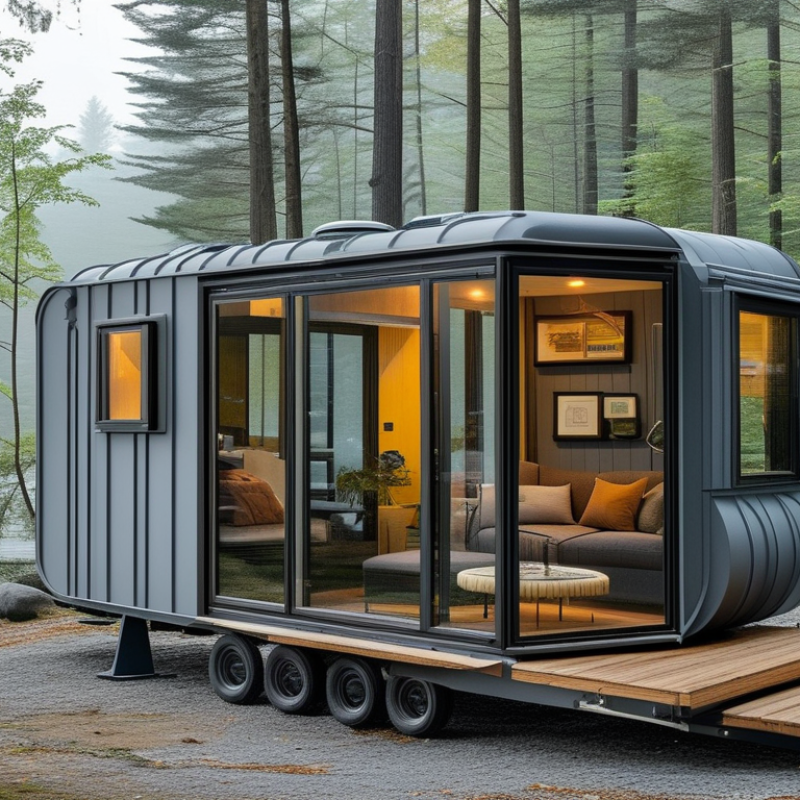
In 2026, an affordable tiny home is not simply the cheapest shell on a sales page. It is a small dwelling whose purchase, delivery, setup, and monthly running costs fit a realistic household budget. From site assessments, overlooked expenses are often concrete: foundations, utility connections, permits, transport, and weather protection. A 20-square-meter home may look inexpensive, yet a difficult rural road can raise delivery costs sharply. Price matters. Total cost matters more.
Affordability also means dependable performance. Good insulation, controlled ventilation, efficient heating, and durable windows can reduce energy bills through hot summers and cold winters. However, efficiency should be measured against the local climate, not a generic brochure claim. Buyers should request material specifications, warranty terms, moisture-control details, and written cost estimates. Independent inspection is worthwhile, especially when a home arrives prefabricated. Small defects become expensive when walls conceal leaks.
A practical 2026 model should support daily life without turning every task into a compromise. Clear storage, safe stairs, repairable fixtures, natural light, and flexible space all have value. Accessibility may require wider doors or a ground-level sleeping area. That can increase the initial price but improve long-term usability. I have seen buyers focus too narrowly on floor area and regret missing storage later. My own view is imperfect: a lower price can be attractive, but true affordability includes resilience, local compliance, and honest maintenance planning. The cheapest option may not stay cheap.
Key Costs, Features, and Space Planning Considerations
2026 Best Affordable Tiny Homes for Global Buyers
A realistic 2026 budget starts with the land, not the floor plan. A compact home may cost $35,000–$120,000 before transport, foundations, utility connections, taxes, and professional inspections. My first budget was too optimistic. The 2024 NAHB Cost of Constructing a Home Survey reported an average U.S. construction cost of $428,215, excluding land. That figure is not a tiny-home quote, but it shows why small size alone cannot guarantee affordability. Import duties, local labor, climate, and building approvals can change the final price sharply.
Space planning should protect daily movement. A 20–30-square-meter layout needs one clear walkway, a full-size shower, and storage near the entrance. Use a bed platform only if climbing remains practical for every resident. A fold-down table saves space, but repeated setup becomes frustrating. Measure appliances before ordering. This detail prevents expensive redesigns. The U.S. Department of Energy reports that windows can account for 25–30% of residential heating and cooling energy use, so efficient glazing and external shading deserve priority over decorative finishes.
For international buyers, insulation, airtight construction, mechanical ventilation, and efficient heating usually offer stronger value. In cold regions, protect pipes and provide a serviceable utility zone. In hot climates, cross-ventilation and roof shading matter more than oversized glass. Request itemized quotes, product specifications, warranty terms, and delivery assumptions. Treat online price estimates cautiously. A local architect or building surveyor should confirm compliance before payment, because transportable does not always mean legally movable. Some compromises remain unavoidable.
2026 Best Affordable Tiny Homes for Global Buyers - Key Costs, Features, and Space Planning Considerations
| Home Type |
Typical Floor Area |
Indicative 2026 Base Cost (USD) |
Best Use |
Key Features |
Main Space-Planning Considerations |
| Micro Studio |
100–180 sq ft
9–17 m² |
$25,000–$55,000 |
Single occupants, guest accommodation, short stays |
Combined living and sleeping area, compact kitchenette, wet-room bathroom, built-in storage |
Use a wall bed or sofa bed; keep clear circulation paths of approximately 30–36 inches; prioritize one large window for daylight and perceived space. |
| One-Bedroom Tiny Home |
180–320 sq ft
17–30 m² |
$45,000–$85,000 |
Couples, longer-term living, rural or suburban sites |
Separate sleeping zone, full or compact kitchen, bathroom with shower, convertible dining area |
Allow about 35–50 sq ft for the bedroom zone; combine dining and work functions; place plumbing fixtures close together to reduce installation complexity. |
| Loft Tiny Home |
200–400 sq ft
19–37 m² |
$50,000–$95,000 |
Buyers seeking more usable floor area on a small footprint |
Sleeping loft, open-plan lower level, storage stairs, compact utility zone |
Check local rules for loft height and emergency egress; provide safe stair access; avoid placing frequently used storage in difficult-to-reach loft areas. |
| Family Compact Home |
350–600 sq ft
33–56 m² |
$80,000–$150,000 |
Small families, accessible downsizing, full-time living |
One or two bedrooms, larger kitchen, dedicated storage, standard-height living areas |
Separate noisy and quiet zones; include stroller, clothing, and food storage; design at least one step-free route where possible. |
| Container-Style Modular Home |
160–640 sq ft
15–59 m² |
$35,000–$120,000 |
Modular projects, offices, rental units, rapid installation |
Factory-built modules, durable steel structure, repeatable layouts, fast site assembly |
Plan insulation carefully because steel conducts heat; verify transport dimensions, crane access, foundation requirements, and local approval procedures. |
| Off-Grid Cabin |
160–350 sq ft
15–33 m² |
$45,000–$110,000 |
Remote sites, recreation, low-grid-access locations |
Solar-ready electrical system, water storage, composting or low-water toilet options, wood or high-efficiency heating |
Reserve space for batteries, filters, pumps, and fuel; size systems according to climate and occupancy; provide accessible maintenance access. |
| Accessible Tiny Home |
300–500 sq ft
28–46 m² |
$75,000–$145,000 |
Older adults, wheelchair users, adaptable living |
Step-free entry, wider doors, turning space, reachable controls, accessible bathroom layout |
Confirm local accessibility standards; reserve approximately 60 inches of turning diameter where required; use slip-resistant flooring and adjustable fixtures. |
Cost and buying notes: The indicative ranges are planning estimates for the dwelling structure and standard interior fit-out only. They generally exclude land, site preparation, foundations, utility connections, transport, lifting equipment, permits, local taxes, import duties, furniture, and renewable-energy upgrades. International buyers should confirm local building codes, zoning, climate requirements, insurance availability, financing rules, and warranty coverage before purchase.
Typical additional budget allowances: Site preparation and foundations: 10%–25% of the home cost; transport and lifting: 5%–20%; utility connections or independent systems: 5%–25%; permits, professional services, and local taxes: 5%–15%. Actual costs vary substantially by country, terrain, distance, labor rates, climate, and regulatory requirements.
How to Compare Builders, Materials, and Delivery Options
2026 Best Affordable Tiny Homes for Global Buyers
How to Compare Builders, Materials, and Delivery Options
Comparing tiny-home builders requires more than checking the lowest price. Review their completed projects, structural drawings, warranty terms, and customer references. Ask whether their homes are designed for your destination’s wind, snow, heat, and moisture conditions. A polished website proves little. Verifiable documentation matters more.
Materials affect both comfort and long-term cost. Insulated wall panels can reduce heating needs, while durable metal roofing may perform well in wet climates. Check window specifications, plumbing fittings, floor protection, and corrosion resistance. Some affordable homes use attractive finishes that damage easily during transport. That detail is often missed. Request a written materials schedule before paying a deposit.
Delivery needs careful planning. Confirm whether the quoted price includes packing, port handling, unloading, local transport, and installation. Measure road widths, bridge limits, turning spaces, and site access before shipping. Ask who handles damage claims and missing components. Delivery schedules can change because of weather, customs procedures, or port congestion. Build extra time into your plans.
An independent surveyor or qualified local contractor can inspect the home before installation. Their fee may prevent expensive repairs later. I would not rely only on digital images, especially when buying across borders. The cheapest option can become costly after upgrades, permits, and site preparation. A realistic comparison includes every visible and hidden expense.
Legal, Financing, and Sustainability Factors by Region
In 2026, affordable tiny homes will depend on local rules, not only purchase price. “Tiny” is rarely a legal category. In the United States, zoning, foundation standards, and occupancy certificates differ by state and municipality. Canada applies provincial building rules, while European countries often require planning approval and energy compliance. In the United Kingdom, development rights can restrict permanent residential use. Australia also varies by state and council. Buyers should verify land tenure, utility connections, fire access, and resale rules before paying a deposit. A low price can hide expensive site preparation.
Financing remains uneven. Traditional mortgages may reject homes without permanent foundations or standard property titles. The World Bank reports that housing finance access remains limited for many low- and middle-income households, especially where formal income records are weak. Regional credit unions, cooperative housing loans, or staged construction finance may offer alternatives, but approval terms differ sharply. Get written repayment estimates. Verbal promises are not protection.
Sustainability adds measurable value, but claims need testing. The United Nations Environment Programme’s 2023 Global Status Report found that buildings produced about 37% of global energy and process-related emissions in 2022. Efficient insulation, passive solar design, low-flow fixtures, and smaller transport distances can reduce operating impacts. Yet a tiny home built with carbon-intensive materials or moved across continents may lose part of that advantage. The International Energy Agency also emphasizes whole-life efficiency, not just appliance ratings. I would question any “zero-impact” label. Materials, maintenance, relocation, and end-of-life disposal are easy to overlook.
2026 Best Affordable Tiny Homes for Global Buyers
Regional benchmark scores combine relative construction affordability, planning clarity, access to housing finance, and sustainability readiness. Higher scores indicate more favorable conditions for a tiny-home buyer.
Scores are normalized on a 0–100 scale using publicly reported housing-cost, planning, finance, energy, and building-performance indicators from UN-Habitat, the World Bank, the International Energy Agency, and national building-code sources. They are regional planning benchmarks rather than legal, tax, or financing advice.