What Is the Tiny House Movement and Why Is It Popular?
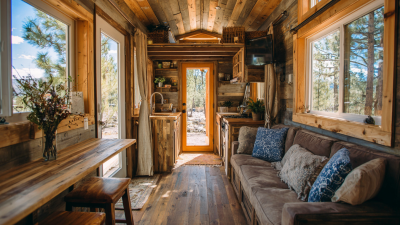
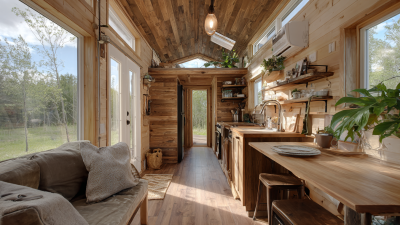
The tiny house movement has gained significant momentum in recent years. This shift toward minimal living reflects a desire for simplicity and financial freedom. According to a 2022 report by the American Tiny House Association, nearly 70% of tiny house owners report feeling financially stable due to reduced living costs. These homes, often under 400 square feet, encourage a lifestyle that values experiences over possessions.
Expert Andrew Morrison, an advocate in this field, emphasizes, "The tiny house movement is more than just housing; it's about a shift in mindset." His insights resonate with many who find joy in decluttering their lives. However, challenges persist. Zoning regulations can hinder construction, and finding appropriate land can be difficult.
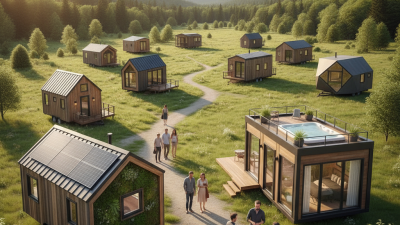
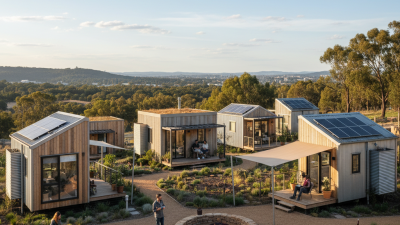
The appeal lies in sustainability and community. Many owners embrace eco-friendly practices and foster relationships with neighbors. While the tiny house movement offers numerous benefits, it also requires careful consideration of lifestyle changes. As more people explore this alternative, the conversation around what "home" means continues to evolve.
The Origins of the Tiny House Movement: A Historical Perspective
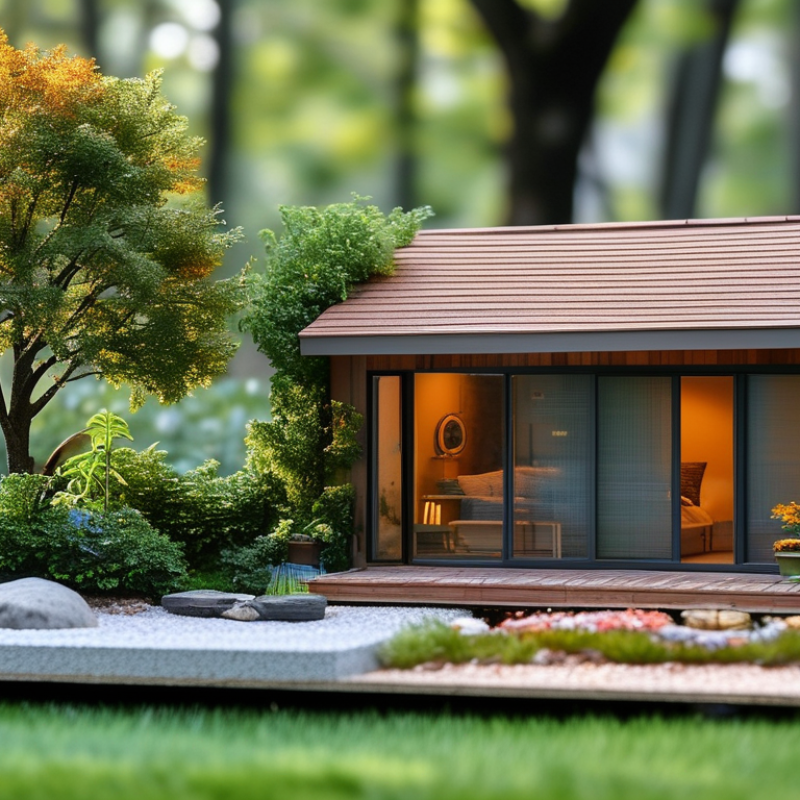
The tiny house movement finds its roots in various cultural and economic shifts. In the 1970s, the environmentally conscious communities began rethinking consumption. People started to consider how much space they truly needed. This marked a shift towards simpler, minimalistic living. The work of pioneers in the architectural field laid the foundation for tiny homes as practical, affordable, and sustainable options.
The early 2000s brought new momentum to the movement. Financial crises led many to reassess their lifestyles. Housing became increasingly unaffordable, pushing people to find creative solutions. Tiny homes emerged as a response to excessive consumerism and housing costs. As more individuals shared their tiny living experiences online, interest surged. Social media provided a platform for ideas and inspiration.
However, living in such small spaces isn’t without challenges. Limited space can cause friction among occupants. Storage becomes a big issue, requiring clever designs and discipline. Not everyone thrives in tiny homes. Some struggle with the minimal lifestyle, feeling restricted. This awakening calls for reflection on personal values and lifestyle choices.
Popularity of the Tiny House Movement Over the Years
Key Features and Designs of Tiny Homes: Maximizing Space and Efficiency
The tiny house movement is redefining modern living with its focus on maximizing space and efficiency. Tiny homes, typically under 400 square feet, emphasize minimalism. A report by the American Institute of Architects highlights that about 30% of Americans are interested in living in a tiny home. This growing interest stems from a desire for affordable housing and reduced environmental impact.
Designing a tiny home requires innovative use of limited space. This often includes multi-functional furniture and built-in storage solutions. For instance, a Murphy bed can serve as both a couch and a sleeping area. According to a survey from the Tiny Home Industry Association, around 70% of tiny homeowners report feeling less stressed than in larger homes. Their compact designs encourage a simpler lifestyle, which can boost mental well-being.
However, living in a tiny home isn't without challenges. Limited storage can lead to clutter if not managed well. While tiny living promotes a decluttered mindset, it requires ongoing commitment. Furthermore, zoning laws may restrict where tiny homes can be located. These factors demand thoughtful consideration before diving into the movement.
Demographics and Motivations: Who is Joining the Tiny House Movement?
The Tiny House Movement is gaining traction among diverse demographics. Recent studies show that around 68% of tiny house owners are women, often aged between 30 and 40. Many are motivated by the desire for financial freedom, and the average cost of a tiny home is about $60,000, significantly lower than conventional housing. It's a viable option for those seeking to minimize debt and live sustainably.
Young professionals are particularly drawn to this movement. They seek flexibility and minimalism over traditional stability. A report by the American Institute of Architects indicates that millennials value experiences over possessions. The tiny house lifestyle allows them to travel and work remotely without the burden of excessive costs. However, it's not without challenges. Limited space can lead to conflicts, especially among families. The balancing act between living small and personal comfort requires reflection.
Retirees also find appeal in tiny homes. Downsizing frees them from maintenance burdens, allowing for simpler living. According to a survey by the Tiny Home Association, nearly 50% of tiny homeowners had previously lived in larger homes. This shift highlights a growing trend towards valuing simplicity and mobility. However, zoning laws and land availability remain significant barriers in many areas. The movement is evolving, and as it grows, so do the complexities and considerations involved.
Environmental Impact: Sustainable Living and Reduced Carbon Footprint
The tiny house movement promotes sustainable living. These compact homes require fewer resources to build, reducing environmental impact. Smaller living spaces also mean lower energy consumption. They typically use eco-friendly materials, which further minimizes the carbon footprint. Living in a tiny house encourages mindful consumption and promotes a simpler lifestyle, which aligns with sustainable practices.
However, the movement is not without challenges. Building codes in many areas complicate tiny house construction. Moreover, finding suitable land can be difficult. Many tiny homeowners face zoning regulations that hinder their ability to park or live in their homes permanently. These obstacles may cause frustration and require creativity to overcome. Despite these issues, the tiny house trend remains popular among those striving for a smaller ecological footprint.
Adopting tiny living brings both benefits and drawbacks. It can lead to financial freedom and a less cluttered life. Still, it demands significant lifestyle adjustments. Moving into a tiny home can create emotional challenges as people downsize belongings. Embracing simplicity while navigating these difficulties reflects the essence of this movement.
What Is the Tiny House Movement and Why Is It Popular?
| Aspect |
Detail |
| Definition |
A movement advocating for living simply in small homes. |
| Average Size |
Typically 100 to 400 square feet. |
| Key Benefits |
Lower cost, reduced environmental impact, simpler lifestyle. |
| Environmental Impact |
Uses fewer resources, promotes sustainable practices. |
| Carbon Footprint |
Significantly reduced compared to traditional homes. |
| Living Costs |
Utilities and maintenance are generally lower. |
| Popular Locations |
Rural areas, tiny home communities. |
| Challenges |
Zoning laws, finding suitable land. |
Economic Considerations: Cost Savings and Financial Freedom in Tiny Living
The tiny house movement is gaining traction for good reason. Many people seek economic freedom and affordable living. Research shows that the average cost of a tiny home ranges from $10,000 to $30,000. This is a fraction of the price of traditional homes, which can average over $300,000. The appeal is clear: lower costs lead to reduced debt and increased savings.
Living in a tiny house often means lower utility bills and maintenance costs. Homeowners can save up to 50% on monthly expenses compared to conventional housing. Some tiny home dwellers report a more manageable lifestyle with fewer financial burdens. However, this shift requires a mindset change. Downsizing can be tough emotionally and practically. It needs careful planning and a willingness to let go.
Creating a budget is crucial. Assess all costs, including land, permits, and furnishings. Every decision matters. Start small; consider renting a tiny space before committing. This allows you to evaluate if tiny living suits your lifestyle. Think about your needs and habits carefully. It's not just about saving money; it's also about redefining what home means.