CUSTOMISE Your Tiny Home - Call us now!

7 Tips for Buying Modern Tiny Homes Worldwide?

Buying modern tiny homes worldwide can feel exciting, but beautiful photographs reveal only part of the decision. A 20-square-meter cabin may look perfect beside a forest, yet its insulation, drainage, transport route, and legal classification can determine whether it becomes a comfortable home. Architect and author Sarah Susanka, a leading voice in efficient residential design, said, “The Not So Big House is about building better, not bigger.” That principle matters here.

This guide introduces seven practical tips for comparing modern tiny homes across countries and climates. You will examine construction quality, floor plans, energy systems, delivery costs, warranties, and local approval requirements. A home built for Sweden may need exceptional insulation, while one designed for coastal Australia requires different ventilation and corrosion protection. Details matter. Very much.

Reliable research means asking manufacturers for material specifications, factory photographs, references, and realistic maintenance estimates. It also means checking whether the advertised price includes foundations, appliances, taxes, transport, and installation. Those omissions can be surprisingly expensive. Some buyers focus too heavily on minimalist interiors and overlook narrow staircases, limited storage, or difficult repairs. I would make that mistake easily.

There is no universal best model. A mobile unit may offer flexibility but face parking restrictions, insurance limits, or financing challenges. A fixed model may provide greater stability but require more site preparation. The following tips will help you compare modern tiny homes with clearer expectations, stronger questions, and fewer costly surprises. Take your time. Small spaces deserve careful decisions.
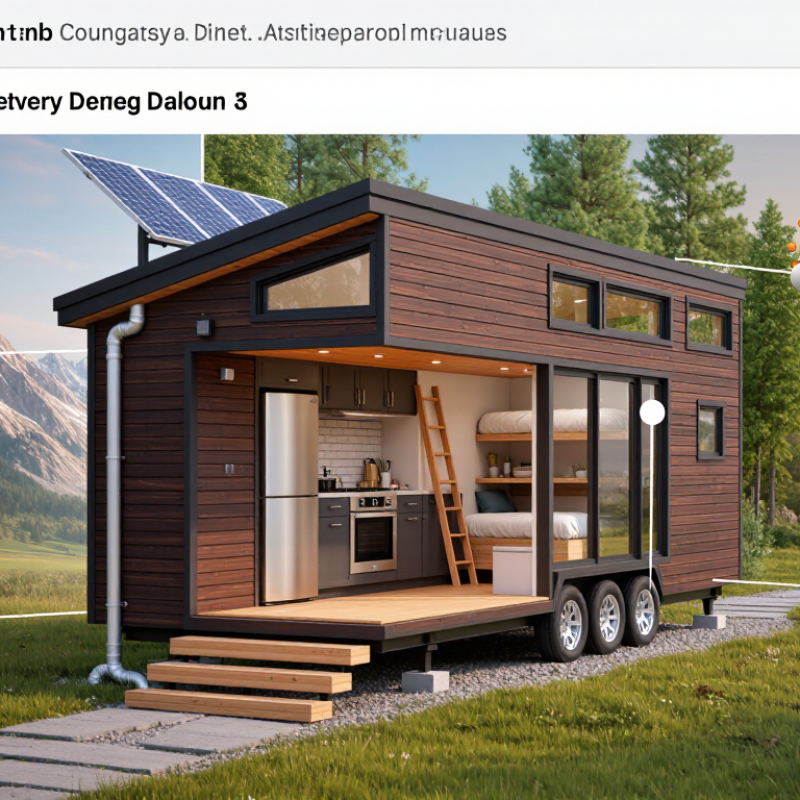
7 Tips for Buying Modern Tiny Homes Worldwide?

Define Your Tiny Home Needs, Budget, and Intended Use

Buying a modern tiny home worldwide starts with a clear definition of your needs. Decide whether it will serve as a full-time residence, guest space, work studio, or holiday retreat. Each purpose changes the ideal layout, insulation, storage, and utility systems. Measure your daily essentials, such as a bicycle, cooking equipment, or a washing machine. Small details become significant quickly.

Set a realistic budget before admiring polished designs. Include transport, foundation work, utility connections, interior fittings, taxes, and ongoing maintenance. A low purchase price can become expensive after delivery. Request itemized specifications, construction drawings, warranty terms, and material details. Ask who handles repairs across borders. Get answers in writing.

It helps to inspect a completed home before ordering one. Open cabinet doors, test water pressure, and notice how natural light moves through the rooms. Check ventilation around the bathroom and kitchen. Local climate matters: humid coastal regions need different moisture protection than cold mountain areas. Confirm that the home can meet local planning and building requirements. Rules vary widely. Do not assume mobility removes every approval requirement.

Be honest about your habits. A beautiful sleeping loft may become uncomfortable after several weeks. A compact kitchen may frustrate someone who cooks daily. Leave space for unexpected belongings. That part is easy to underestimate. Compare at least three detailed quotations, and keep a reserve for changes. Even careful plans can miss access problems, drainage needs, or delivery limits. Reconsider the design after a short trial stay, if possible.

Compare Global Tiny Home Designs, Sizes, and Building Standards

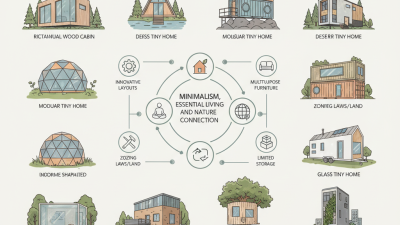
Modern tiny homes vary widely in design, size, and construction standards. Nordic models often use strong insulation, compact heating systems, and simple timber interiors. Mediterranean designs may prioritize shade, ventilation, and outdoor living. In humid regions, raised floors and moisture-resistant materials can matter more than extra insulation. Size also changes by location. A 20-square-meter home feels efficient, while a 40-square-meter layout allows a separate bedroom and workspace.

Check seven details before comparing homes. Verify the floor area, transport width, ceiling height, and storage capacity. Ask whether the structure is built for permanent living or occasional use. Review wind, snow, earthquake, and fire requirements for the intended site. Standards are not universal. A home approved in one country may need structural changes elsewhere. Electrical systems, plumbing connections, insulation values, and emergency exits deserve written confirmation.

Site planning is often underestimated. A narrow access road may prevent delivery, even when the home fits the plot. Local planning approval, foundation rules, wastewater systems, and utility connections should be checked before payment. Look for engineering drawings, material specifications, inspection records, and clear warranty terms. Photos can hide weak joints and poor drainage. No comparison table is perfect. I would leave room for revision, because climate data, local rules, and real construction quality may not match the brochure.

Modern Tiny Homes Worldwide: Transport Width Benchmarks

Transport width is a key design constraint for movable tiny homes. The figures below show commonly applied maximum vehicle or trailer widths in selected markets; local planning approval, road access, and building standards may impose additional requirements.

EU and UK rules commonly allow up to 2.55 m for road vehicles, while Australia and Japan commonly use a 2.50 m width limit. In the United States, 8 ft 6 in (2.59 m) is a widely used maximum width for highway transport without special oversize provisions. Always verify current national, state, or local regulations before selecting a tiny-home design.

Verify Land Rules, Planning Permits, and Local Zoning Requirements

A modern tiny home can look movable, but its legal status depends on the land beneath it. Ownership does not automatically grant permission to live there. Before paying a deposit, identify the planning authority, zoning category, and permitted residential use. Ask for written guidance about permanent placement, temporary occupation, and utility connections. Paperwork matters.

Check whether the home is classified as a vehicle, caravan, modular building, or permanent dwelling. Local definitions can change the required approvals. Some areas require planning permission before delivery. Others demand building permits after installation. Review setbacks, maximum height, road access, wastewater, electricity, and fire safety rules. A gravel driveway may not satisfy access standards. Neither does an informal septic plan.

Request current zoning maps and application checklists from official government sources. Confirm flood, heritage, conservation, and protected-land restrictions before signing a purchase contract. If the home crosses borders, verify transport dimensions, import documents, and local installation rules separately. Use a qualified local planner, surveyor, or solicitor when the regulations are unclear. I would not rely on a seller’s verbal assurance, even when the site looks suitable. The process can feel excessive. Yet a cheap plot can become expensive if approval is refused. Leave room for delays, revised drawings, and one mistaken assumption.

Assess Builders, Materials, Utilities, Transport, and Installation

7 Tips for Buying Modern Tiny Homes Worldwide

Assess the builder through completed projects, independent inspections, and written warranty terms. Ask who handles structural calculations for your climate. Review material certificates, moisture protection, insulation, and fire performance. UNEP’s 2023 Global Status Report states that buildings produced 37% of global energy-related and process emissions in 2022. Efficient materials matter, but low-carbon claims need evidence. A glossy finish proves little.

Map every utility before signing. Confirm electrical voltage, wastewater treatment, water pressure, ventilation, and heating requirements. The WHO/UNICEF Joint Monitoring Programme reported in 2023 that 2.2 billion people lacked safely managed drinking water in 2022. Local infrastructure cannot be assumed. Include service access panels. They prevent expensive repairs. Check appliance compatibility with the destination country. Small spaces punish poor planning.

Transport and installation deserve equal scrutiny. Obtain the home’s loaded dimensions, lifting points, axle limits, route survey, insurance, and delivery exclusions. The World Bank’s Logistics Performance Index 2023 shows major differences in customs, infrastructure, and shipment reliability between countries. Request a weatherproof installation sequence, foundation tolerances, anchoring details, and commissioning checklist. Inspect seals after heavy rain. Recheck the doors. Even experienced teams miss small alignment problems when schedules tighten. A useful buyer’s mistake is trusting a transport quote without confirming cranes, permits, storage, and site access. Ask for itemized costs and photographs from comparable installations.

Review Contracts, Warranties, Financing, Insurance, and Resale Factors

Buying a modern tiny home worldwide requires more than admiring clean lines and clever storage. Treat every promise as a detail to verify. Local building rules, transport limits, land ownership, and utility connections can change the real cost quickly. My practical mistake was trusting a friendly verbal assurance; written evidence is safer.

Tip 1: Review the contract slowly. Confirm delivery dates, payment stages, materials, installation duties, and cancellation terms. Tip 2: Check the warranty carefully. Ask who handles structural defects, water leaks, appliances, and labor costs. A short warranty may signal expensive repairs. Tip 3: Compare financing options. Tiny homes may not qualify for ordinary mortgages, especially when they are movable. Calculate interest, deposits, taxes, and transport charges. Get the repayment schedule in writing.

Tip 4: Arrange insurance before delivery. Confirm coverage for transit, storms, fire, theft, and public liability. Tip 5: Verify the seller’s experience through completed projects and independent references. Photos are useful, but documents are stronger. Tip 6: Ask an independent surveyor or construction professional to inspect the home. They may notice weak seals, poor ventilation, or overloaded electrical systems. Tip 7: Consider resale value honestly. Unusual layouts, limited certifications, or difficult relocation can narrow the future buyer pool. I would not assume a tiny home automatically gains value. Markets differ widely, and some buyers may prefer land-based property.

7 Tips for Buying Modern Tiny Homes Worldwide: Contracts, Warranties, Financing, Insurance, and Resale Factors

No. Buying Dimension What to Check Useful Benchmark or Typical Range Key Questions to Ask Risk-Reduction Action
1 Confirm Legal Use and Site Rules Verify zoning, planning permission, building-code compliance, utility connections, transport access, and whether the home is legally treated as a dwelling, vehicle, or movable structure. Rules vary by municipality
A movable home may still require a permanent-site permit, inspection, or foundation approval.
Can the home be occupied year-round at the intended address? Which authority issues the permit? Are minimum room sizes, parking, access, or energy rules applicable? Obtain written confirmation from the local planning or building authority before paying a non-refundable deposit.
2 Review the Purchase Contract Check the exact model specification, included appliances, materials, delivery terms, payment schedule, completion date, cancellation rights, change-order costs, title transfer, and dispute-resolution process. Deposit: commonly staged
Many construction contracts use milestone payments rather than one full upfront payment.
What happens if delivery is late? Which items are excluded? Is the deposit refundable? Who pays for design changes, storage, transport, and site preparation? Attach a detailed specification and inspection checklist to the signed contract. Avoid paying the full balance before final acceptance.
3 Compare Warranty Coverage Separate structural, weatherproofing, mechanical, electrical, plumbing, appliances, windows, finishes, and installation warranties. Check exclusions for owner modifications and coastal or extreme climates. Coverage differs by component
Structural and product warranties often have different durations and claim procedures.
Is labor included? Who handles warranty work in another country? Are transport and removal costs covered? What maintenance records are required? Request warranty documents before purchase and record serial numbers, photographs, commissioning reports, and maintenance dates.
4 Calculate the Complete Delivered Cost Include the home price plus taxes, customs duties, shipping, road permits, crane or unloading fees, foundation or anchoring, utility connections, insurance, inspections, and local professional fees. Contingency: 10–20%
A contingency allowance is commonly used for site conditions, transport changes, and unexpected installation work.
Is the quoted price delivered to the site or only built at the factory? Are import taxes included? Is the price fixed or adjustable for materials and currency movements? Prepare a total-cost worksheet in the payment currency and include a separate contingency reserve.
5 Assess Financing and Payment Risk Compare personal loans, specialist home loans, construction finance, asset-backed lending, and cash payment requirements. Confirm whether the lender accepts a movable or non-standard dwelling. Loan terms depend on classification
Homes without permanent land ownership or conventional registration may have fewer financing options.
Is the loan secured against the home, land, or another asset? When do repayments begin? What fees apply for early repayment, currency conversion, or late delivery? Secure conditional approval before signing and link major payments to independently verified construction milestones.
6 Arrange Appropriate Insurance Check cover for transit, loading and unloading, installation, fire, theft, storm, flood, earthquake, liability, contents, and vacancy. Confirm whether the policy covers international movement. Coverage depends on location and use
A home used as a permanent residence may require different insurance from a trailer or seasonal unit.
Is the structure classified as a building, vehicle, or manufactured home? Are flood zones, earthquakes, short-term rentals, and owner occupation covered? What is the excess or deductible? Obtain written confirmation of coverage before transport and disclose the home’s construction type and intended use accurately.
7 Evaluate Durability and Resale Potential Inspect the chassis or foundation, moisture protection, insulation, ventilation, roof, windows, plumbing, electrical system, energy performance, documentation, and availability of replacement parts. Resale is highly location-dependent
Legal siting, transferable permits, service records, adaptable layouts, and low operating costs generally improve marketability.
Can ownership be transferred easily? Is the home approved for the local market? Are technical drawings, certificates, and maintenance records available? Can it be relocated economically? Choose a standard, well-documented design and keep the original contract, invoices, approvals, inspection reports, and service history for future buyers.
Important: Planning rules, taxes, consumer protections, financing practices, insurance availability, and building standards differ by country and local authority. Verify the requirements for the exact purchase location, installation site, and intended use with qualified local professionals.
General guidance only; figures and practices are indicative rather than universal.