How to Choose the Best Tiny Mobile Homes for Sale
Choosing among tiny mobile homes for sale is not just a search for the lowest price or smallest floor plan. It means matching a home to real routines: where muddy boots go, how groceries reach the kitchen, and whether two people can work comfortably at the same table. Small details matter. A narrow doorway or poorly placed storage can become frustrating after move-in.
Architect and small-house design expert Sarah Susanka is often quoted as saying, “It’s not about having less. It’s about making room for more of what matters.” That idea offers a useful starting point, though every buyer must decide what matters in daily life. A bright window may be worth more than an extra cabinet. Maybe. Measure carefully.
This guide explores how to compare layouts, construction quality, insulation, mobility features, and total ownership costs. Look closely at door seals, window frames, storage access, and the feel of the floor underfoot. Ask sellers for written specifications and warranty details, then compare them with an independent inspection where appropriate. Photos can make a compact home look spacious; they cannot show how a drawer sticks or how cold the floor feels. No checklist removes every uncertainty. Still, careful questions can reveal whether a model fits your needs, budget, and intended use—not merely a polished listing.
Define Your Space, Budget, and Lifestyle Requirements
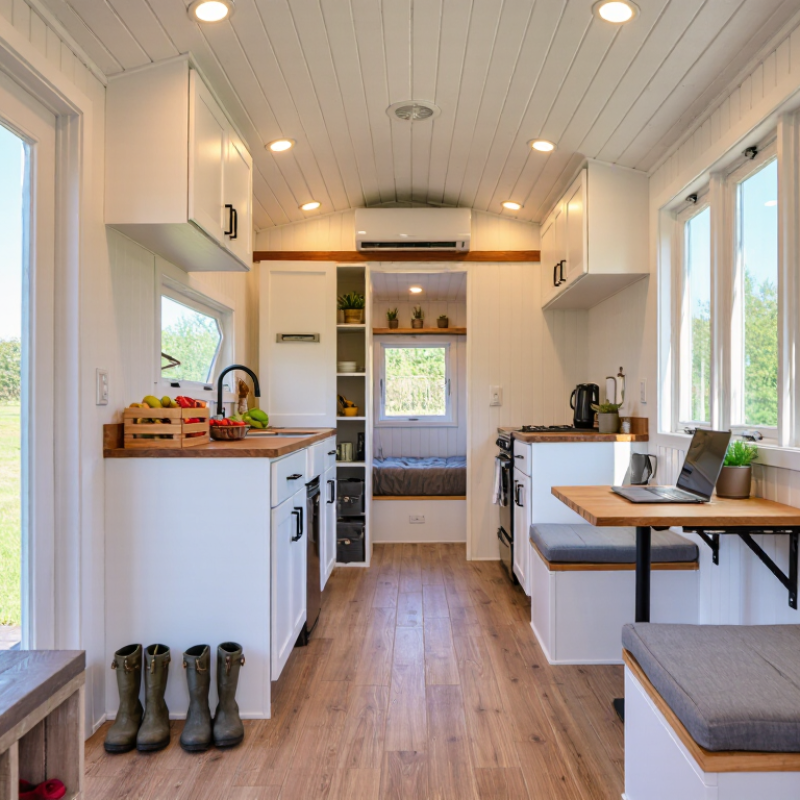
Start with the space you genuinely need, not the room count in a listing. Write down who will live there, where belongings will go, and which activities need dedicated space. Measure everyday items, too. A full-size mattress, two winter coats, or a dog’s bed can change how a compact layout feels. Imagine a rainy morning indoors. Could two people move around comfortably? Small details matter.
Set a complete budget before comparing homes. Include delivery, site preparation, utility connections, insurance, and routine maintenance, not just the purchase price. Ask what is included and request written estimates for uncertain costs. Keep a reserve for repairs; even a well-built home can need attention. That part is easy to overlook. If costs feel tight on paper, reconsider the size or features before committing.
Then match the home to your habits and location. Frequent travel may favor a lighter, simpler setup, while remote work may require a quiet desk and reliable internet. Check access to water, power, storage, and parking at the intended site. A floor plan can look roomy online but feel cramped in person. Walk through a similar layout if possible, and revise your wish list when real measurements disagree with your first impression.
| Home Type | Typical Interior Size | Typical Home-Only Price (USD) | Mobility | Utilities and Site Needs | Best Suited For | Key Checks Before Buying |
|---|---|---|---|---|---|---|
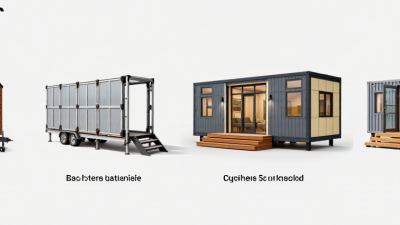
| Tiny house on wheels | About 100–400 sq. ft. | About $30,000–$100,000 | Road-transportable when built and loaded within applicable towing limits; frequent moves require planning. | May connect to standard hookups or use systems such as water tanks, batteries, and composting toilets. Parking rules vary by location. | Buyers who want a compact home and the option to relocate occasionally. | Confirm loaded weight, trailer condition, road dimensions, insurance, zoning, and legal parking options. |
| Park model home | Often up to about 400 sq. ft. of interior space | About $50,000–$150,000 | Transportable by a professional hauler, but generally intended to stay in one location for extended periods. | Usually designed for utility hookups at a designated site or park; site fees and connection costs may apply. | Seasonal or extended stays in a park, campground, or permitted private site. | Check local occupancy rules, park-model classification, transport costs, hookup availability, and recurring site fees. |
| Small manufactured home | Commonly about 500–1,000 sq. ft. for compact models | About $60,000–$120,000 for the home alone | Delivered in one or more sections and installed at a site; not intended for routine relocation. | Typically requires a prepared site, foundation or approved support system, and connections to utilities or approved alternatives. | Buyers prioritizing more living space and a long-term residential setup. | Budget separately for land, foundation, delivery, permits, utility connections, and site preparation. |
| Travel trailer or compact RV | Often about 100–300 sq. ft. | About $20,000–$80,000 for many new compact models; used prices vary widely | Designed for towing and travel, subject to vehicle capacity and road requirements. | Often uses RV hookups at campgrounds; tanks and onboard systems support limited off-grid stays. | Buyers who plan to travel regularly or want a recreational vehicle rather than a permanent home. | Verify tow-vehicle capacity, loaded weight, maintenance history, storage, campground access, and insurance. |
| Custom-built tiny home on a foundation | Commonly about 200–600 sq. ft. | About $50,000–$150,000 or more, depending on design and finish | Stationary after installation; relocation is generally impractical. | Requires a compliant site and connections or approved systems for water, wastewater, power, and other services. | Buyers who want a small, tailored home and have a suitable permitted site. | Confirm building-code pathway, minimum dwelling-size rules, permits, site costs, and contractor scope. |
| Price note: These broad U.S. planning ranges are estimates, not quotes. Actual prices depend on size, condition, construction, region, and included equipment. Land, delivery, taxes, permits, site preparation, utility connections, and ongoing rent or park fees may be additional. Confirm local zoning, building rules, and vehicle or towing requirements before purchase. | ||||||