China Top 10 Tiny House on Wheels Manufacturers
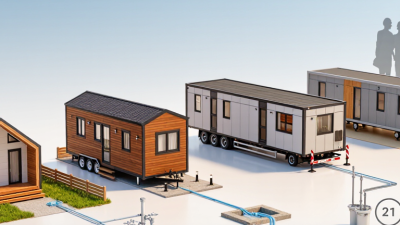
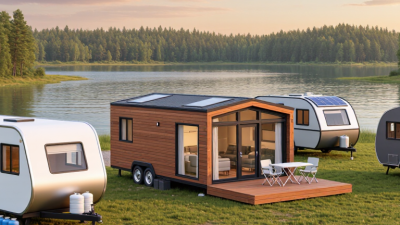
A tiny house on wheels can look simple in a photograph: cedar siding, broad windows, and a neat porch. Yet its real quality depends on details that are less visible, including frame construction, insulation, wiring, plumbing, and road-ready design. China’s manufacturers offer varied approaches, from compact cabins for weekend use to larger models with practical kitchens and sleeping lofts.
This introduction to China Top 10 Tiny House on Wheels Manufacturers is intended to help readers compare suppliers with clearer expectations. It considers useful questions: Does a company explain its materials and production process? Can buyers review floor plans, customization options, and warranty terms? Are specifications detailed enough to compare models fairly? These points matter more than polished product photos. No shortlist is perfect.
Company information, product ranges, and export experience can change, so readers should confirm current details directly with each manufacturer. Request technical drawings, clarify what is included in the quoted price, and ask how a model is prepared for transport. A beautiful interior may still feel cramped after a rainy week or a long drive. That deserves a closer look. This guide provides a starting point, not a substitute for independent checks. By weighing craftsmanship, communication, and practical fit together, readers can identify manufacturers worth contacting and avoid choosing on appearance alone.
Understanding China’s Tiny House on Wheels Industry
China Top 10 Tiny House on Wheels Manufacturers
Understanding China’s Tiny House on Wheels Industry
China’s tiny-house-on-wheels sector blends light construction, vehicle engineering, and compact interior design. Grand View Research’s Tiny Homes Market report estimated the global market at USD 5.8 billion in 2023, with projected growth through 2030. This figure covers tiny homes broadly; it is not a count of Chinese wheeled units. That distinction matters. Industry reports may group towable cabins, recreational vehicles, and stationary modular homes together, making comparisons difficult.
For buyers assessing Chinese manufacturers, the details matter more than polished renderings. Check the chassis specification, axle rating, insulation thickness, wiring documentation, and access to plumbing connections. A compact kitchen may look practical in a photo, yet door clearance and storage depth can feel very different in daily use. Ask for actual production photographs and written material specifications. Destination requirements for towing and road use also vary, so confirm suitability before ordering.
Tips: Request a dimensioned floor plan and a completed-unit inspection. Check seals around windows and roof joints. A glossy render proves little. Even well-documented specifications cannot replace checking the finished build in person.
How Tiny Houses on Wheels Are Designed and Manufactured
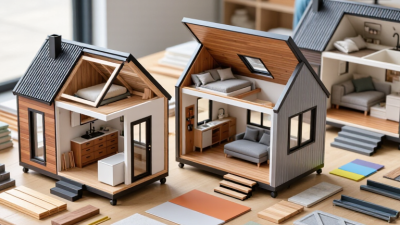
Designing a tiny house on wheels begins with the chassis, not the sofa. Its dimensions, axle position, and load capacity shape every room. Designers map heavy items, such as water tanks and appliances, to help distribute weight evenly. Every kilogram matters. Window placement also affects daylight, ventilation, and wall strength. Insulation, vapor control, and sealed joints help manage changing temperatures and moisture.
Manufacturing turns those plans into a sequence of checks. Builders assemble the frame, inspect its alignment, and secure the floor before adding walls. Wiring and plumbing are routed through accessible spaces, then tested before finishes hide them. This detail matters later. A leaking connection behind a cabinet can be difficult to reach. Windows, doors, and roof seams need careful sealing, while cabinets and fixtures require secure fastening for travel.
The final fit-out balances comfort with movement. A wide countertop may feel useful, but it adds weight and can narrow a walkway. Small compromises are unavoidable. Even a neat drawing can miss awkward corners or storage needs. A practical review of clearances, weight distribution, and system access can catch problems before the house is finished. Road testing and a final inspection help reveal rattles, loose fittings, or drafts that workshop checks may overlook.
Criteria for Identifying Leading Chinese Manufacturers
When evaluating Chinese tiny house on wheels manufacturers, look beyond polished renderings. Strong candidates can explain their frame materials, welding process, insulation layers, and axle capacity in plain language. Ask for drawings that match the finished unit, not just a standard model sheet. A mismatch may be small, but it can complicate installation or transport.
Manufacturing experience matters most when it is visible. Request dated production photos, sample inspection records, and references for comparable builds. Check how the company handles changes, from window placement to plumbing access. A clear quality-control process should identify who inspects each stage and how defects are corrected. If answers stay vague, keep comparing. Measure the details. A factory visit or live video walk-through can reveal workshop organization, storage conditions, and actual workmanship. No single certificate proves every unit is well made, so compare documents with physical evidence.
Tips: Ask for a written specification covering dimensions, materials, weight, finish, and included equipment. Confirm whether sample units reflect current production methods. Keep a record of promised changes; details can get lost between sales and the workshop. Even careful checks cannot remove every risk, and I would not treat a tidy brochure as proof of consistent quality.
China’s Tiny House on Wheels Manufacturers: Evaluation Criteria
Suggested weighting for assessing manufacturers—not a company ranking or measured market survey.
The criteria reflect practical buyer considerations: road and regulatory compliance, structural and fire safety, trailer and towing performance, insulation, build quality, customization, and after-sales support. Percentages are editorial recommendations and total 100%.
Profiles of China’s Top 10 Tiny House on Wheels Manufacturers
Profiles of China’s top ten tiny house on wheels manufacturers should compare capabilities, not just exterior styling. Rankings can change with production scale, export experience, and quality controls. Grand View Research estimated the global tiny homes market at US$5.8 billion in 2023, with projected annual growth of 4.8% through 2030. These figures cover tiny homes broadly, not wheel-based units alone. The RV Industry Association reported 313,174 U.S. recreational vehicle shipments in 2023. That is a useful demand signal, not a direct count of tiny houses on wheels. Demand is real.
A practical profile checks the chassis, insulation layers, and load distribution before reviewing decorative finishes. Ask whether the builder documents welding inspections, water-leak tests, and electrical checks. Small details matter. Door seals, for example, can reveal more about workmanship than polished showroom photos. Compare floor plans, appliance specifications, and stated vehicle weights across the ten profiles. Some published specifications may be incomplete; that deserves scrutiny, not guesswork.
Export readiness also separates manufacturers. Look for clear packing procedures, spare-parts support, and written warranty terms. Request photos of finished units, not only digital renderings. Factory visits or independent inspections can help verify production claims. A strong profile should explain what is tested, what is customized, and what remains uncertain. These distinctions give buyers a more grounded basis for comparing China’s manufacturers.
Comparing Manufacturers by Design, Quality, and Customization
When comparing the top 10 tiny house on wheels manufacturers, look beyond attractive exterior photos. A useful design makes everyday tasks simple. Check whether the kitchen allows two people to pass, whether windows bring daylight to the sleeping area, and whether storage stays reachable without moving furniture. A clever loft can save floor space, but steep ladders may become tiring. Small details matter.
Quality is harder to judge from a showroom visit or online gallery alone. Ask how wall joints, roof edges, and plumbing access are inspected. Request clear specifications for insulation, windows, cabinetry, and chassis components. If possible, view a completed unit and inspect its doors, drawers, and finish seams. Customization should solve real needs, not just add options. Extra cabinetry, for example, may reduce usable counter space. I would not assume that a longer options list means better workmanship; that is easy to get wrong.
Tips: Bring a room-by-room checklist and confirm each change in writing. Ask about lead times, warranty coverage, and what happens when a chosen material is unavailable. A simple layout may serve you better than a perfect-looking rendering.