2026 Top Small Home Builders for Global Buyers
Buying a compact home across borders demands more than attractive renders and low headline prices. In 2026, global buyers need small home builders with proven processes, transparent costs, and realistic delivery schedules. This guide introduces builders known for efficient designs, practical materials, and experience serving different climates and customer needs.
Each profile considers construction quality, customization, transport planning, warranty terms, and communication standards. We also look for documented projects, qualified teams, independent reviews, and clear responses to technical questions. A builder should explain insulation, foundations, utilities, maintenance, and local approval requirements in plain language. Details matter. A coastal home may need corrosion-resistant fittings, while a mountain cabin may require stronger insulation and snow-load planning. Shipping can also change the final budget significantly.
Still, no ranking is perfect. Market conditions change, and a builder praised in one country may perform differently elsewhere. Currency movements, import procedures, site access, and regional building rules can reshape the project. Buyers should verify current credentials and request recent references before signing anything. That step is easy to skip.
This overview is designed as a practical starting point, not a substitute for professional advice. It highlights small home builders that appear promising for international projects, while acknowledging the questions that remain. Careful comparison protects both your budget and your expectations. A beautiful showroom model is only the beginning.
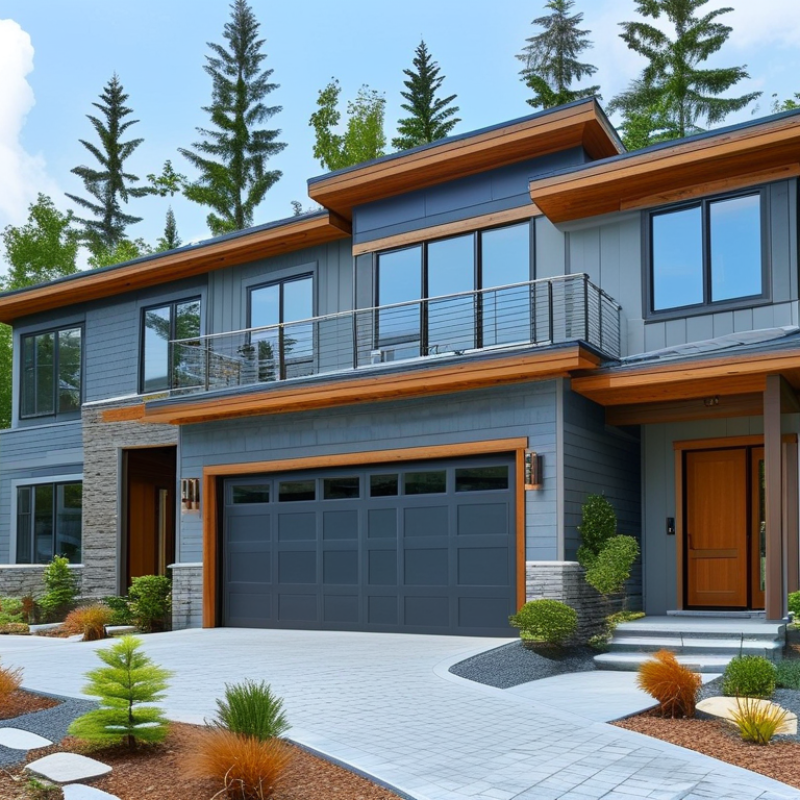
Defining Small Home Builders and Their Role in Global Housing
Small home builders are usually independent or regional firms with limited annual output and close client involvement. There is no universal size threshold. In practice, their value lies in direct communication, flexible planning, and local building knowledge.
For global buyers, this structure can make unfamiliar projects easier to understand. A small builder may explain soil conditions, drainage, insulation, and seasonal weather in practical terms. They often adapt layouts for different family routines, accessibility needs, or energy goals. On a site visit, details matter: window placement, roof overhangs, storage depth, and the distance to utilities can affect daily comfort. Clear records also matter, including permits, material specifications, warranties, and construction stages.
Small teams can support housing diversity in places where large developments overlook unusual plots or modest budgets. They may restore older buildings, add compact homes, or design climate-sensitive houses for coastal, rural, or high-altitude settings. Yet small does not always mean better. Capacity can be limited, schedules may shift, and one missing specialist can slow a project. Buyers should verify insurance, references, contract terms, payment milestones, and independent inspections. Remote purchasing adds risk. Translation gaps and different construction standards can create expensive misunderstandings. A careful builder welcomes questions, but trust should still be tested through documents and site evidence. Some decisions may remain imperfect, especially when local housing data is incomplete.
Key Criteria for Evaluating Builders in 2026
For global buyers, choosing a small home builder in 2026 requires more than attractive designs. Evaluate proven experience with similar projects, local building permits, safety records, and independently verified references. A reliable builder should explain who manages construction, which professionals inspect the work, and how quality problems are corrected. Ask for current insurance documents and a clear contract covering materials, deadlines, payment stages, and currency risks.
Tips: Request a detailed specification before comparing prices. Visit a completed property, if possible. Speak with two recent clients, not only selected testimonials. Confirm the builder’s warranty process in writing, including response times and repair responsibilities. Check whether the team understands local climate, soil conditions, energy standards, and accessibility needs. Details matter.
Communication is another serious test. Can the builder provide regular photo updates, translated documents, and honest cost changes? A professional answer may include uncertainty, but vague promises should raise concern. No checklist is perfect. Design changes, weather, and supply delays can still affect delivery. Buyers should use an independent surveyor or lawyer familiar with local construction rules. That extra expense may feel unnecessary at first. It can prevent expensive misunderstandings later. A smaller company may offer personal attention, yet limited staffing can create delays, so verify backup arrangements before signing.
2026 Top Small Home Builders for Global Buyers - Key Criteria for Evaluating Builders in 2026
| Evaluation Dimension | Measurable Indicator | Recommended 2026 Benchmark | Documents or Evidence to Request | Suggested Weight | Key Buyer Risk |
|---|---|---|---|---|---|
| Legal Registration and Licensing | Valid registration, construction license, and tax status in the project jurisdiction | All licenses valid before contract signing and independently verifiable through official government records | License number, business registration, tax certificate, local authority verification | 15% | Unlicensed work, unenforceable contracts, or difficulty obtaining permits |
| Relevant Project Experience | Completed small-home projects with comparable climate, site conditions, and construction method | At least three completed and independently verifiable projects comparable to the proposed home | Project addresses, completion dates, client references, completion certificates, site photographs | 10% | Designs that appear suitable on paper but perform poorly in local conditions |
| Transparent Pricing | Percentage of total cost covered by a detailed, itemized quotation | Written specification covering labor, materials, permits, utility connections, taxes, transport, and exclusions | Itemized bill of quantities, inclusions and exclusions schedule, change-order procedure | 12% | Low initial price followed by significant variations and hidden costs |
| Payment Protection | Payment schedule linked to independently verifiable construction milestones | No large unexplained upfront payment; each installment tied to completed work and inspection | Escrow or client-account terms, milestone schedule, receipts, bank details, refund clauses | 12% | Loss of funds if construction stops or the builder becomes insolvent |
| Contract Quality and Consumer Protection | Clarity of scope, completion date, dispute process, cancellation rights, and liability provisions | Contract reviewed by an independent lawyer familiar with local construction law before signing | Full contract, technical drawings, specifications, variation rules, dispute-resolution clause | 12% | Ambiguous obligations, weak remedies, or disputes across borders |
| Quality Assurance and Inspection | Use of documented inspections and independent progress checks | Independent inspections at foundation, structural frame, waterproofing, services, and practical completion stages | Inspection reports, test certificates, material specifications, snagging process | 10% | Defects concealed before the buyer or remote representative can inspect them |
| Energy Efficiency | Thermal performance, air tightness, heating and cooling demand, and renewable-readiness | Compliance with the applicable local energy code plus documented insulation, glazing, ventilation, and equipment specifications | Energy calculations, product data sheets, commissioning records, energy certificate where required | 8% | Higher utility bills, overheating, condensation, and lower resale appeal |
| Climate and Site Resilience | Design response to flood, wind, seismic, wildfire, heat, moisture, and soil conditions | Site-specific assessment and design compliance with all applicable structural and hazard requirements | Survey, geotechnical report, flood-risk information, structural calculations, drainage design | 8% | Water damage, foundation movement, insurance limitations, or unsafe occupancy |
| Warranty and Defect Response | Written coverage for structural elements, systems, finishes, and post-handover response times | Clearly separated warranty periods with a documented process for reporting and correcting defects | Warranty certificate, exclusions, claims process, response-time commitment, retention terms | 8% | Unresolved defects, unclear exclusions, or expensive post-handover repairs |
| Remote-Buyer Communication | Frequency, language, format, and response time of project updates | Scheduled written updates with dated photographs, cost status, milestone progress, and action items | Communication plan, project dashboard or reports, named contact, escalation procedure | 5% | Delayed decisions, unauthorized changes, and limited visibility from overseas |
| Handover Documentation | Completeness of records required for safe operation, resale, and future maintenance | Complete handover pack supplied before final payment or occupancy | Occupancy approval, as-built drawings, manuals, certificates, warranties, keys, and utility records | 5% | Difficult maintenance, delayed occupancy, or problems during resale |
| After-Sales and Local Support | Availability of local service providers and a defined post-completion contact | Named after-sales contact and documented process for urgent and routine maintenance | Service agreement, maintenance schedule, emergency contact, local contractor network | 3% | Long response times and higher maintenance costs for overseas owners |
Top Small Home Builders Serving International Buyers
In 2026, small home builders are attracting global buyers who want personal guidance and manageable projects. Their strongest advantage is direct communication, not flashy scale. A buyer may speak with the project lead, review plans, and request changes before construction begins. This matters when distance, time zones, and unfamiliar building customs create uncertainty. Experienced builders should explain local permits, land conditions, insurance, taxes, and utility connections clearly. They should also identify decisions requiring licensed local professionals.
International service begins with a practical remote process. Video meetings, translated specifications, itemized budgets, and shared construction schedules can reduce costly misunderstandings. A reliable builder offers milestone photos, independent inspections, and written records of approved changes. Ask how materials are sourced and what happens when shipping is delayed. Ask who controls the site keys. Small details matter. A coastal home may need corrosion-resistant fittings, while a mountain property may require stronger drainage and winter access.
Buyers should verify completed projects, client references, contractor licenses, and complaint histories through relevant local authorities. Currency changes can affect the final cost, even when the design remains fixed. Contracts should define payment stages, warranties, completion standards, and dispute procedures under applicable law. Some small builders are excellent craftspeople but weak administrators. That gap can become expensive. A thoughtful buyer allows room for weather delays and keeps an independent adviser involved. Perfection is unlikely. Clear evidence is more valuable than confident promises.
Comparing Design, Cost, Quality, and Delivery Options
Global buyers often compare small home builders by floor plans first, but design quality deserves closer attention. A compact home should use daylight, storage, and circulation carefully. Look for window placement, ceiling height, kitchen workflow, and accessible entry points. Ask whether plans can adapt to local climate, family routines, and future maintenance. A beautiful rendering means little if furniture blocks the hallway.
Cost comparisons should include more than the advertised construction price. Request itemized figures for foundations, transport, permits, utilities, taxes, site preparation, and inspections. Currency changes can also affect the final budget. Fixed-price contracts offer clarity, but exclusions need careful review. Keep a sensible contingency fund. Small homes can still produce large surprises.
Quality depends on materials, workmanship, and documented control procedures. Ask for material specifications, structural calculations, warranties, and independent inspection rights. Review completed projects, not only online images. Delivery options may range from assembled construction to factory-made modules shipped in sections. Confirm packaging, customs responsibilities, installation supervision, and replacement procedures for damaged parts. Delivery dates should include weather and approval delays. They often do not.
A remote purchase requires reliable communication. Use written milestones, progress photographs, and payment stages linked to verified work. Local professionals can check soil conditions and building compliance before construction begins. No comparison is perfect. Some buyers, including me, may underestimate how strongly local labor and transport affect convenience. That uncertainty should remain visible in the decision.
2026 Top Small Home Builders for Global Buyers
Comparing design, cost, quality, and delivery options across common small-home construction models.
The chart compares typical international market ranges for small-home construction models. Factory-built modular homes generally provide stronger quality control and shorter on-site installation periods, while panelized systems offer a balance between design flexibility and delivery efficiency. Kit homes usually have the lowest entry cost but require more local labor, project management, and on-site coordination. Actual pricing and delivery times vary by country, foundation requirements, permits, shipping distance, utilities, and finish level.
Essential Steps for Choosing a Builder Abroad
2026 Top Small Home Builders for Global Buyers
Essential Steps for Choosing a Builder Abroad
Choosing a small home builder abroad requires more than comparing glossy portfolios. Study completed homes, not only digital renderings. Ask for addresses of recent projects and inspect their finishes, drainage, windows, and surrounding access. A reliable builder should explain material choices, construction stages, payment milestones, and realistic completion risks in clear language. Request written quotations with itemized labor, materials, permits, transport, and site preparation. Vague costs often become expensive surprises.
Tips: Speak with at least two former clients. Visit one active site, if possible. Confirm who manages local approvals. Use an independent surveyor, architect, or engineer before signing. Ask how weather, soil, water supply, and electricity affect the design. Keep important communication in writing. Short answers are warning signs.
Cross-border building also demands careful verification of ownership rights, zoning rules, insurance, and dispute procedures. Requirements differ widely, even between nearby regions. Consult qualified local professionals rather than relying on advice from online forums. Check the builder’s registration, financial history, safety practices, and subcontractor arrangements through dependable local sources. A small company may offer personal attention, but limited staffing can delay work when problems appear. No checklist is perfect. I would still leave room for unexpected repairs, design changes, and cultural misunderstandings. Choose a builder who admits limitations, documents decisions, and responds calmly when plans need revision.
Related Posts
-
2025 Guide: How to Find Affordable Tiny Homes for Sustainable Living
-
Top Portable Tiny House Designs for Sustainable Living Options?
-
What is a Portable Tiny House and Why You Should Consider It?
-
How to Choose the Best Mobile Tiny House for Your Lifestyle?
-
Top Tips for Choosing Portable Tiny Homes for Your Needs?
-

2026 How to Choose the Best Tiny House on Wheels?