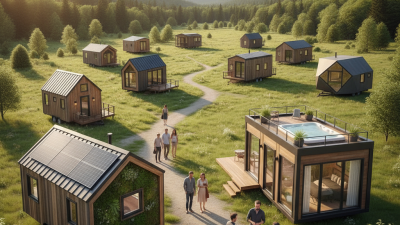
What Are the Top Tiny Homes on Wheels in China?
Tiny homes on wheels are drawing interest across China, where compact living meets changing travel habits and limited space. But the best choice depends on more than appearance. A bright timber interior may look inviting in photos, yet axle capacity, insulation, water storage, and towing compatibility matter just as much. Small details count.
This guide explores the top tiny homes on wheels available in China, comparing practical layouts, materials, comfort, and everyday usability. Some models prioritize a fold-out bed and a compact kitchenette; others offer larger windows, built-in storage, or a small bathroom. Each feature brings trade-offs. More fittings can mean extra weight, while generous glazing may affect temperature control. That deserves a closer look.
Rather than treating “top” as a universal ranking, the overview considers who each design may suit and what buyers should verify with manufacturers. Specifications, after-sales support, customization options, and transport requirements can vary between suppliers. Ask for current measurements and written details. Do not rely on polished images alone.
The category is still evolving, and product information may be incomplete or change over time. That makes comparison useful, but not perfect. A careful shortlist can help readers spot promising tiny homes on wheels and ask better questions before making a decision.
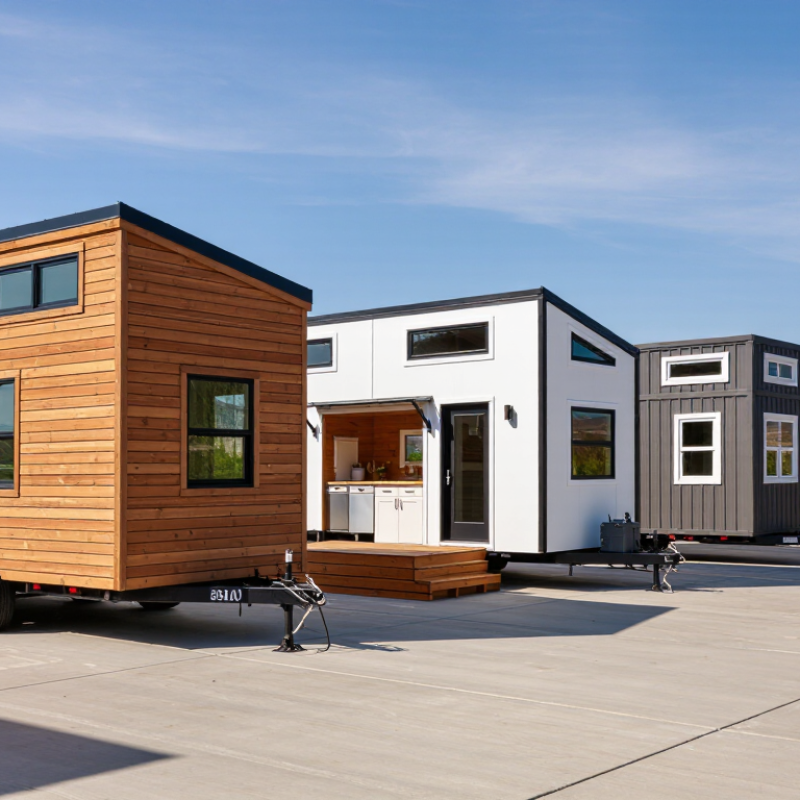
How Tiny Homes on Wheels Are Defined in China
In China, “tiny home on wheels” is usually a descriptive phrase, not one clear official category. The key question is what the unit is built and registered to do. A compact motorhome has an engine and is designed for travel. A towable caravan depends on a separate vehicle. A small cabin on a trailer may look similar, but appearance alone does not establish its road status.
Details matter. Check the chassis, vehicle documents, dimensions, weight, and stated use. A travel-ready unit needs suitable road equipment, secure fixtures, and safe weight distribution. For example, a kitchen cabinet must stay firmly fixed when the vehicle moves. A parked unit may offer more space, but it should not be assumed suitable for public roads. The boundary can be blurry.
Local requirements and practical access can vary, so buyers should confirm current registration and inspection expectations with the relevant authorities before purchasing. Ask for written specifications and verify that the documents match the actual unit. Then inspect the basics: braking, tires, ventilation, water storage, and electrical protection. Small details count. China’s roads, climate, and campsite facilities also shape what feels usable. A beautiful interior is not enough; I would still question any listing that leaves its weight or registration status unclear.
What Are the Top Tiny Homes on Wheels in China? — How Tiny Homes on Wheels Are Defined in China
China does not have one universal legal vehicle category called a “tiny home on wheels.” In practice, the term may describe a road-approved caravan or recreational vehicle, or a movable structure built on a trailer chassis. The formats below are practical examples, not an official ranking or a statement of market share. Size ranges are indicative design ranges, not legal limits or certification specifications.
| Rank | Format | Indicative body size | How it is typically used | Key point in China |
|---|---|---|---|---|
| 1 | Compact travel trailer | About 3–5 m long; commonly designed for 2–3 people | Short trips, weekend travel, and occasional overnight stays | For public-road use, the trailer and towing setup need to meet applicable vehicle requirements. A compact size alone does not make a trailer road-legal. |
| 2 | Family travel trailer | About 5–7 m long; often arranged for 3–5 people | Longer trips, with more sleeping and storage space than a compact trailer | Its greater size and mass make the towing vehicle, trailer specifications, registration, and permitted combination especially important to check. |
| 3 | Expandable or pop-top trailer | About 3–6 m long; the living area expands when parked | Travelers seeking a smaller towing footprint with more interior room at a campsite | Moving sections must be secured for travel. Roadworthiness depends on the vehicle’s approved configuration, not just its parked dimensions. |
| 4 | Lightweight utility-trailer conversion | About 2.5–4.5 m long; layout and weight vary widely | Simple, compact accommodation or a custom project for private land and campsites | A converted trailer is not automatically an approved caravan. A home-built unit may be unsuitable for public roads unless it satisfies the relevant approval and registration requirements. |
| 5 | Truck-based compact motorhome | About 4.5–7 m long; living space is integrated with the vehicle | Travel where a self-propelled vehicle is preferred over a separately towed trailer | It is generally treated as a motor vehicle rather than a trailer home. Its vehicle classification, registration, driving requirements, and approved specifications matter. |
| 6 | Stationary tiny home on a trailer chassis | Often about 4–8 m long; dimensions vary by design | Moveable accommodation on private land or at a designated site | Being mounted on wheels does not by itself make a residential structure road-legal. It may need transport as cargo rather than be towed as a registered recreational vehicle. |
| — | How the term is defined in practice | No single nationwide size threshold defines a “tiny home on wheels” | The phrase usually describes a small mobile living space, either towed or self-propelled | For road use, the decisive issue is the vehicle’s official classification and compliance. Check applicable registration, roadworthiness, towing, and driver-licence requirements before travel. A towed living trailer should not be treated as passenger seating while in motion. |
Key Features of China’s Leading Tiny Homes on Wheels
China’s strongest tiny homes on wheels combine a road-ready chassis with practical living features. A stable frame matters more than a glossy exterior. Look for properly rated axles, dependable brakes, and secure connections between the body and trailer. These details affect towing comfort and long-term wear. Small details count.
Inside, efficient layouts make limited space feel usable. A loft can free floor area for a compact kitchen or worktable, while wide windows bring daylight into narrow rooms. Good insulation, sealed window frames, and controlled ventilation help manage changing temperatures and damp air. In colder regions, check how floors and water lines are protected. A beautiful interior is not enough.
Off-grid options often include rooftop solar panels, battery storage, and fresh-water tanks. Their value depends on realistic capacity, not impressive-looking numbers. Ask how many appliances can run at once and how the system performs on cloudy days. Inspect cabinet latches, plumbing joints, and access panels before choosing a model. These are easy to overlook. No design is perfect: extra storage can add weight, and larger windows may increase heat loss. A careful buyer should compare the home’s actual towing weight with the towing vehicle’s rated capacity.
Top Tiny Homes on Wheels in China: Key Features by Typical Layout
These representative specifications reflect common planning ranges for Chinese tiny homes on wheels. Larger layouts generally provide more sleeping capacity, while compact studios prioritize mobility, lower weight, and efficient use of space.
Popular Tiny Home Styles and Their Uses
What Are the Top Tiny Homes on Wheels in China?
Popular tiny home styles serve different needs across China. Expandable homes are practical for short stays and temporary guest rooms. Their folded width supports easier transport through narrow rural roads. Once opened, they can provide a bedroom, compact kitchen, and small bathroom. Cabin-style homes offer a warmer visual character, often using wood-effect walls and wide windows. They suit countryside tourism, garden retreats, and quiet weekend use. Some owners prefer a compact trailer with a raised sleeping area. This layout saves floor space for dining, storage, or remote work.
Mobile office homes are another useful option. They can support construction supervision, farm management, or roadside service work. I would not treat every model as a permanent residence. Insulation, ventilation, water storage, and winter heating vary sharply. A beautiful interior can still feel uncomfortable after several rainy days. Weight distribution also matters. Poor loading may affect towing stability and tire wear. Local road access, parking permission, and utility connections should be checked before purchase.
Tips: Measure the towing route, not only the destination. Check door clearance, turning space, and bridge limits. Ask for tested insulation values and electrical specifications. Confirm whether the chassis, windows, and plumbing suit the local climate. A small home should match its use, rather than imitate a larger house. Cheap storage can become frustrating quickly. Keep a repair budget for seals, wheels, and plumbing.
How to Compare Tiny Homes on Wheels in China
Comparing tiny homes on wheels in China requires more than viewing attractive photos. Start with the intended route, climate, and daily use. A coastal home needs strong moisture control, while a northern unit needs reliable insulation and pipe protection. Measure twice.
Check the chassis, axle rating, wheel clearance, and connection points beneath the floor. These details affect stability, towing safety, and long-term repair costs. Ask for material specifications, load calculations, and documented testing from qualified suppliers. A reputable builder should explain wall thickness, fire-resistant materials, electrical protection, and water drainage without vague promises. Details matter.
Inside, compare usable floor area rather than advertised size. Stand beneath the loft, open every cabinet, and test the bathroom ventilation. A compact kitchen may look efficient, yet a shallow worktop can become frustrating after one week. Review appliance energy demand, window sealing, heating performance, and furniture hardware. Also verify transport dimensions, road requirements, installation conditions, and local approvals before paying a deposit. Rules can differ between regions, and assumptions create expensive delays. I would not rank one design as best for everyone; a lighter model may suit frequent relocation, while a heavier home can offer better insulation and storage. My own comparison would remain provisional until inspecting the underside, examining certificates, and speaking with previous users.
Rules and Practical Considerations for Buyers
What Are the Top Tiny Homes on Wheels in China?
Rules and Practical Considerations for Buyers
A tiny home on wheels may look like a simple house, but Chinese rules can treat it differently. It may be classified as a vehicle, a temporary structure, or neither. Local enforcement can vary. Check with the traffic authority before paying a deposit. Ask whether the trailer can be registered, towed legally, and driven on planned roads. Confirm its total weight, width, height, braking system, and lighting. A beautiful design becomes useless if a bridge or tunnel cannot accommodate it.
Land use requires equal attention. Placing a mobile home on private or rented land does not automatically create residential rights. The site may need planning approval, fire-safety review, or permission from the park operator. Agricultural land is especially sensitive. Ask for written confirmation, not only sales messages. Also check water, sewage, electricity, and waste-disposal arrangements. Some rural sites have weak voltage and no winter drainage.
Inspect the home in person if possible. Stand inside during rain. Look for roof leaks, floor movement, condensation, and poorly sealed windows. Test every socket and the emergency exit. Check the axle label against the real loaded weight. Furniture, water, batteries, and personal items add surprising kilograms. Insurance may exclude an unregistered trailer or unauthorized installation. My earlier assumption that “on wheels” meant unrestricted use was too optimistic. Buyers should leave room for repairs, transport fees, permits, and changing local requirements. Shorter routes are safer. Sometimes, a smaller layout is the wiser purchase.
Related Posts
-
2026 Top Tiny Home Builders You Need to Know About?
-
Top 10 Modern Tiny Homes for Minimalist Living Ideas?
-
Top 10 Tiny Homes in Adelaide for Sustainable Living Options?
-
Why Choose Tiny Mobile Homes for a Sustainable Lifestyle?
-
What Is the Tiny House Movement and Why Is It Popular?
-
2026 Top Tiny Homes Trends and Innovations to Look Out For?