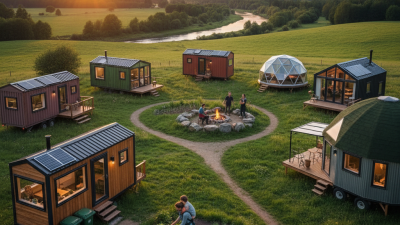
Are Portable Tiny Homes the Future of Affordable Living?
The rise of portable tiny homes is gaining attention as a solution for affordable living. Experts, like architect Jay Shafer, highlight their potential. He famously said, "Tiny homes show us that less can be more." This perspective resonates with many seeking simplicity and sustainability in their lives.
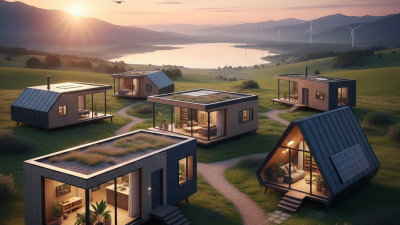
Portable tiny homes offer flexibility in living arrangements. They can fit on various terrains, from urban lots to rural landscapes. This adaptability brings a sense of freedom that traditional housing often lacks. However, some concerns arise. Zoning laws and infrastructure challenges can hinder widespread adoption.
While portable tiny homes promise an innovative path to affordable living, the journey is not without obstacles. Quality construction and sustainable materials are essential for long-term viability. As the market evolves, the discussion about accessibility and practicality continues. More voices are needed in this conversation to shape the future of affordable living.
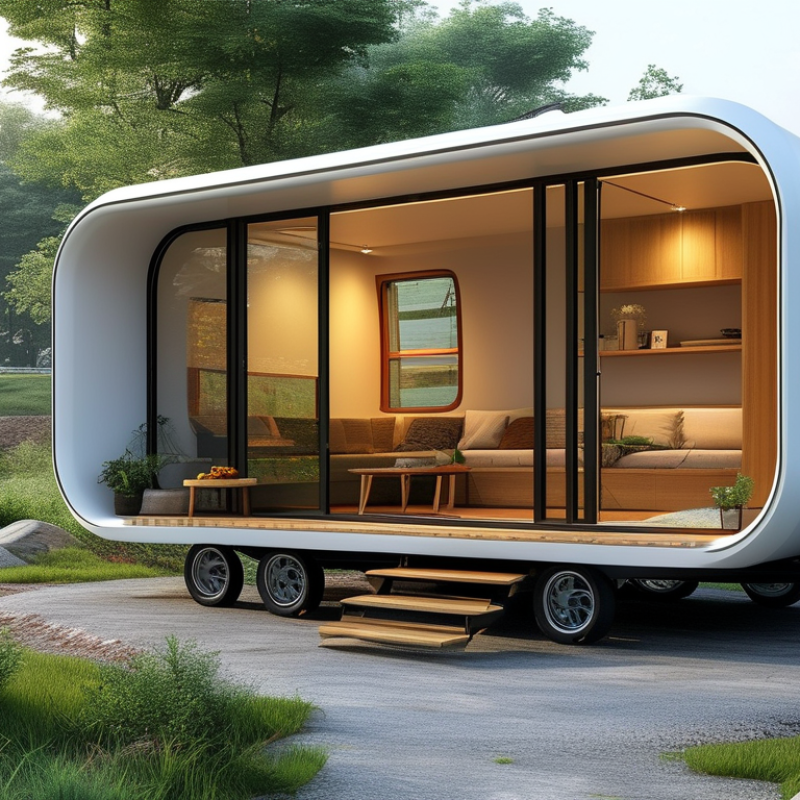
Benefits of Portable Tiny Homes for Affordable Living
Portable tiny homes are gaining traction as a solution for affordable living. These homes are typically less than 400 square feet, offering a minimalist lifestyle. More people are turning to them to escape high housing costs. A tiny home can reduce monthly expenses significantly. Utilities are often lower, and maintenance costs decrease as well.
Living in a portable tiny home promotes a simpler lifestyle. With limited space, homeowners must prioritize their belongings. This leads to less clutter and a more organized environment. Many find that living simply reduces stress and increases satisfaction. Additionally, these homes can be placed in various locations. Owners have the flexibility to travel or settle in less expensive areas.
However, the appeal of tiny homes is not without challenges. Space limitations can make hosting guests difficult. Families with children may struggle to fit everything they need. Zoning laws can complicate finding a suitable plot of land. Before making a decision, it’s vital to weigh both the pros and cons of tiny home living. Every choice requires careful consideration, particularly when it comes to the future of affordable living.
Design and Space Efficiency in Portable Tiny Homes
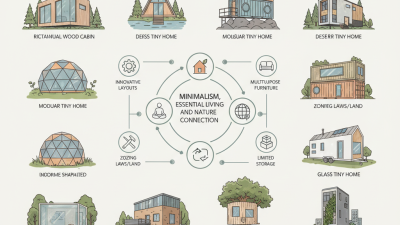
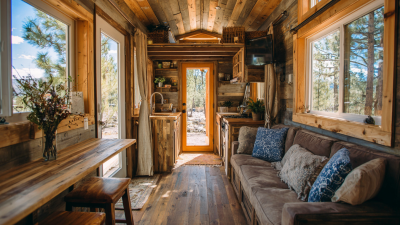
Portable tiny homes are transforming how we think about living spaces. These homes prioritize design and space efficiency, making them an appealing choice for those seeking affordable living. With clever layouts, they maximize every square foot. Multi-functional furniture is common, allowing for more use within the same footprint. Fold-out beds and expandable tables help to create a versatile environment.
While these homes can be beautifully designed, they often require compromises on space. Storage can become a challenge. Minimalism is essential, pushing residents to rethink their possessions. Not everyone is comfortable with such a drastic lifestyle shift. The simplicity of tiny living can feel daunting, and many find it hard to adapt. The beauty lies in creating a personal haven, even with limited resources.
Moreover, portability enhances their appeal. Tiny homes can be moved easily, providing freedom and flexibility. However, regulatory hurdles may arise when relocating. Different areas have varying zoning laws, which can complicate things. Navigating these regulations requires careful planning and expertise. Despite these challenges, the potential of portable tiny homes as a solution for affordable living remains compelling.
Are Portable Tiny Homes the Future of Affordable Living? - Design and Space Efficiency in Portable Tiny Homes
| Feature |
Description |
Average Cost ($) |
Space Efficiency (sq ft) |
Sustainability Rating |
| Design Flexibility |
Customizable layouts for diverse needs. |
25,000 |
200 |
High |
| Energy Efficiency |
Incorporates solar panels and energy-saving technology. |
30,000 |
250 |
Very High |
| Mobility |
Easily transportable to different locations. |
20,000 |
180 |
High |
| Construction Time |
Quick assembly and setup. |
15,000 |
150 |
Medium |
| Community Living |
Often part of eco-friendly communities. |
35,000 |
220 |
High |
Environmental Impact of Portable Tiny Homes
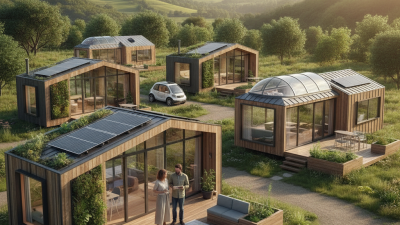
Portable tiny homes are gaining attention for their potential environmental benefits. These homes often use sustainable materials, reducing their carbon footprint. Many incorporate energy-efficient designs, such as solar panels and rainwater harvesting systems. These features promote eco-friendly living while minimizing resource consumption.
However, the environmental impact isn't entirely positive. Land use for tiny home communities can disrupt local ecosystems. While these homes are smaller, they still require land, which can lead to deforestation. Additionally, the manufacturing process can produce waste and emissions. It’s crucial to consider where and how these homes are built.
The quest for affordable living solutions should also prioritize sustainability. Tiny homes can foster a simpler lifestyle, but we must be mindful of their effects on our environment. Balancing affordability and ecological responsibility is essential. We need open discussions about regulations, land use, and community planning to ensure that the future of tiny living remains green.
Challenges Facing the Adoption of Portable Tiny Homes
Portable tiny homes promise a revolution in affordable living. However, challenges exist that might hinder widespread adoption. One significant issue is the zoning regulations. Many cities have strict building codes and zoning laws that don't accommodate tiny homes. This creates barriers for people wanting to downsize and live in a more cost-effective manner. Navigating these regulations can be time-consuming and frustrating.
Additionally, financing options for portable tiny homes are limited. Traditional mortgage lenders often ignore these homes because they are unconventional. Buyers may face higher interest rates or limited choices. This lack of financial support can deter many potential homeowners. Furthermore, the resale market for tiny homes is still developing. People might be hesitant to invest if they fear depreciation.
Another challenge includes the need for infrastructure. Portable tiny homes often rely on public utilities for water, electricity, and sewage. If these services are inadequate or unavailable, residents face complications. Community acceptance is also critical. Some neighborhoods may resist tiny home developments, fearing a decline in property values or changes to the local culture. These hurdles highlight the complexities of adopting this innovative housing solution.
Future Trends in Tiny Home Living and Affordability
The rise of portable tiny homes marks a shift towards affordable living. Many people are feeling the pressure of high housing costs. Portable tiny homes offer an innovative solution. They provide a sustainable lifestyle with lower expenses and minimal space requirements.
Tiny homes often boast eco-friendly designs. They can be placed on wheels for mobility, allowing flexibility in locations. However, downsizing comes with challenges. Limited space can feel restrictive. This lifestyle demands smart organization and prioritization of essentials. Not all buyers are prepared for such commitments.
Consider your lifestyle before investing. Evaluate the space you truly need. If you enjoy hosting, a tiny home may feel cramped. Embrace minimalist living to maximize comfort. It’s important to balance practicality and personal preference in this venture. Allow room for trial and adjustments. Adaptability is key for successful tiny home living.