Discover the Best Modern Tiny Homes of 2026 for Global Buyers?
In recent years, modern tiny homes have gained immense popularity among buyers worldwide. These innovative dwellings offer sustainable living solutions. They balance minimalism and comfort, creating appealing spaces for many. By 2026, this trend is expected to reach new heights.
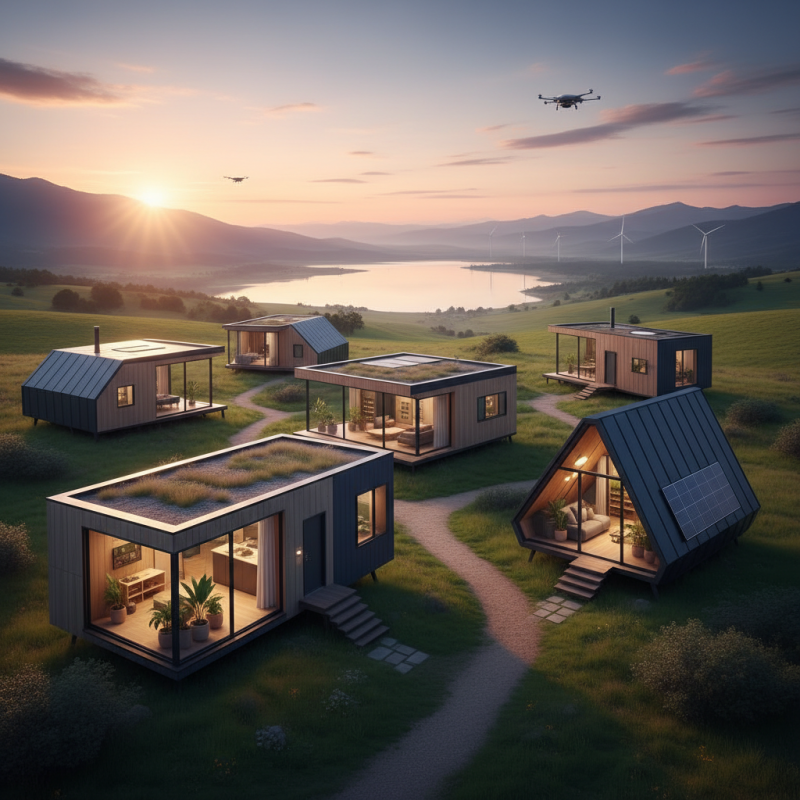
The best modern tiny homes combine design and functionality. They often feature open layouts, maximizing every square foot. Large windows invite natural light, enhancing the living experience. Sustainable materials are frequently used, promoting eco-friendly living. These homes are not just trendy; they offer practical benefits.
However, challenges exist in the tiny home movement. Space limitations can lead to difficulties in organization. Finding land that allows tiny homes may also pose hurdles. Buyers should carefully consider these aspects. Ultimately, modern tiny homes represent a bold step toward a more minimalist lifestyle.
Overview of Modern Tiny Homes: Trends and Innovations in 2026
In 2026, modern tiny homes have transformed into sleek, innovative dwellings that cater to diverse lifestyles. Recent industry reports state that the tiny home market is projected to grow by 68% in the next five years. This growth reflects a shifting mindset toward sustainable living. Buyers are increasingly drawn to minimalism and eco-friendly designs. Features such as energy-efficient appliances and smart home technology are now standard.
A significant trend is the integration of multifunctional spaces. In just 400 square feet, residents can enjoy a living area that doubles as a workspace. This design flexibility appeals to remote workers and young families alike. Additionally, the use of sustainable materials, like reclaimed wood and recycled steel, has become common. However, finding skilled builders for these intricate designs can be a challenge.
Yet, despite their appeal, modern tiny homes are not without drawbacks. Limited space can lead to a sense of confinement for some. Buyers often underestimate the need for storage solutions. Reports indicate that around 30% of tiny home owners struggle with daily organization. As the market continues to evolve, the balance between style and functionality remains a critical focus for potential buyers.
Key Features of the Best Tiny Homes for Global Buyers
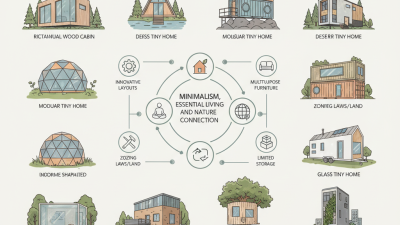
Modern tiny homes are reshaping our living spaces in 2026. They appeal to a growing number of global buyers seeking simplicity and sustainability. Key features define these homes and make them attractive.
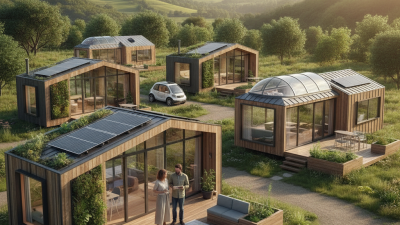
Efficient use of space is essential. Most tiny homes cleverly incorporate multifunctional furniture. This design maximizes utility while maintaining comfort. Large windows let natural light flood in, creating an airy atmosphere. Some homes even offer outdoor living spaces, blurring the line between indoor and outdoor life.
Sustainability is at the heart of many tiny homes. Eco-friendly materials are popular choices. Solar panels and water-efficient systems are common upgrades. However, buyers must consider potential challenges, such as limited storage and zoning regulations. Balancing modern conveniences with tiny living requires careful planning. Some may find it difficult to downsize and part with possessions. Reflecting on personal needs is crucial before making a commitment.
Top Designers and Architects Influencing the Tiny Home Movement
The tiny home movement is experiencing a dynamic shift. Designers and architects are challenging traditional living spaces. They’re reimagining what a home can be. In 2026, the influence of minimalist design is stronger than ever. Many creators focus on sustainable materials and innovative solutions. This push for eco-friendliness reshapes how buyers view homeownership.
The integration of technology plays a significant role. Smart home features are becoming standard in tiny designs. Space-saving furniture transforms even the smallest areas into functional living spaces. However, these modern designs sometimes overlook comfort. Buyers need to find a balance between aesthetic and practical living. The discussion around spatial efficiency versus personal comfort continues to grow.
While many designs embrace sleek lines, warmth often feels lost. Unique touches make a home true to its owner, providing character. Not every tiny home meets individual needs perfectly. Some buyers grapple with the compromise of style over substance. Reflecting on current trends reveals a need for more personalized touches in future designs. The journey of tiny living is still evolving, and there’s much to learn.
Discover the Best Modern Tiny Homes of 2026 for Global Buyers
| Designer/Architect |
Location |
Size (sq ft) |
Style |
Price Range ($) |
| Designer A |
California, USA |
400 |
Modern |
50,000 - 75,000 |
| Architect B |
Tokyo, Japan |
350 |
Minimalist |
45,000 - 70,000 |
| Designer C |
Berlin, Germany |
500 |
Industrial |
60,000 - 85,000 |
| Architect D |
Sydney, Australia |
450 |
Eclectic |
55,000 - 80,000 |
| Designer E |
Vancouver, Canada |
600 |
Scandinavian |
70,000 - 100,000 |
Sustainable Practices in Modern Tiny Home Construction
Sustainable practices are transforming tiny home construction. By 2026, eco-friendly materials will dominate the industry. Reports suggest that over 60% of buyers prioritize sustainability when selecting a tiny home. This trend is significant, reflecting a broader shift toward environmental responsibility.
Recycled materials, such as reclaimed wood and repurposed metals, are becoming standard. These resources reduce waste and lower carbon footprints. Tiny homes often incorporate solar panels, enhancing energy efficiency. A survey showed that homes equipped with solar power can reduce energy costs by up to 30%.
Water conservation is another focus. Many modern tiny homes feature rainwater harvesting systems. These systems offer significant savings, with potential water use reductions as high as 40%. While the tiny home movement promotes sustainability, challenges remain. Not all builders adhere to green standards. Buyers must research certifications and assess construction practices carefully. The journey to building a truly sustainable tiny home is ongoing and complex.
Popular Locations for Tiny Home Communities Around the World
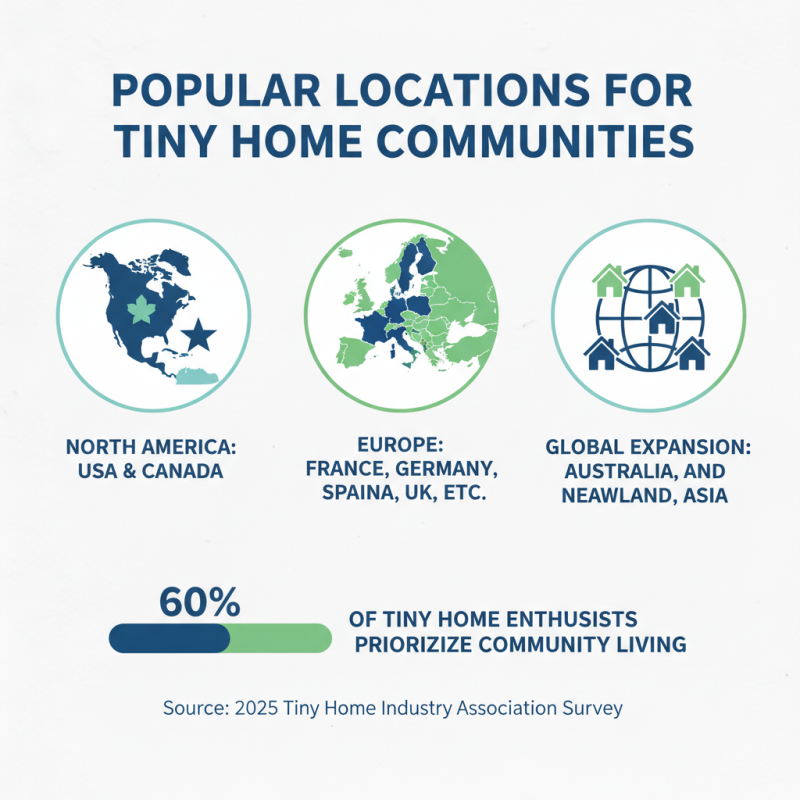
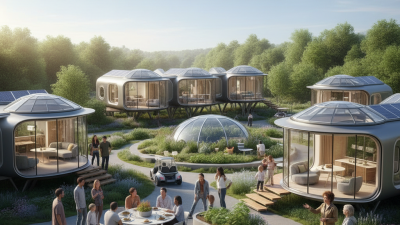
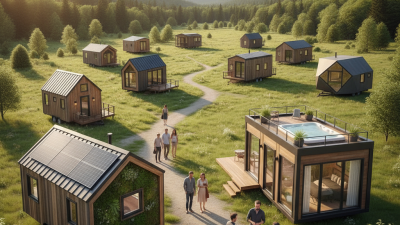
Tiny home communities are rising globally, attracting diverse buyers. Popular locations include the United States, Canada, and parts of Europe. According to a 2025 survey by the Tiny Home Industry Association, nearly 60% of people interested in tiny homes prioritize community living.
In the U.S., states like Oregon and California host vibrant tiny house communities. These areas offer stunning landscapes, from rugged coastlines to serene forests. Yet, challenges exist. Zoning laws often hinder tiny home developments. Moreover, true community spirit can vary widely among neighborhoods, leading to mixed experiences for new residents.
Canada’s interest in tiny living is increasing, especially in British Columbia. Local governments in cities like Vancouver endorse tiny homes as affordable housing solutions. However, some developers face pushback from traditional housing advocates. Similarly, in Europe, tiny homes are becoming a solution for tourism as well as permanent living. Nonetheless, the cultural acceptance of tiny living differs across countries. Choosing the right location involves careful consideration of regulations, community dynamics, and lifestyle compatibility.