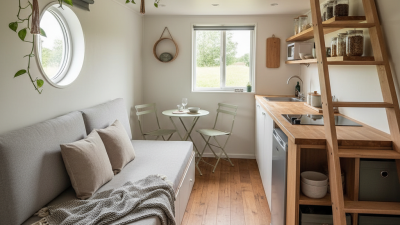
How to Choose the Best Small House for Your Budget
Choosing a small house on a limited budget involves more than comparing asking prices. The advertised cost may not include land preparation, delivery, utility connections, permits, or interior finishes. These expenses can change what seems affordable. Look closely.
A realistic budget starts with your needs and the home’s intended location. A compact cabin may suit a rural plot, while a modular home could require road access and a prepared foundation. Check what the quoted price actually covers, including insulation, plumbing, appliances, and warranties. Then compare those details with local contractor estimates, rather than relying on a headline price alone. Small houses can reduce heating and maintenance costs, but they still need sound materials and regular care.
Pay attention to the floor plan, not only the total square footage. Measure storage, doorways, and kitchen work surfaces; a narrow passage can feel inconvenient every day. Consider sunlight, ventilation, and where coats, tools, or cleaning supplies will go. Ask sellers for itemized specifications, references, and clear answers about delivery timelines. When possible, visit a completed home or inspect a sample unit. Photos can hide awkward corners.
It is tempting to choose the cheapest model. I might be overemphasizing upfront cost here; comfort and durability matter too. A careful comparison can help you find a small house that fits your budget without overlooking the costs and compromises that shape daily life.
Set Your Budget and Define Your Essential Housing Needs
Before viewing small houses, set a monthly ceiling based on your take-home pay, savings, and recurring bills. Include the mortgage, property taxes, insurance, utilities, and a repair reserve; a low purchase price can still bring high monthly costs.
The U.S. Department of Housing and Urban Development generally defines housing costs above 30% of household income as cost-burdened. Treat that figure as a warning, not a personal spending target, since transport costs and local taxes vary.
Be specific about what the house must do. Write down the number of people living there, sleeping spaces, storage needs, and any work-from-home requirements. Measure bulky furniture before touring, and picture daily routines: where coats dry, groceries fit, or a stroller can turn.
The Joint Center for Housing Studies at Harvard University reported that 22.4 million renter households spent over 30% of income on rent and utilities in 2022, underscoring how quickly housing costs can squeeze a budget.
A compact floor plan may lower utility and upkeep costs, but only if it suits your routines. A tiny kitchen may look charming. It may also frustrate you every evening.
Leave room in the budget for overlooked repairs; estimates can be wrong, and mine would be too.
Compare Small House Types, Sizes, and Purchase Prices
Small houses vary in price because “small” describes several different products. A tiny house on wheels may offer 150–300 square feet and cost roughly $40,000–$100,000 when finished. It can suit someone who values mobility, but furniture, storage, and winter comfort deserve a close look. A compact prefab cottage, often 400–800 square feet, may run about $80,000–$180,000 for the structure. A modular home of similar size can cost more, especially with upgraded finishes or a complex layout. These are broad U.S. planning ranges, not quotes; local labor and materials can shift them sharply.
Compare the purchase price with the cost of making the home usable. Delivery, foundation work, utility connections, site preparation, and interior finish may be separate. Ask whether the advertised figure includes appliances, insulation, and installation. Get those details in writing. A 500-square-foot plan with a simple roof and standard windows may be easier to budget for than a smaller design with custom angles and large glass doors. Still, the lowest price is not always the best value. Check the floor plan in person if possible: a narrow kitchen aisle or a low storage shelf can become irritating every day. I would also leave room in the budget for surprises; estimates rarely capture every uneven patch of ground.
Assess Location, Condition, and Long-Term Maintenance Costs
How to Choose the Best Small House for Your Budget
Assess Location, Condition, and Long-Term Maintenance Costs
A small house can look affordable on paper, yet its location shapes daily costs. Check your commute during rush hour, not only on a quiet weekend. A ten-minute drive in the listing may become forty minutes in school traffic. Visit after dark, too. Listen for road noise and notice whether groceries, clinics, and transit feel reachable. A lower price may cost more in time and fuel.
Look beyond fresh paint. Check under sinks for damp wood, test the windows, and note sloping floors or patched ceilings. A qualified inspector can assess the roof, wiring, plumbing, heating, and foundation. Cosmetic fixes sometimes hide expensive work. Ask for utility bills and maintenance records, if available. Estimate repairs over five years, not just the first month. Small homes still need roofs, gutters, and appliances replaced. Leave room for surprises. I tend to underestimate these costs; perhaps you will too.
Tips: Compare monthly costs, including taxes, insurance, utilities, commuting, and a repair reserve. Get estimates for visible problems before making an offer. Keep a simple spreadsheet. It is not elegant, but it can reveal a house that only seems cheap.
How to Choose the Best Small House for Your Budget
Compare annual maintenance reserves across home-price scenarios. A common planning rule of thumb is to budget 1%–3% of a home’s value each year; actual costs vary with condition, location, climate, and materials.
These figures are illustrative estimates, not market averages or quotes. A well-maintained home may need less, while an older or repair-prone home—and one in a high-cost or harsh-climate area—may need more. Inspect the property and check local costs before setting your budget.
Review Financing Options and Ongoing Ownership Expenses
Financing and ongoing expenses deserve as much attention as the listing price. Compare loan offers by looking at the interest rate, repayment term, down payment, and closing costs. A lower monthly payment may come with a longer loan and more interest overall. Ask lenders for written estimates, and check whether taxes and insurance are included. Preapproval can help set a realistic price range, but it does not guarantee final approval.
Ownership costs can surprise buyers. Even a compact home needs repairs, insurance, property taxes, and utility payments. A drafty window or older water heater can raise bills, so ask about insulation, heating, and recent maintenance. Get an independent inspection where possible. Set aside money each month for repairs, even if the house looks move-in ready. A budget can look tidy on paper, then wobble when a major appliance fails. I would not assume a smaller floor plan always means lower bills.
Tips: Compare the full monthly cost, not just the mortgage. Request recent utility bills, estimate annual maintenance, and keep a cash buffer for unexpected work. If the numbers feel tight before moving in, pause and revise your budget.
Choose the House That Best Fits Your Total Budget and Priorities
A small house should fit more than your target purchase price. Set a total budget that includes inspections, closing costs, moving, utility setup, and an emergency reserve. Then estimate monthly expenses, including loan payments, property taxes, insurance, and heating or cooling. Small homes can still need costly repairs. Ask a qualified inspector to assess the roof, plumbing, and heating system before you commit.
Write down your non-negotiables before viewing homes. These might include a ground-floor bedroom, outdoor space, or a short commute. Measure storage areas and bring a tape measure; a narrow closet can change daily life more than a fresh coat of paint. Check where furniture could go, too. A room may look spacious when empty but feel crowded with a bed and desk.
Compare each house against both your budget and your priorities, not just its asking price. A lower-cost home farther from work may add travel expenses and hours to your week. A move-in-ready kitchen might matter less than sound insulation or accessible laundry. It is easy to overvalue attractive finishes. I might still be tempted by them, and that is worth questioning. Leave room in your budget for surprises, even if the perfect cushion feels frustratingly large.
Related Posts
-
Mini Homes Tips for Affordable Living Solutions?
-
10 Essential Tips for Choosing Portable Homes for Your Lifestyle?
-
Digital Best Little Homes for Modern Living Insights?
-

Discover Little Homes in China Top Choices for Global Buyers?
-
What Are Little Homes and How Can They Benefit You?
-

How to Choose the Best Mini Homes for Global Buyers?