What Are Little Homes and How Can They Benefit You?
Little homes are becoming a popular choice for many individuals and families. These compact living spaces offer unique advantages that traditional homes may not provide. With rising housing costs and urban congestion, little homes present an appealing alternative. They encourage a simpler, more intentional lifestyle.
Many people find joy in downsizing. Little homes allow for reduced maintenance and lower utility bills. They often lead to less clutter and more freedom. Living in a smaller space can foster creativity and connection. Additionally, little homes can be built sustainably, minimizing environmental impact.
However, these homes are not without challenges. Individuals must adjust to a new way of living. Space can be limited, making organization crucial. Reflecting on one's needs is necessary. Adopting this lifestyle requires careful planning and consideration. Ultimately, little homes provide a fresh perspective on home and community.
What Are Little Homes: A Comprehensive Overview of Their Definition
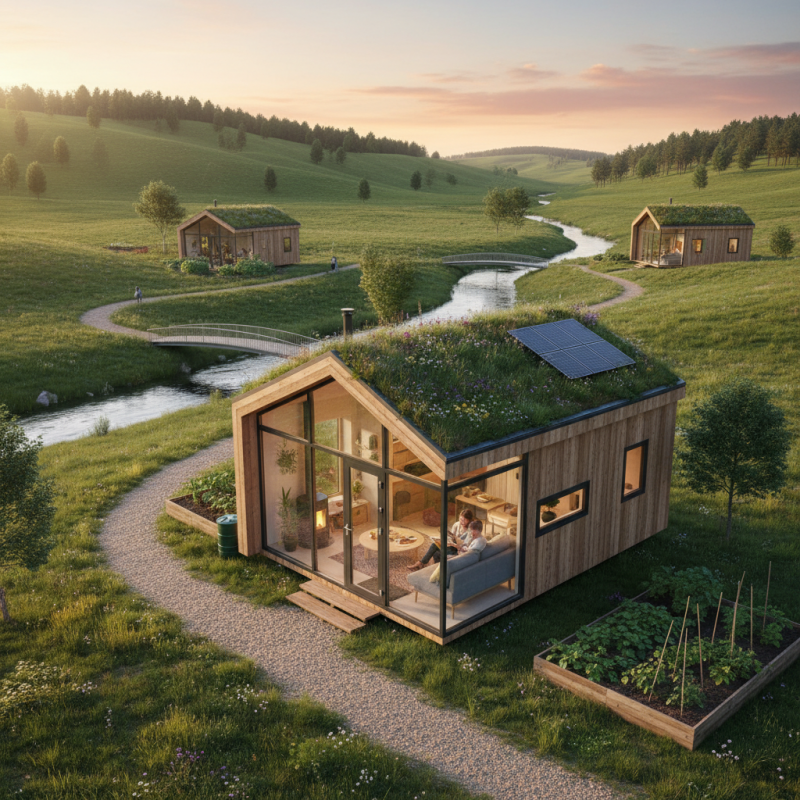
Little homes, often referred to as tiny houses or miniature dwellings, are small residential structures designed to maximize living efficiency. They typically occupy a limited physical footprint, usually ranging from 100 to 400 square feet. These homes are often built on trailers for mobility, promoting a minimalist lifestyle. They can include all the necessary amenities found in traditional homes, such as kitchens and bathrooms, albeit on a smaller scale. The design often emphasizes clever storage solutions and multifunctional spaces. This can foster a cozy, personalized living environment.
One significant benefit of little homes is their potential to reduce environmental impact. With less space and fewer resources required for construction, these homes can lead to lower energy consumption. They can significantly decrease one's carbon footprint.
However, embracing this lifestyle is not without challenges. Limited space can lead to clutter if not managed well. Additionally, the transition to tiny living may require a mindset shift and careful planning. Some people may find it difficult to downsize their belongings or adjust to a more compact way of life. Reflecting on these aspects can help individuals understand if this lifestyle truly aligns with their needs.
The Rise of Little Homes: Industry Trends and Market Growth Statistics
The tiny home movement has gained significant momentum over recent years, driven by a desire for simplicity and affordability. According to a report by the American Institute of Architects, nearly 50% of young adults express interest in living in a small home. This trend reflects changing priorities, particularly among millennials who prioritize experiences over possessions.
Market research indicates that the tiny home industry saw a growth rate of 22% from 2018 to 2022. This surge is largely attributable to rising housing costs and student debt. Many buyers are looking for alternative housing solutions. Reports also project that the market will continue to expand, reaching a value of approximately $4 billion by 2025.
**Tips:** Consider local zoning laws before investing in a tiny home. Not all areas permit these structures, which can lead to unexpected challenges. Interior design plays a crucial role in maximizing small spaces. Clever storage solutions and multifunctional furniture create a comfortable living environment.
What Are Little Homes and How Can They Benefit You?
| Dimension |
Statistics |
| Average Size of Little Homes |
400 - 800 sq ft |
| Average Cost |
$50,000 - $150,000 |
| Average Energy Savings |
30% - 50% compared to traditional homes |
| Market Growth Rate (2020-2025) |
20% CAGR |
| Percentage of Millennials Interested |
60% |
| Common Materials Used |
Recycled Wood, Metal, Insulated Panels |
| Primary Location Preferences |
Rural Areas, Eco-Communities |
Benefits of Little Homes: Cost-Effectiveness and Sustainability Insights
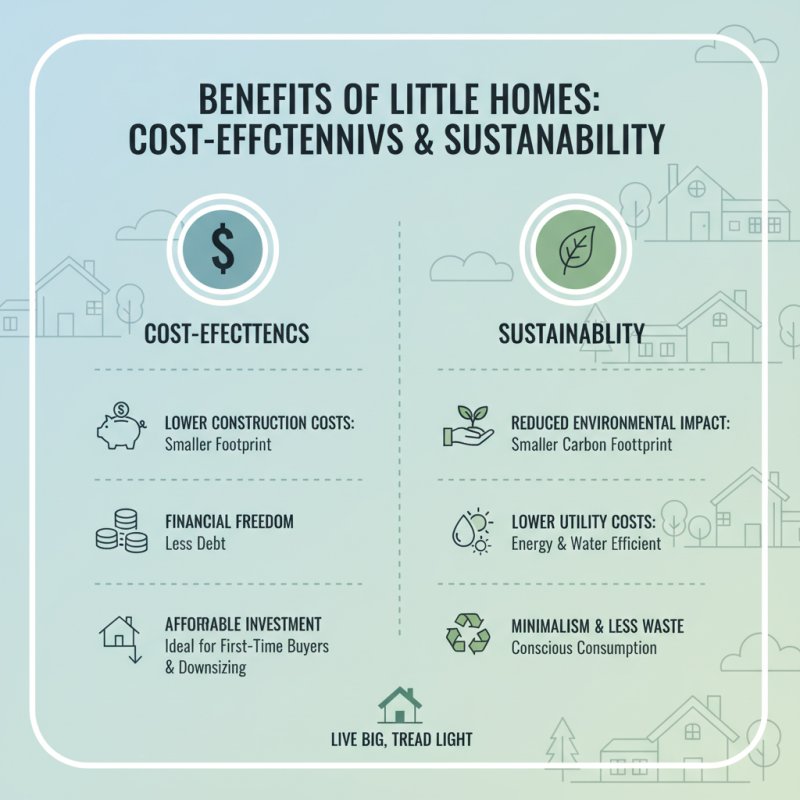
Little homes have gained attention for their unique advantages. Their smaller footprints mean lower construction costs. For many, this translates to less debt and more financial freedom. The initial investment is often lower than traditional homes. This can be a game changer for first-time buyers and those looking to downsize.
Sustainability is a key aspect of little homes. They typically use fewer resources during construction. This leads to a reduced environmental impact. Their smaller size often means lower energy consumption, which can lower utility bills significantly. However, living in a smaller space does require smart design choices. Families might find it challenging to adapt, needing to rethink storage and organization. This can be a struggle but also an opportunity for creativity.
The appeal of little homes lies not just in savings but also in their ecological footprint. Many people desire a lifestyle that reflects their values. However, community acceptance can vary, and zoning laws may be restrictively rigid. These barriers challenge the idea of little homes but also prompt discussions on housing solutions. It’s an evolving conversation about what home truly means.
Financing Options for Little Homes: Cost Analysis and Investment Potential
Financing a little home can be affordable and flexible. According to the U.S. Census Bureau, tiny homes typically cost between $30,000 and $60,000. This range offers lower initial investment compared to traditional homes. Many buyers find this appealing, especially first-time homebuyers burdened with student loans. The allure of lower mortgage payments is significant.
Investing in a little home also means lower utility bills. A study from the Energy Information Administration indicates that smaller homes consume less energy. Lower maintenance costs additionally make them attractive. However, the resale market for tiny homes can be volatile. Some neighborhoods lack acceptance for these homes, impacting future value. Understanding local regulations is crucial before investment.
Alternative financing options include personal loans and crowdfunding. Local credit unions also offer specialized loans for tiny homes. Some buyers explore potential rental income, which can offset costs. However, securing long-term financing can be a challenge. The investment potential relies heavily on location and market demand.