CUSTOMISE Your Tiny Home - Call us now!

Top 10 TV Wall Cabinet Ideas for Every Home?

A well-planned Tv Wall Cabinet can do more than hold a screen. It can hide cables, frame a television, and give everyday items a clear place to land. But the best design depends on the room. A low floating unit may make a compact space feel more open, while full-height storage can help a busy family room contain books, games, and devices. There is no single right answer. Even a beautiful cabinet can feel awkward if it blocks a doorway or leaves the television too high.

Homeowners are investing in their spaces, though not every renovation focuses on furniture. The 2024 U.S. Houzz & Home Study reported that 54% of surveyed homeowners renovated in 2023, with median renovation spending of $24,000. Those figures describe broad home projects, not TV cabinets specifically, so they offer context rather than proof of demand for one design. Still, they underline why practical choices matter. Measure the wall, check where outlets sit, and consider the viewing distance before choosing a cabinet. Small details matter.

This guide explores ten ideas, from sleek wall-mounted cabinets to warm wood designs with open shelves. Each option has trade-offs. Glass doors show clutter more easily; closed fronts can make a small room feel heavier. These ideas are starting points, not rules. A little honest measuring may save a costly regret.
Top 10 TV Wall Cabinet Ideas for Every Home?

What a TV Wall Cabinet Is and How It Shapes a Living Space

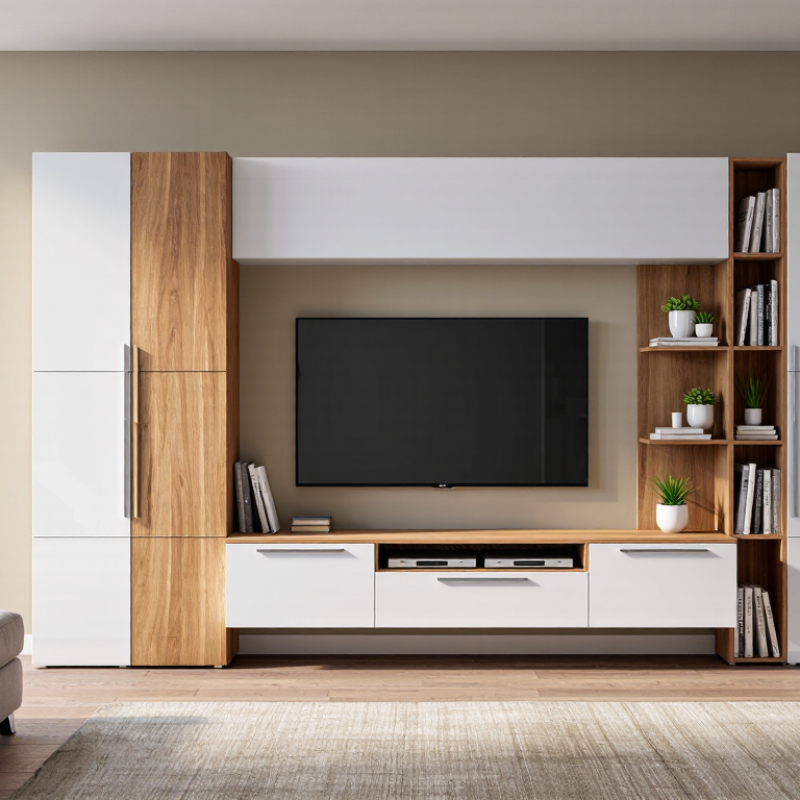
A TV wall cabinet is a storage unit arranged around or beneath a television, often combining closed cupboards, open shelves, and a broad surface. Unlike a simple TV stand, it uses the wall as part of the room’s layout. The screen becomes one element in a larger composition, alongside books, framed photographs, or a small lamp. In a compact living room, mounting the screen above a low cabinet can free floor space and make the area feel less crowded. It can feel lighter. A tall arrangement, however, may dominate a narrow wall, so measure the room and screen before choosing its proportions.

The cabinet also shapes everyday habits. Drawers can keep remotes, spare cables, and game controllers close without leaving them in view. Open shelves make frequently used items easy to reach, but they collect dust and visual clutter. Not always. One compromise is real: closed doors hide devices, yet make them harder to access. Leave space for ventilation around electronics, and plan cable openings before installation. Wood tones can soften a room with pale walls, while a smooth, matching finish can make storage recede. Consider what the cabinet must hold, how often you use it, and whether the wall can safely support its weight. A little visible breathing room around the screen often looks calmer than filling every shelf.

Key Factors to Consider Before Choosing a TV Wall Cabinet

Top 10 TV Wall Cabinet Ideas for Every Home?
Key Factors to Consider Before Choosing a TV Wall Cabinet

Before comparing finishes, measure the television, wall, and viewing distance. A cabinet that looks balanced online may overwhelm a narrow living room. Check the TV’s width and weight, then confirm the cabinet or mounting system supports both. Leave room around the screen and ventilation openings, especially if a game console or receiver sits inside. Heat needs an exit.

Consider the wall itself. Plasterboard, brick, and concrete need different fixings, and a loaded cabinet can be surprisingly heavy. If you are unsure about the wall or installation, ask a qualified installer rather than guessing. Plan cable routes, power access, and device connections before mounting; otherwise, one dangling cord can spoil a tidy setup. Small detail, big difference.

Think about what you actually store. Measure consoles, remotes, and speakers, including space for airflow and easy access. Closed doors hide clutter, but can also block remote signals or make devices awkward to reach. Choose a depth that fits your equipment without pushing the cabinet into a walkway. Matte finishes can reduce glare near bright windows, while pale colors may show scuffs less readily than dark gloss. Still, room lighting changes how finishes appear, so check a sample at home. Measurements are not always perfect; leave a little tolerance instead of planning every edge down to the millimeter.

TV Wall Cabinet Planning: Screen Width by TV Size

Screen widths are calculated from the diagonal size of a 16:9 TV. Choose a cabinet wider than the screen for a balanced look and room for accessories; the ideal extra width depends on your layout and storage needs.

Ten TV Wall Cabinet Ideas for Different Rooms and Design Styles

A TV cabinet should suit the room, not just the screen. In a living room, a floating oak cabinet keeps the floor visible and makes cleaning easier. For a small apartment, choose a tall, narrow unit with closed doors for games and cables. A bedroom often feels calmer with a low cabinet in a soft finish. Farmhouse rooms can use a painted cabinet with simple panel details, while minimalist spaces benefit from flat fronts and hidden handles. Keep it practical.

Industrial interiors pair well with dark metal frames and warm wood shelves. In a family room, closed storage can hide toys and spare controllers. A home office may need a compact cabinet with drawers for chargers and notebooks. For an awkward corner, a corner unit can save wall space, though screen angles may be less comfortable. A built-in media wall suits larger rooms, adding shelves for books and a few personal objects. It can also feel heavy if every shelf is filled.

Tips: Measure the wall, screen, and viewing distance before buying. Leave room for ventilation and accessible cables. Check that cabinet doors open without hitting nearby furniture. A little empty space often looks better, though I still tend to overfill shelves.

How to Match Cabinet Materials, Storage, and TV Placement

A TV wall cabinet should suit the room’s light, floor, and daily routines, not just the screen. Pale oak or ash can soften a dark living room, while painted cabinets often feel quieter in a small space. Wood veneer adds visible grain without the weight of solid timber, but check how its color looks beside your flooring. Finishes can shift under warm evening lamps. Test a sample at home.

Plan storage around what you actually use. Measure game consoles, routers, and sound equipment before choosing shelves; allow space for airflow and cables. Closed doors hide clutter, while one open shelf keeps frequently used items within reach. Deep cabinets can make a narrow room feel crowded. I learned that the hard way.

TV placement affects comfort as much as appearance. Sit in your usual spot and aim to place the screen’s center near eye level. Leave enough clearance above the cabinet for ventilation and easy cleaning. A tilting mount may help when the screen sits higher, though it is not a cure for poor placement. Route cables through a cabinet opening, and make sure the power outlet remains accessible. Measure twice. A tidy wall is useful, but a slightly imperfect layout may feel more natural than forcing every piece into perfect symmetry.

Top 10 TV Wall Cabinet Ideas for Every Home? - How to Match Cabinet Materials, Storage, and TV Placement
# Cabinet Idea Suitable Materials Storage Approach TV Placement Works Well In Practical Consideration
1 Floating Minimalist Cabinet Painted MDF, plywood with veneer, or solid wood One long drawer or a few handle-free drawers for remotes, cables, and small accessories Wall-mount the TV above the cabinet; keep the screen centered with the main seating area Contemporary living rooms and compact apartments Check the wall structure and use suitable fixings; leave enough clearance below for cleaning and any floor equipment.
2 Full-Width Media Wall Painted MDF panels, wood veneer, and matching cabinet fronts Combine closed cupboards with open shelves for devices and display objects Place the TV in a central wall bay, with shelves or cabinets balanced around it Large living rooms and open-plan homes Plan ventilation for electronics and provide accessible routes for power and signal cables.
3 Natural Wood Slat Cabinet Wall Wood veneer, solid timber slats, or wood-look panels Pair a simple low cabinet with concealed storage to keep the textured wall uncluttered Mount the TV over a solid, reinforced section rather than relying on decorative slats alone Warm, Scandinavian, or mid-century interiors Wood finishes vary in color and grain; compare samples in the room's natural and artificial light.
4 Compact Corner Cabinet Veneered plywood, painted MDF, or durable laminate Use a triangular or angled cabinet with shelves for a streaming device and a small collection of media Position the screen so it faces the primary seating area, using a suitable mount if adjustment is needed Small rooms where a full-width media wall would obstruct circulation Measure viewing angles and door swings before choosing the corner; avoid blocking windows or walkways.
5 Built-In Cabinet with Side Storage Painted MDF, plywood, or veneer coordinated with the room's trim Use tall side cupboards for books and household items, with a low central section for media equipment Center the TV between the side units and keep the screen at a comfortable seated viewing height Family rooms and homes needing substantial concealed storage Allow for baseboards, outlets, and access panels; built-ins should be measured to fit the actual wall.
6 Glass-Front Display Cabinet Wood or engineered-wood cabinet with tempered-glass doors Store books and display pieces behind glass; reserve ventilated, closed compartments for electronics Keep the TV on a clear central wall area, away from reflections from windows and bright lamps Rooms that combine entertainment storage with a display area Glass can reflect light and show fingerprints; choose a location and finish that suit the room's lighting.
7 Low-Profile Scandinavian Cabinet Light-toned wood veneer, solid wood, or matte laminate Use a few deep drawers for accessories and a ventilated shelf for devices Place the TV above the cabinet with enough space for a soundbar, if used Bright rooms and interiors with simple, natural finishes Confirm that the cabinet is wide and stable enough for any equipment placed on top.
8 Closed-Front, Handle-Free Cabinet Matte-lacquered MDF, laminate, or veneer with push-to-open hardware Conceal accessories and cables behind flat doors; include ventilation where devices are enclosed Mount the TV above the cabinet and route cables through planned openings Minimalist spaces where a visually calm wall is preferred Push-to-open doors need clear opening space; avoid enclosing heat-producing electronics without airflow.
9 Mixed Open-and-Closed Cabinet Wood veneer or laminate with metal or painted-wood accents Combine closed drawers for clutter with open shelves for frequently used devices Center the TV over the main cabinet section and keep open shelves within reach Busy households that need both quick access and concealed storage Keep shelves around the screen visually balanced and leave space for cables and device ventilation.
10 Stone-Look Feature Wall with Slim Cabinet Porcelain or stone-look wall panels with a wood, laminate, or painted cabinet Choose a slim, closed cabinet to balance the textured feature surface Mount the TV on a properly supported section and check that the surface will accept the chosen fixing method Modern living rooms with a statement wall Heavy or hard wall finishes may require specialist installation; plan mounting and cable routes before fitting panels.

Planning Safe Installation and Everyday Use

A wall-mounted TV cabinet can free floor space, but appearance should never guide installation alone. Check the wall type, cabinet weight, television weight, and stored items together. A small cabinet may still become heavy. Use a fixing method suited to the wall, rather than whichever screws happen to fit. Find studs behind drywall, or select anchors rated for the full load. For masonry or uncertain walls, ask a qualified installer to assess the fixing points. Keep the cabinet level and confirm each bracket is fully seated before adding items.

Plan cable openings before mounting, and leave space for airflow around devices that warm during use. Avoid pinching cords behind a tight cabinet or pulling them across sharp edges. Place heavier items low, and keep the cabinet’s load limit in mind. If doors swing outward, check their clearance beside curtains, lamps, and walkways. Small checks matter. It is easy to focus on a clean, centered look and overlook these practical details.

For everyday use, keep frequently used accessories within reach, but avoid stacking objects above the cabinet. Recheck fasteners after installation and occasionally afterward, especially if doors sag or the unit shifts. Those signs deserve attention. A tidy arrangement can still hide poor airflow or a loose fitting; appearance is not proof of safety. It is tempting to rush this part. A second look, even after the room feels finished, is worthwhile.