CUSTOMISE Your Tiny Home - Call us now!

What Are the Top Types of Powder Coated MDF Furniture?

Powder Coated MDF furniture combines engineered wood panels with a durable, factory-applied finish. Its appeal is practical: smooth cabinet doors, crisp desk surfaces, and coordinated shelving can suit both homes and commercial interiors. The category includes more than one look or use. Panel thickness, edge treatment, coating texture, and resistance to scratches all affect the final result.

Industry data offers useful context, but it needs careful reading. Grand View Research’s Powder Coatings Market report valued the global market at approximately USD 13.7 billion in 2023 and forecast continued growth through 2030. That figure covers powder coatings across many applications; it does not measure MDF furniture alone. Still, it shows why the finish is attracting attention. A broad market trend is not proof that every coated panel performs equally well. That distinction matters.

This guide looks at the main types, from kitchen and bathroom cabinetry to wardrobes, office desks, shelving, and display units. It will compare where each type works best and what buyers should inspect, including sealed edges, coating consistency, hardware, and care requirements. A glossy door may look striking under showroom lights, yet show fingerprints more readily at home. Small details matter. The right choice depends on the room, daily use, and finish—not appearance alone.
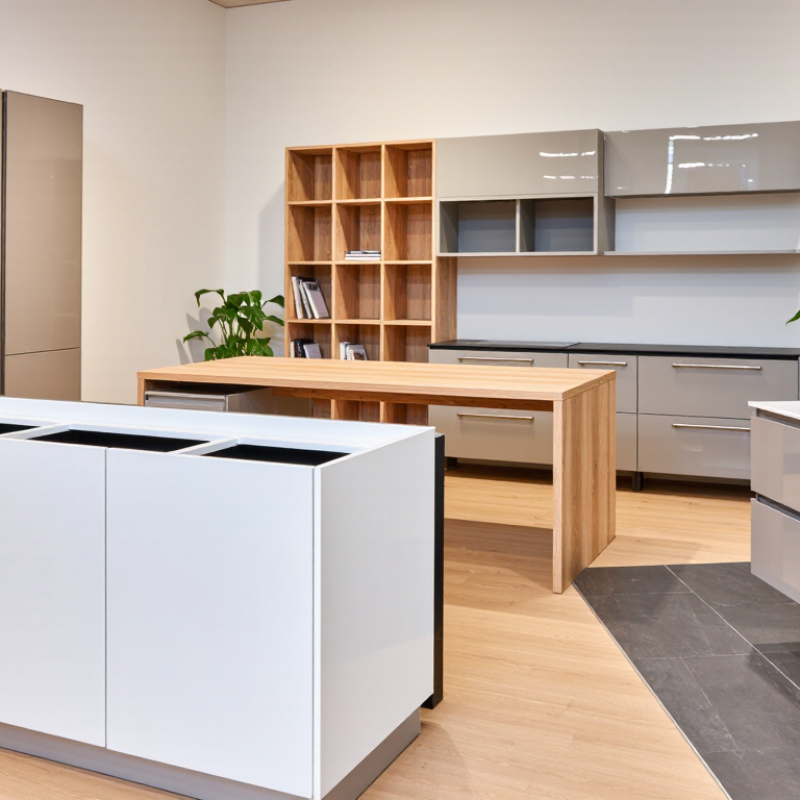
What Are the Top Types of Powder Coated MDF Furniture?

Cabinets and Wardrobes with Powder-Coated MDF Panels

Cabinets and wardrobes are among the most practical uses for powder-coated MDF panels. Their broad, flat doors provide a smooth surface for an even finish, while MDF allows clean, consistent shapes. In a bedroom, matte powder-coated doors can soften reflected light; in a hallway, a lighter finish may make a compact wardrobe feel less imposing. The coating is applied using a process suited to MDF, since standard high-temperature methods can damage the wood-based panel.

Details matter. Carefully sealed edges help limit moisture absorption, especially near sinks or on wardrobe doors in humid rooms. Still, powder coating does not make MDF waterproof. Wipe spills promptly with a soft, slightly damp cloth, and avoid abrasive cleaners that may dull the surface. Check door alignment and hinges during installation; a heavy door that rubs can gradually mark its finish. Matte surfaces hide small smudges well, but they can be harder to clean if grime builds up. A glossy finish looks crisp, though fingerprints show more readily. That trade-off is easy to overlook.

What Are the Top Types of Powder-Coated MDF Furniture?

Typical MDF panel thicknesses used in cabinets and wardrobes

18 mm panels are commonly used for doors, drawer fronts, carcasses, and shelves, while thinner panels are often used for cabinet and wardrobe backs. These are typical examples, not universal specifications; the powder-coated finish does not determine panel thickness.

Powder-Coated MDF Desks and Office Furniture

Powder-coated MDF desks suit offices that need a smooth, easy-to-clean work surface without the weight of solid wood. The MDF core provides a stable base, while the coated surface adds color and helps resist everyday scuffs. A desk with a metal frame and powder-coated MDF top can also balance a warm, matte appearance with a sturdy structure.

The coating process needs care. MDF is sensitive to heat and moisture, so manufacturers must use a suitable powder and controlled curing conditions. A well-finished edge matters, too; exposed or poorly sealed edges can swell if spills sit unnoticed. Details matter. Look for even coverage around corners, clean joins, and a top that does not flex under a monitor or stacked files.

In shared offices, matching desks with coated MDF cabinets can create a consistent look and simplify routine cleaning. Use a soft cloth and mild cleaner rather than abrasive pads, which may dull the finish.

One limitation is worth considering: deep scratches can be difficult to repair invisibly. The finish may look tough, but it is not indestructible. Choosing a desk with replaceable components can make future wear easier to manage.

Tables and Dining Furniture Made with Powder-Coated MDF

Tables and dining furniture made with powder-coated MDF can bring a smooth, consistent finish to everyday spaces. Dining tables, breakfast bars, and compact café tables often use MDF panels for broad, even surfaces. A compatible powder-coating process can add a durable outer layer, while the panel beneath provides a clean shape. The finished top may feel pleasantly smooth. Check the maker’s care guidance, since edge treatment and coating quality affect performance.

Tips: Use coasters and wipe spills promptly. Keep hot cookware off the surface. Inspect table edges now and then, especially near joints and corners.

For a family dining table, look closely at the underside, seams, and leg connections before buying. These details can reveal how well the piece is assembled. Powder-coated MDF is practical, but it is not immune to dents, deep scratches, or moisture reaching exposed edges. That part is easy to overlook. A pale finish can make a small room feel brighter, though crumbs and marks may show more clearly. I would not choose only by color; stability and easy cleaning matter just as much.

What Are the Top Types of Powder Coated MDF Furniture? - Tables and Dining Furniture Made with Powder-Coated MDF

Furniture Type Typical Dimensions Common Use Powder-Coated MDF Features Practical Considerations
Dining Table 120–180 cm long × 75–90 cm wide; about 75 cm high Everyday dining for approximately 4–6 people A smooth, consistent color finish can cover the tabletop and visible edges; a separate frame or legs may provide support. Use coasters and wipe spills promptly. Protect the panel from prolonged moisture and excessive heat.
Small-Space Dining Table 75–100 cm diameter, or 75–100 cm square; about 75 cm high Compact kitchens, breakfast areas, and smaller dining spaces A round or square panel makes the coated surface a clear visual feature while keeping the footprint compact. Check that the base leaves enough legroom and that the table is stable on the intended floor surface.
Café or Bistro Table 60–80 cm diameter or square; typically 72–75 cm high Home cafés, breakfast nooks, and light-duty hospitality settings The coated panel can offer a uniform finish and is straightforward to clean with a soft, damp cloth. For commercial use, confirm the panel construction, edge protection, and finish-care requirements with the supplier.
Counter-Height Dining Table Usually 90–95 cm high; top commonly 60–120 cm long Kitchen counters, casual meals, and pairing with counter-height stools Powder-coated MDF can be used for a solid-color top or coordinated panel surfaces. Choose stools suited to the table height and check that the base provides adequate stability.
Coffee Table 90–120 cm long × 45–60 cm wide; about 35–45 cm high Living rooms and lounge areas A coated top can create a clean, even finish and pair with wood, metal, or other compatible base materials. Use felt pads or protective feet where needed; avoid dragging objects with rough or sharp bases across the surface.
Side or End Table 35–60 cm wide; commonly 45–65 cm high Beside sofas, armchairs, or beds The smaller panel format suits accent colors and coordinated furniture sets. Keep the table level and avoid standing or sitting on it unless it is specifically designed for that load.
Console Table 80–140 cm long × 25–40 cm deep; about 75–85 cm high Entryways, hallways, and living-room display areas A narrow coated MDF top can provide a continuous color surface along the length of the piece. Secure tall or narrow furniture where required, particularly in homes with children or pets.
Nesting Tables Individual tops commonly 30–55 cm wide; heights vary by set Flexible surface space in living rooms and small apartments Matching powder-coated panels can give a coordinated appearance across different table sizes. Check that the tables slide together without scraping their coated surfaces or edges.

Dimensions are common guide ranges, not fixed standards. Powder coating on MDF requires a suitable coating process and compatible panel preparation; confirm the product’s intended use and care instructions before purchase.

Shelving Units and Storage Furniture

Shelving units made with powder-coated MDF suit home offices, utility rooms, and compact living spaces. The smooth finish gives shelves a clean, even appearance without visible wood grain. It can also handle everyday scuffs and light spills better than an untreated MDF surface. Still, it is not waterproof. Wipe up moisture promptly, especially near panel edges and joints.

A useful shelving unit has more than a neat finish. Check the shelf thickness, support rails, and distance between supports before loading it with books or heavy containers. Long MDF shelves can bow over time when weight is concentrated in the middle. Distribute items evenly. That detail matters. Adjustable shelves make it easier to store changing household items, while enclosed cabinets help keep dust off linens, tools, or pantry supplies.

Powder-coated MDF storage furniture can work well in rooms where appearance and easy cleaning both matter. Look closely at corners and drilled holes, since chipped or poorly sealed edges may be more vulnerable to moisture. A cabinet that looks sturdy in a showroom may feel less stable when fully loaded; anchoring and careful assembly deserve attention. I would not treat the coating as a substitute for sensible care. Wipe surfaces with a soft cloth and avoid abrasive pads that could dull the finish.

Bedroom Furniture with Powder-Coated MDF Components

Bedroom furniture with powder-coated MDF components can include wardrobe doors, bedside-table fronts, headboard panels, and drawer faces. These parts offer a smooth, even finish and crisp edges, useful where painted wood might show brush marks. Powder coating MDF requires a process designed for wood-based panels: the surface may need a conductive primer, and curing temperature must suit the board. Otherwise, heat can affect the panel or the finish may adhere unevenly. Small test panels matter.

Details matter. Sealed edges help limit moisture uptake, while carefully drilled screw holes reduce chipping during assembly. On a wardrobe door, a fine-textured coating can soften fingerprints; on a bedside table, a matte finish can reduce glare from a reading lamp. The surface is durable, but not invulnerable. A hard impact can still dent the MDF beneath it. For bedroom use, also check the board’s emissions documentation: the U.S. Environmental Protection Agency’s TSCA Title VI standard sets a formaldehyde limit of 0.11 parts per million for MDF. That limit concerns emissions, not coating quality, so it cannot replace finish and construction checks.