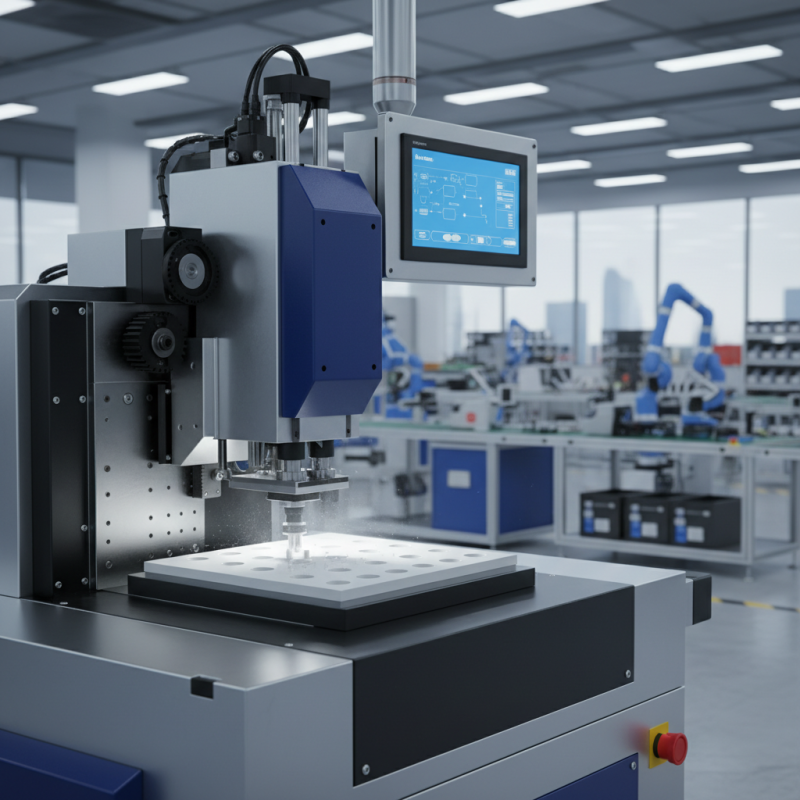
Top Features of Ltcc Hole Punching Machine for Global Buyers?
The Ltcc Hole Punching Machine stands out in the global market for its innovative features. Designed for efficiency, it meets the needs of various industries. Buyers seek reliable machines to enhance their production lines, and this model excels.
This machine offers precision and speed, attributes that make it a favorite among manufacturers. Its durability ensures long-term use and reduces maintenance costs. However, potential buyers must consider their specific needs. Not every feature may resonate with all users.
Understanding the value of the Ltcc Hole Punching Machine is crucial. It embodies advanced engineering and flexibility. Yet, buyers should reflect on their operational requirements and budget constraints. Being informed leads to better choices in machinery investments.
Overview of Ltcc Hole Punching Machine and Its Importance
The LTCC (Low-Temperature Co-fired Ceramic) hole punching machine plays a crucial role in the electronics manufacturing industry. With the growing demand for miniaturization of electronic devices, precision is paramount. This machine ensures that the delicate ceramic substrates, often used in high-frequency applications, have accurate hole placements. According to a recent industry report, the global LTCC market is expected to grow with a CAGR of over 10% from 2023 to 2028, underlining the significance of efficient manufacturing technologies.
Manufacturers must focus on selecting a machine that offers high precision and durability. Features such as adjustable punching speed and automatic alignment can significantly enhance productivity. However, operators should be aware that the initial calibration of the machine can be challenging. Misalignment or incorrect settings may lead to wasted materials and increased production costs.
Tip: Regular maintenance checks can improve the machine's longevity and reliability. Operators should also invest time in training to maximize the machine's capabilities. Moreover, using quality materials during production is vital. It minimizes errors and enhances overall output quality. Remember, a well-calibrated LTCC hole punching machine is not just about production efficiency; it's about producing high-quality components that meet stringent industry standards.
Top Features of LTCC Hole Punching Machine
This chart illustrates the key features of the LTCC hole punching machine, showcasing the importance of each feature for global buyers.
Key Functionalities of Ltcc Hole Punching Machines
The LTCC hole punching machine offers essential functionalities for various manufacturing needs. Its precision is unmatched, ensuring each hole is accurately placed. This accuracy minimizes material waste, enhancing overall efficiency and reducing costs. Users can program specific hole sizes and patterns, providing flexibility in production runs.
Another key feature is its durability. Designed for continuous operation, the machine withstands the rigors of industrial usage. However, maintenance is crucial. Neglecting regular checks can lead to performance issues and unexpected downtimes. Understanding this will help users maximize productivity.
Operator safety is a priority in these machines. Equipped with emergency stop buttons and guards, they reduce risk during operation. Yet, training is vital. Inexperienced operators may overlook safety protocols. Investing time in training will pay off in safer working conditions and smoother operations. Making informed decisions about LTCC hole punching machines can greatly impact production quality and efficiency.
Benefits of Using Ltcc Hole Punching Machines for Manufacturers
Manufacturers looking to enhance their production processes find significant advantages in using LTCC hole punching machines. These machines provide precision and speed, which are crucial in today’s competitive market. With the ability to produce exact shapes and sizes, manufacturers can ensure high-quality outputs. This reliability is essential for industries that require intricate designs and tight tolerances.
In addition to precision, LTCC hole punching machines boost efficiency. They can operate continuously without compromising quality. This reduces downtime and increases production rates, which translates into better profitability for manufacturers. However, adopting this technology may require initial investment and training for operators. Not all facilities may have the resources to integrate these machines seamlessly.
Moreover, manufacturers must consider the potential challenges. Maintenance is crucial for keeping these machines in optimal condition. Regular inspections and repairs can prevent costly breakdowns. It's important to evaluate whether the benefits outweigh the responsibilities. Balancing efficiency and quality can lead to a more productive environment when handled properly.
Global Market Trends in Ltcc Hole Punching Machine Technology
The LTCC (Low-Temperature Cofired Ceramic) hole punching machine is gaining traction globally. Advances in automation and precision are changing manufacturing capabilities. According to a recent market report, the LTCC market is projected to reach $2 billion by 2025, reflecting a CAGR of over 8%. This growth is driven by increasing demand for high-frequency communication devices and miniaturized electronic components.
The technology behind LTCC hole punching machines is evolving. More efficient processes are emerging, focusing on speed and accuracy. Recent innovations allow for better integration in the manufacturing lineup, reducing downtime. Data indicates that manufacturers achieved a 15% increase in productivity using the latest LTCC technologies. Such improvements are critical as industries push for more compact and high-performing devices.
Tips for buyers: Consider machines that offer user-friendly interfaces and customizable settings. This can significantly reduce the learning curve for operators. Another important factor is the availability of technical support and training resources. Always investigate the machine's compatibility with existing production lines, as this can impact overall efficiency. Adapting to new technologies requires continuous evaluation of operational processes.
Top Features of LTCC Hole Punching Machine for Global Buyers
| Feature | Description | Market Trends | Applications |
| Precision Engineering | High accuracy in hole punching for LTCC materials. | Increasing demand for precise components in electronics. | Used in RF devices and sensors. |
| High Speed | Fast operation ensures high productivity in manufacturing. | Need for rapid production cycles in the market. | Ideal for mass production of thick film circuits. |
| User-Friendly Interface | Intuitive controls for easy operation. | Growing emphasis on operator convenience and training. | Widely used in educational and small-scale production settings. |
| Energy Efficiency | Designed to minimize energy consumption during operation. | Increasing focus on sustainable manufacturing practices. | Applicable in eco-friendly production lines. |
| Multi-Functionality | Ability to perform various types of hole punching tasks. | Demand for versatile machines in diverse applications. | Utilized in different sectors including automotive and aerospace. |
Maintenance and Best Practices for Optimal Performance of Machines
The maintenance of LTCC (Low Temperature Co-fired Ceramics) hole punching machines is crucial for achieving optimal performance. Regular inspection of components can help identify wear and tear early. According to industry reports, machines that undergo routine maintenance are likely to achieve a 15% increase in productivity. This emphasizes the importance of preventive measures in industrial settings.
Operators should focus on cleaning the machine daily. Dust and debris can accumulate and affect operation efficiency. Lubrication of moving parts is also essential. Without proper lubrication, friction can lead to more significant breakdowns. Adhering to these practices can extend the machine's lifespan significantly.
Tip: Establish a maintenance schedule. This helps ensure that tasks are not overlooked. Documentation of repairs and inspections can play a vital role in tracking the machine’s performance.
Another point to consider is the calibration of the machine. Inaccurate settings can lead to defective products. A 2023 survey revealed that improper calibration was linked to a 20% increase in production waste. Thus, operators should check calibration settings regularly to maintain product quality.
Tip: Training staff in proper usage and maintenance techniques can greatly reduce oversight. Familiarity with the machine's operation will enhance efficiency and reduce the risk of errors.