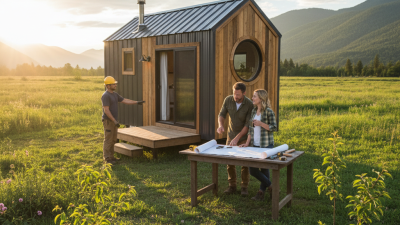
CUSTOMISE Your Tiny Home - Call us now!

What Are the Top 10 Tiny Mobile Homes in China?

China’s tiny mobile homes are no longer just compact boxes on wheels. Some pair insulated wall panels with fold-out decks; others use rooftop solar, generous windows, and clever storage beneath a raised bed. Their appeal is easy to picture: a quiet morning, tea by the window, and fewer rooms to clean. Still, a small footprint does not guarantee a comfortable home.

Tiny-home builder and educator Andrew Morrison has emphasized designing around everyday needs. Put simply: “Make every square foot work for real life.” This is a paraphrase, not a verified verbatim quotation. It offers a useful lens for comparing tiny mobile homes, where layout, ventilation, insulation, and storage matter as much as appearance.

This guide explores ten options available in China, looking at their design, practical features, and likely fit for different buyers. A family may value separate sleeping areas; a solo traveler might prefer a lighter, easier-to-tow model. Product specifications, availability, and prices can change, so confirm details with the manufacturer before making plans. And some listings show polished renderings but few interior measurements. That deserves a second look. The best choice is not always the smallest or most photogenic. It is the one whose real-world details match how you intend to live.
What Are the Top 10 Tiny Mobile Homes in China?

Understanding Tiny Mobile Homes in China

Understanding tiny mobile homes in China starts with a useful distinction: “mobile” can describe a home’s design, not how often it moves. Some units sit on road-legal trailers, while others are compact cabins or modular rooms transported by truck. Their foundations, utilities, and intended use can differ greatly.

Inside, every centimetre matters. A raised bed may leave space for storage drawers; a fold-down table can serve as a desk by day. Kitchens often use narrow counters and small appliances, while large windows help a compact room feel less enclosed. Still, clever furniture cannot fix poor ventilation or limited daylight. Small details count.

China’s varied climates and landscapes shape practical choices. Insulation, roof drainage, ventilation, and heating needs differ between humid southern areas and colder northern regions. Buyers should check transport limits, installation needs, access to water and power, and local requirements for land use. Rules and services may vary by location, so a “mobile” label does not guarantee easy placement. A tidy display model can look convincing, but daily routines may expose awkward storage or cramped circulation. I would inspect those details before judging a home by its floor plan alone.

How the Top 10 Homes Are Selected and Compared

To compare China’s ten tiny mobile homes fairly, I would start with verified specifications, not promotional photos. Each model should have a stated exterior size, usable floor area, empty weight, rated payload, and documented power and water systems. Missing figures count against a home; they are not harmless omissions.

The comparison should weigh five practical areas: space planning, structural and insulation details, mobility requirements, utility use, and total ownership cost. A narrow doorway or awkward stair can matter more than a glossy kitchen. The IEA’s 2023 Global Status Report for Buildings and Construction estimates that buildings used about 30% of global final energy in 2022. That makes insulation, window quality, and heating demand relevant comparison points, even for compact homes. Still, the IEA figure covers buildings broadly, not tiny mobile homes specifically.

For reliability, published dimensions and weights should be checked against technical documents, while energy claims need clear test conditions. Costs should include delivery, setup, maintenance, and likely replacements—not just the advertised purchase price. Compare like with like. A home with a larger floor plan may look superior, but only if its weight and transport needs remain practical. Some details will remain uncertain; that uncertainty should be stated, not smoothed over.

Top 10 Tiny Mobile Homes in China: Footprint Comparison

Representative mobile-home types compared by estimated exterior footprint (square metres)

Selection note: These are design archetypes, not a verified ranking of products sold in China. Footprints are calculated from the illustrative length and width shown in each label; actual dimensions vary by model.

The Top 10 Tiny Mobile Homes in China

The Top 10 Tiny Mobile Homes in China

There is no official national ranking of tiny mobile homes, and “tiny” has no single industry definition. This practical shortlist compares space efficiency, mobility, and likely travel uses. China’s Ministry of Culture and Tourism reported 4.89 billion domestic trips in 2023. That figure signals substantial travel activity, but does not measure demand for mobile homes.

The ten formats to consider are compact towable caravans, folding campers, teardrop trailers, truck campers, van conversions, micro motorhomes, detachable slide-in campers, modular cabin trailers, solar-equipped off-grid pods, and lightweight utility trailers fitted as living spaces. Each suits a different trip. A folding camper can be easier to store; a van conversion may handle narrow roads better. A cabin trailer offers more room, but needs a suitable tow vehicle. The order is practical, not definitive. “Tiny” remains a fuzzy label.

Tips: Check interior standing height, insulation, water storage, and towing weight before comparing layouts. The National Bureau of Statistics reported a 66.16% urbanization rate at the end of 2023 in its Statistical Communiqué. That context makes compact living relevant, but it does not prove mobile homes are right for every household. Measure a real doorway and bed area; floor plans can feel generous on paper.

Designs, Features, and Typical Uses

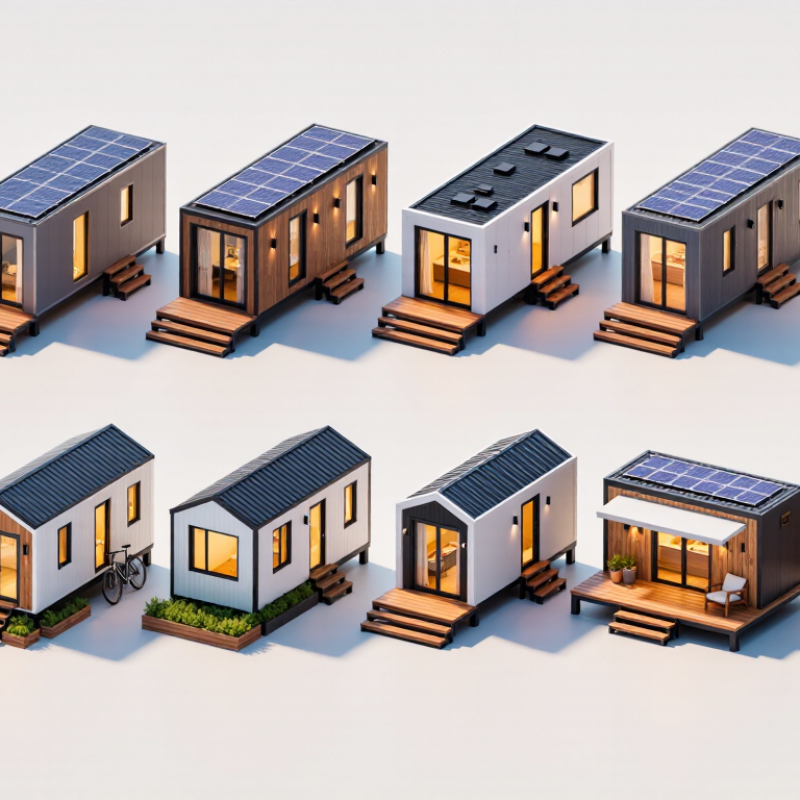
China’s tiny mobile homes range from towable cabins and expandable units to flat-pack pods, container-style rooms, and compact prefab cottages. Other common forms include timber-clad trailers, insulated steel cabins, modular courtyard rooms, capsule-like sleeping units, and converted buses. They are not interchangeable: weight, insulation, ventilation, and access needs differ. Small details matter. A shaded window can reduce afternoon heat, while a raised floor helps keep dampness away from bedding.

Typical uses include farm offices, countryside guest stays, temporary staff accommodation, roadside rest spaces, and small site offices. Towable cabins suit locations that need occasional relocation, but towing limits and road access require careful checking. Modular rooms can be easier to arrange in clusters, though delivery trucks need clear access. For overnight use, look for cross-ventilation, safe electrical installation, usable storage, and enough headroom near the bed. Ask about local permits and utility connections before ordering; requirements vary by site.

Space is never free. A fold-out design may gain floor area but can lose insulation at its joints. Steel shells are durable, yet they may feel hot or cold without suitable lining. I’d inspect a full-size sample if possible. Photos can hide awkward door swings and narrow steps. Even a clever layout can feel cramped after a rainy week indoors.

Costs, Regulations, and Buying Considerations

A tiny mobile home’s price depends on more than its floor area. A basic shell may cost far less than a finished unit with insulation, wiring, plumbing, and heating. Transport, crane hire, site preparation, and utility connections can add substantial expenses. Ask for an itemized quote, including delivery distance and installation. Keep a contingency fund; small projects can still surprise you.

Rules vary by location and intended use in China. A unit parked on private land may face different requirements from one used as a permanent residence or business. Check local land-use rules, construction approvals, fire-safety requirements, and utility permissions before paying a deposit. Get guidance from the relevant local authorities in writing where possible. Verbal assurances are easy to misunderstand.

Inspect the home in person if you can. Look closely at the chassis, welds, window seals, insulation, and signs of dampness. Open cabinets and check plumbing access. Bring a tape measure, and confirm the actual interior dimensions against the floor plan. Also ask how the unit will be transported and whether the route has height or access limits. Photos can hide awkward details. A beautiful layout may leave too little room for storage or maintenance.

What Are the Top 10 Tiny Mobile Homes in China? - Costs, Regulations, and Buying Considerations

An illustrative comparison of ten compact mobile or transportable-home types available in China. The ranking is by general practicality and variety, not by sales volume. Sizes and budgets are indicative planning ranges in RMB; actual specifications and prices vary by construction, equipment, location, and supplier.

Rank Type Typical interior area Indicative purchase budget (RMB) Mobility and typical use Key buying and compliance considerations
1 Compact campervan About 6–12 m² ¥150,000–¥450,000 Self-propelled; suited to road trips and occasional overnight stays. Check the base vehicle’s registration, insurance, seating and sleeping layout, payload, ventilation, and conversion documentation. A conversion does not automatically make a vehicle road-legal.
2 High-roof van conversion About 7–13 m² ¥120,000–¥380,000 Self-propelled; offers a compact living area while remaining relatively easy to park compared with larger motorhomes. Confirm standing height, insulation, electrical and water systems, permitted modifications, vehicle weight, and whether the completed vehicle’s configuration matches its registration documents.
3 Small motorhome About 12–24 m² ¥300,000–¥1,000,000 Self-propelled; typically includes a dedicated sleeping area, kitchenette, and basic washroom facilities. Check the vehicle’s approved classification, driving-licence requirements, dimensions, payload, maintenance access, and the availability of suitable parking and service points.
4 Pickup truck camper About 6–14 m² ¥180,000–¥650,000 Camper module carried by a pickup; some modules can be removed when not in use. Verify the pickup’s rated payload and axle limits, secure mounting, overall height, and whether the installed module affects the vehicle’s approved configuration or insurance cover.
5 Small towable caravan About 8–20 m² ¥80,000–¥400,000 Towed by a separate vehicle; suitable for campsite stays and slower travel between locations. Confirm trailer registration and road-use requirements, towing-vehicle capacity, coupling and braking equipment, total weight, and whether the intended route and campsite permit the combination.
6 Teardrop or micro-trailer About 3–7 m² ¥30,000–¥150,000 Lightweight towable unit, usually focused on sleeping; cooking and washing facilities may be external or separate. Check actual loaded weight, trailer documentation, towing compatibility, weather protection, ventilation, and the limited storage and living space before purchase.
7 Expandable or slide-out trailer About 12–25 m² when deployed ¥150,000–¥550,000 Towed while compact and expanded when parked; provides more living space than its travel footprint suggests. Inspect seals, hinges, slide mechanisms, leveling requirements, and wind and rain protection. Confirm that the expanded layout fits the permitted pitch or site.
8 Fifth-wheel-style caravan About 18–35 m² ¥250,000–¥900,000 Large towable home requiring a compatible towing vehicle and suitable turning and parking space. Confirm local availability of compatible vehicles and towing equipment, total combination weight, registration and licence requirements, and access to the intended sites.
9 Transportable modular cabin About 12–30 m² ¥80,000–¥350,000 Usually moved by truck or crane rather than driven on public roads; often used as a temporary cabin or site office. Ask whether the quoted price includes transport, lifting, foundations, insulation, wiring, plumbing, and installation. Transportability does not by itself authorize residential use on a site.
10 Container-style compact cabin About 12–30 m² ¥50,000–¥250,000 Factory-built or converted unit generally delivered to a site; best treated as a relocatable structure rather than a road vehicle. Check structural condition, condensation control, thermal performance, fire safety, utility connections, delivery access, and whether site planning and construction approvals are required.

How to interpret the budgets: These are broad indicative purchase ranges, not live quotations or a survey of every market offering. They may exclude taxes, delivery, towing equipment, registration, insurance, site preparation, utility connections, and optional appliances.

Road-use rules: A home described as “mobile” or “road-ready” is not automatically legal for public-road use. For self-propelled vehicles and trailers, verify applicable vehicle standards, registration, insurance, licensing, weight limits, and local operating requirements with the relevant authorities before purchase.

Site and land rules: A transportable unit is not automatically approved for permanent residential use. Planning, construction, land-use, fire-safety, utility, campsite, and local permissions may apply. Check the proposed site and intended use with the local authorities before paying a deposit.

Before signing: Request a written specification, itemized quotation, warranty terms, delivery and installation scope, and documentation showing the unit’s approved use and any required vehicle or site approvals.