Top Tips for Choosing Portable Tiny Homes for Your Needs?
Choosing the right portable tiny home can be overwhelming. With numerous options available, it's essential to make informed decisions. Expert Sarah Collins, an architect specializing in eco-friendly housing, states, "A portable tiny home should reflect your lifestyle and needs." This insight underscores the importance of personalization in tiny home design.
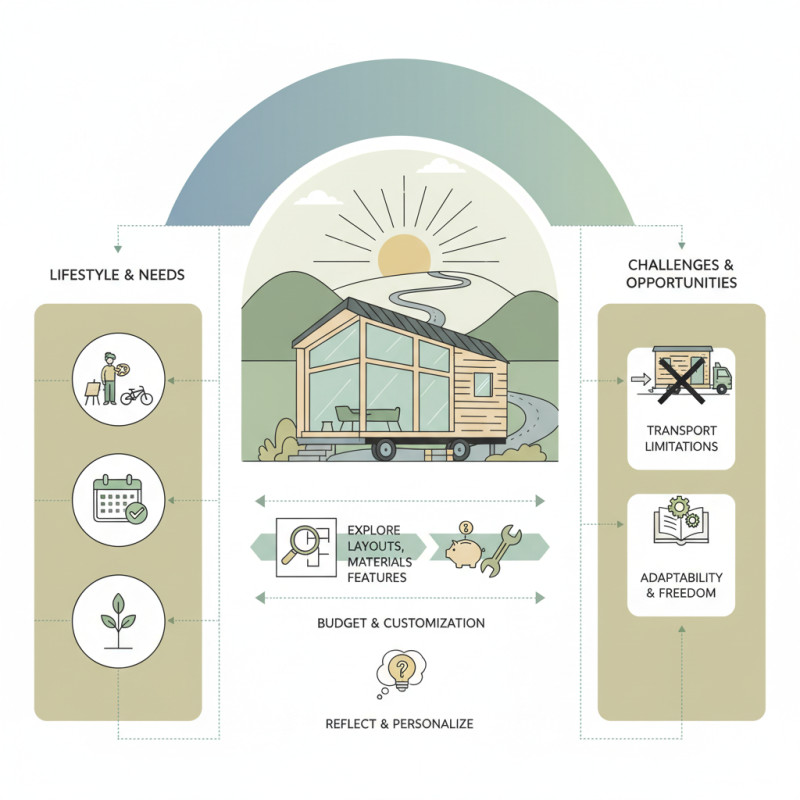
When considering portable tiny homes, think about your daily life. Do you need extra space for hobbies? Is mobility a priority? Each choice shapes your living experience. For many, these homes offer a way to simplify life. However, not every option suits everyone. Design flaws can lead to dissatisfaction. Explore various layouts, materials, and features before committing.
Portable tiny homes also present unique challenges. Transport capabilities may limit overall design. Budget constraints can restrict customization options. Yet, these homes provide a fresh perspective on living. They encourage adaptability and sustainability. Reflect on what truly matters to you in this journey. Your portable tiny home should be a genuine expression of your values and lifestyle.
Understanding Your Lifestyle Needs and Preferences
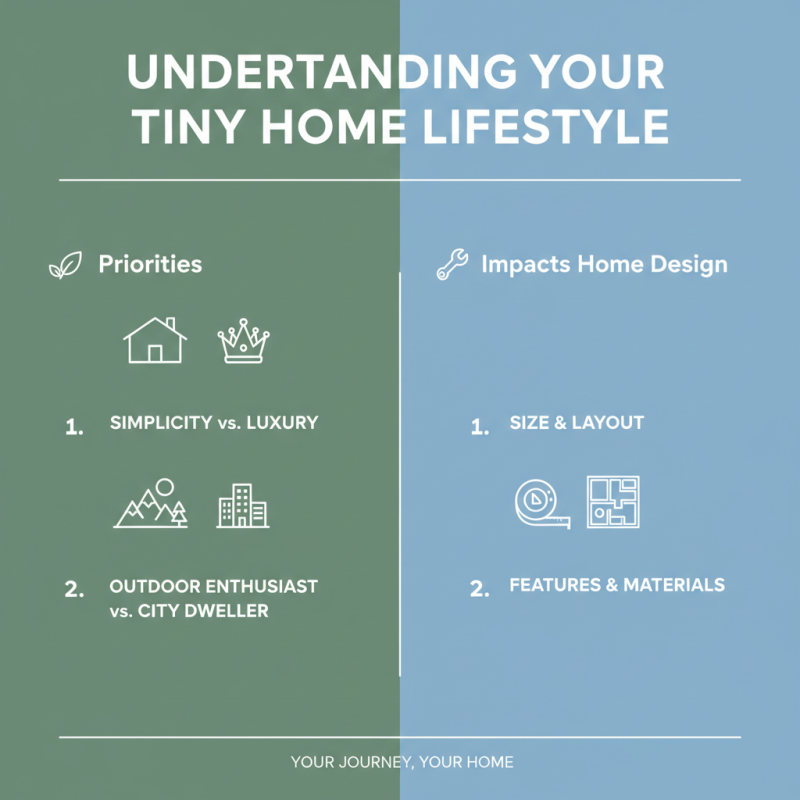
Choosing a portable tiny home is a personal journey. Understanding your lifestyle needs is crucial. Do you value simplicity or luxury? Are you an outdoor enthusiast or a city dweller? Each choice significantly impacts your home design.
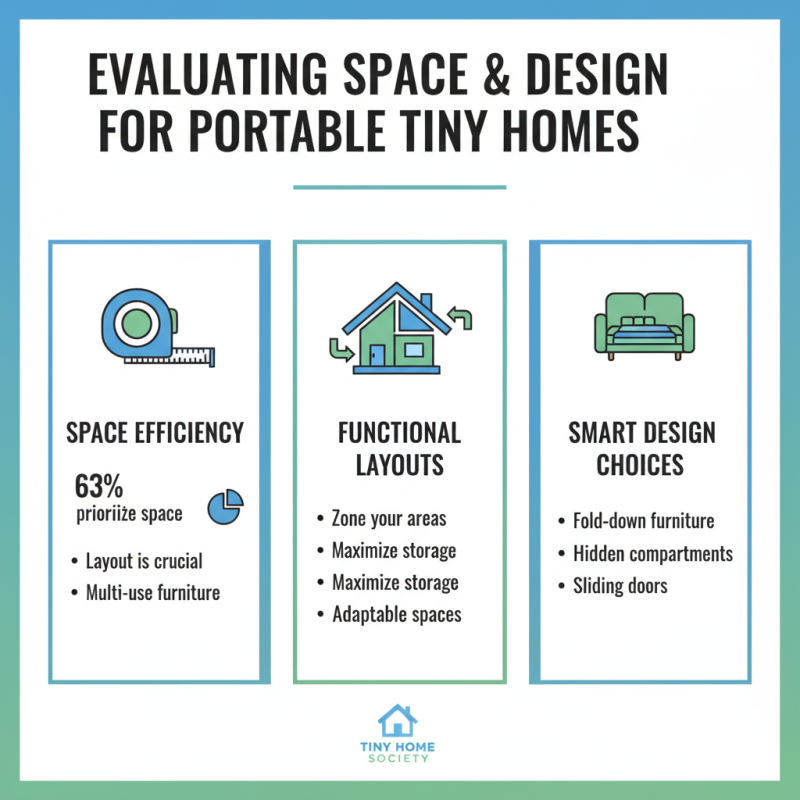
Consider your daily activities. If you work from home, prioritize a functional workspace. A compact desk and good lighting can make a huge difference. If you travel often, think about storage. You may need efficient solutions for clothes and tools.
Reflect on your daily habits. If you enjoy cooking, a well-designed kitchen is a must. But if you eat out often, focus on a cozy dining area instead. Recognize the trade-offs. Balancing comfort and functionality may require creativity. Ultimately, your home should reflect who you are.
Budgeting for Your Tiny Home: Costs and Financing Choices
When budgeting for a portable tiny home, it's crucial to consider all costs involved. The price tag of these homes can fluctuate significantly based on size, materials, and features. Many buyers overlook hidden expenses such as land purchasing, utility connections, and permits. These can add thousands to your initial budget. Knowing these variables early can help in making informed decisions.
Financing a tiny home is another area that requires careful thought. Traditional mortgages may not apply, leading many people to explore personal loans or savings. Consider your financial health before committing. It's wise to create a detailed financial plan that includes all potential expenses. In doing so, you can avoid unexpected burdens later on.
Many buyers also struggle with balancing desires and limitations. You may want premium finishes but have a tight budget. This often leads to compromises that may not meet your expectations. Reflect on what's essential versus what’s nice to have. This exercise sharpens your focus on truly important features in your tiny home.
Top Tips for Choosing Portable Tiny Homes for Your Needs
| Feature |
Details |
Estimated Cost |
Financing Options |
| Size |
200 - 400 sq ft |
$30,000 - $70,000 |
Personal loans, RV loans |
| Materials |
Wood, metal, sustainable options |
Varies by choice |
Cash, credit cards |
| Design |
Open floor plan, loft bedroom |
$5,000 - $15,000 |
Home equity loans |
| Utilities |
Plumbing, electricity, internet |
$2,000 - $10,000 |
Utility loans |
| Mobility |
Trailer vs. permanent setup |
$5,000 - $25,000 |
Financing options vary |
Assessing Portability: Size, Weight, and Transportation Factors
When choosing a portable tiny home, assessing the factors of size, weight, and transportation is crucial. The average weight of tiny homes can range from 2,000 to 14,000 pounds. This weight significantly impacts how easily the home can be transported. Research indicates that most light-duty trucks can safely tow up to 10,000 pounds, affecting your choices for a towing vehicle. If your tiny home exceeds this limit, you may need to consider a heavier-duty vehicle, which could increase cost and complexity.
Size matters as well. Many tiny homes are designed to fit within the legal limits for road travel, often measuring 8.5 feet in width and 13.5 feet in height. Not adhering to these dimensions may lead to difficulties obtaining permits. In fact, data shows that more than 50% of tiny home enthusiasts encounter legal challenges when navigating state and local regulations about size. A home that is too large might limit your mobility and accessibility.
Weight distribution is another critical aspect. If a tiny home is poorly balanced, it may sway during travel, causing unsafe driving conditions. Proper weight distribution improves safety and efficiency. Regularly checking the load and securing belongings within the home can mitigate the risks. Making informed decisions based on transportation factors is essential for a successful tiny living experience.
Researching Local Regulations and Zoning Laws for Tiny Homes
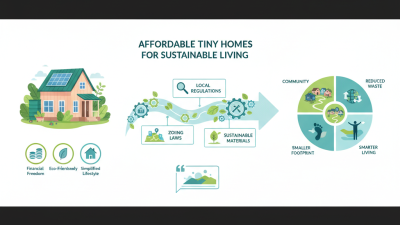
When considering a portable tiny home, understanding local regulations is crucial. Zoning laws vary widely. Some areas allow tiny homes on wheels, while others do not. Researching these rules can save you time and money. Engage with local authorities to clarify any uncertainties.
One practical tip is to visit local planning offices. Ask about permits and zoning for tiny homes. Some areas may require specific designs or foundations. This step helps you create a compliant home. Ignoring regulations could lead to fines or removal orders.
Connect with communities that specialize in tiny living. They can share valuable insights. Learn from others who navigated the same process. Their experiences can highlight common challenges and solutions. Stay aware of changes in regulations. Flexibility in your plans may be necessary as local laws evolve.
Top Tips for Choosing Portable Tiny Homes for Your Needs