Why Rent to Own Tiny Homes is the Best Housing Solution?
The concept of "rent to own tiny homes" is increasingly gaining traction in today's housing market. According to a recent report by the Tiny House Association, approximately 68% of tiny home owners express satisfaction with their living arrangements. This model provides individuals the opportunity to invest in property while enjoying flexibility, making it an appealing choice for many.
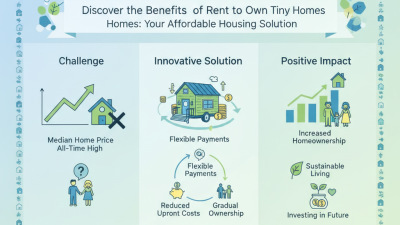
The growing housing crisis highlights the need for innovative solutions. Traditional homeownership often comes with high upfront costs, which can deter potential buyers. In contrast, rent to own arrangements allow prospective homeowners to transition gradually. The National Association of Realtors points out that the median home price has risen dramatically, making tiny homes an attractive alternative.
However, this model is not without its challenges. Potential renters should carefully assess their financial situation and the terms of their agreements. Transparency is key, and not all rent to own contracts are created equal. Understanding the details can lead to better decision-making. Overall, rent to own tiny homes represent a promising pathway for affordable living in an evolving real estate landscape.

Overview of Rent to Own Tiny Homes Concept
The concept of rent-to-own tiny homes is gaining traction as a viable housing solution. In recent years, the tiny home movement has captured attention due to rising housing costs and economic uncertainty. According to a recent study, approximately 38% of renters express interest in tiny homes as an affordable option.
Rent-to-own structures allow individuals to finance their homes while living in them. This unique model often requires a lower initial investment than traditional home buying. Moreover, mortgage approval can be daunting, with data showing that about 30% of potential buyers struggle with credit issues. Rent-to-own bypasses much of this friction, enabling more people to achieve homeownership.
The flexibility of tiny homes is appealing. They typically come with lower utility bills and maintenance costs. For instance, tiny homes can reduce energy consumption by up to 50%, according to a study by the National Association of Home Builders. However, some challenges exist, such as zoning regulations and space limitations. Local laws may not always accommodate tiny homes, which can create hurdles for potential buyers to consider. Understanding these complexities is essential in navigating this emerging housing trend.
Benefits of Rent to Own Models for Homebuyers
Rent to own tiny homes provides a unique opportunity for many homebuyers. This model is especially appealing for those who seek flexibility. It allows buyers to gradually invest in their future home without the pressure of traditional financing. The initial costs are often lower. This attracts individuals who may struggle with high down payments.
Homebuyers can enjoy a trial period in the tiny home. They can experience living in it while making payments. This arrangement often reveals if the space meets their needs. Not every tiny home feels spacious initially. It requires a thoughtful approach to downsizing and utilizing space effectively.
Additionally, rent to own models treat rent as an investment. A portion of the monthly payments contribute towards the eventual purchase. This can create a sense of ownership long before obtaining the deed. Yet, not everyone may embrace the idea of tiny living. It challenges conventional notions of space and comfort. Buyers should evaluate their lifestyle thoroughly before committing.
Financial Advantages of Tiny Homes in Rent to Own Agreements
Rent to own tiny homes offer unique financial benefits that appeal to many. According to a recent report by the U.S. Department of Housing and Urban Development, the average cost of a tiny home is less than $60,000, significantly lower than the median home price, which is above $400,000. This affordability makes tiny homes attractive, especially for young professionals or those with limited income.
With rent to own agreements, renters can invest in their future. They pay a monthly fee that contributes to the eventual purchase of the home. The National Low Income Housing Coalition reports that 51% of renters in the U.S. are cost-burdened, spending over 30% of their income on housing. Tiny homes reduce this financial strain. Renters often find that they can redirect their funds toward savings and personal goals, such as education or business ventures.
However, the concept isn't without challenges. Some find zoning regulations and land ownership issues daunting. Additionally, the smaller living space requires lifestyle adjustments. Potential tenants should carefully consider these aspects. Understanding local laws and their financial readiness is crucial for success in rent to own agreements.
Sustainability and Minimalism in Tiny Home Living
Tiny homes are the embodiment of sustainability and minimalism. They encourage a lifestyle that prioritizes essential living over material excess. With limited space, residents are prompted to carefully select their belongings. This focus on quality over quantity fosters a deeper appreciation for what truly matters.
Living in a tiny home also means reducing one's environmental footprint. These homes often require fewer resources to build and maintain. They consume less energy, heating, and cooling needs are minimal. This efficiency can lead to significant savings in utility costs. However, downsizing isn't easy for everyone. Letting go of possessions can be emotionally challenging. It requires self-reflection and a commitment to simplicity.
Designing a tiny home requires creativity and careful planning. Each square foot must be utilized wisely. Features like multifunctional furniture and smart storage can help maximize space. But this process can be frustrating. Residents may find it's tough to achieve the perfect balance between comfort and practicality. Embracing tiny home living involves both challenges and rewards, offering a unique lifestyle that promotes sustainability and mindfulness.
Comparative Analysis of Traditional Housing vs. Tiny Home Options
The debate between traditional housing and tiny homes is significant. Traditional homes often come with high costs, maintenance, and large utility bills, creating financial stress. Tiny homes, however, offer an affordable and flexible alternative. They require less space and resources, making them more sustainable. Rent-to-own options make tiny homes accessible to those seeking homeownership without the hefty price tags.
Living in a tiny home also promotes a simpler lifestyle. The limited space forces residents to prioritize their belongings and focus on experiences over possessions. However, this lifestyle change can be challenging. Some may struggle with downsizing and letting go of their material items. Moreover, zoning laws and financing for tiny homes can complicate the process, presenting barriers to potential users.
In the comparison, flexibility is a vital feature of tiny homes. They can be moved and customized easily, adapting to changing needs. Traditional homes often lack this adaptability. Yet, they provide a sense of permanence that tiny homes might not offer. This difference in lifestyle preferences shows that the choice between traditional housing and tiny homes is deeply personal, often reflecting one's values and circumstances.