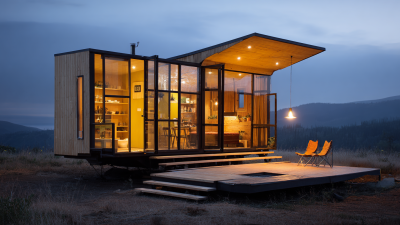
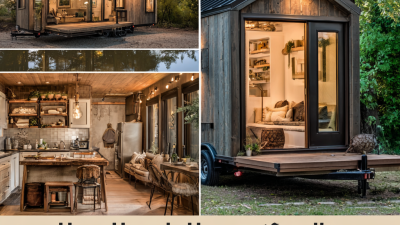
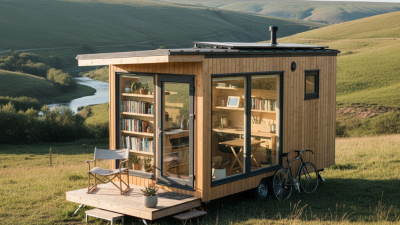
What is a Portable Tiny House and Why You Should Consider It?
Portable tiny houses are gaining popularity. They offer flexibility and affordability in housing solutions. According to Dr. Emily Richards, an expert in sustainable living, "Portable tiny houses allow individuals to reconnect with nature and simplify their lives."
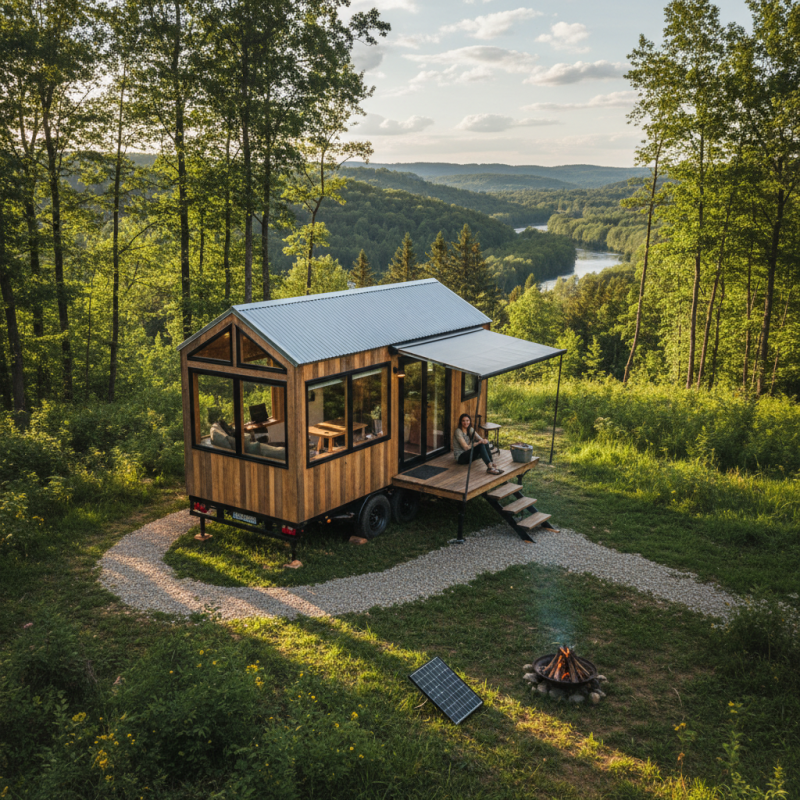
These unique homes come in various designs. Some are mobile, while others are semi-permanent. This versatility appeals to those seeking adventure. Living in a portable tiny house means embracing minimalist living. It encourages creative use of space, fostering a more intentional lifestyle.
However, there are challenges. Limited space can be constricting at times. Residents may face difficulties in downsizing belongings. It's essential to reflect on personal priorities when choosing this lifestyle. A portable tiny house can provide freedom, but it requires a shift in mindset.
What Defines a Portable Tiny House in Modern Housing Trends?
The portable tiny house trend is reshaping modern living. These compact structures provide flexibility and simplicity. According to a report from the Tiny House Association, 68% of tiny house owners express freedom from financial burdens. They often downsize to embrace minimalism and explore new lifestyles.
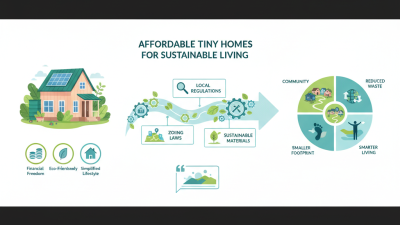
A defining feature of portable tiny houses is mobility. They offer the freedom to relocate with ease. Many people opt for vehicles or trailers to transport these homes to various locations. This lifestyle caters to those seeking adventure or a simpler way of life. However, challenges exist. Some zoning laws and building codes may limit where these houses can be parked.
Additionally, the average tiny house is just 400 square feet. This limited space requires careful planning. Storage solutions must be efficient and innovative. Many homeowners report feeling confined or struggling with clutter. Finding the right balance between minimalism and comfort can be tricky. Despite these hurdles, portable tiny houses signify a shift towards sustainable living and versatile spaces.
Key Benefits of Choosing a Portable Tiny House Over Traditional Homes
Portable tiny houses offer unique benefits over traditional homes. They are often more affordable, allowing for significant savings. This financial aspect can ease the burden of housing costs. Imagine living in a cozy space that costs a fraction of a typical mortgage. Many choose to downsize to minimize expenses.
Flexibility is another major advantage. Portable tiny houses can be moved to different locations. This allows residents to experience varying lifestyles. You might find joy in living by a lake one season, then in the mountains the next. However, frequent relocation requires careful planning. Logistics can become complicated and stressful.
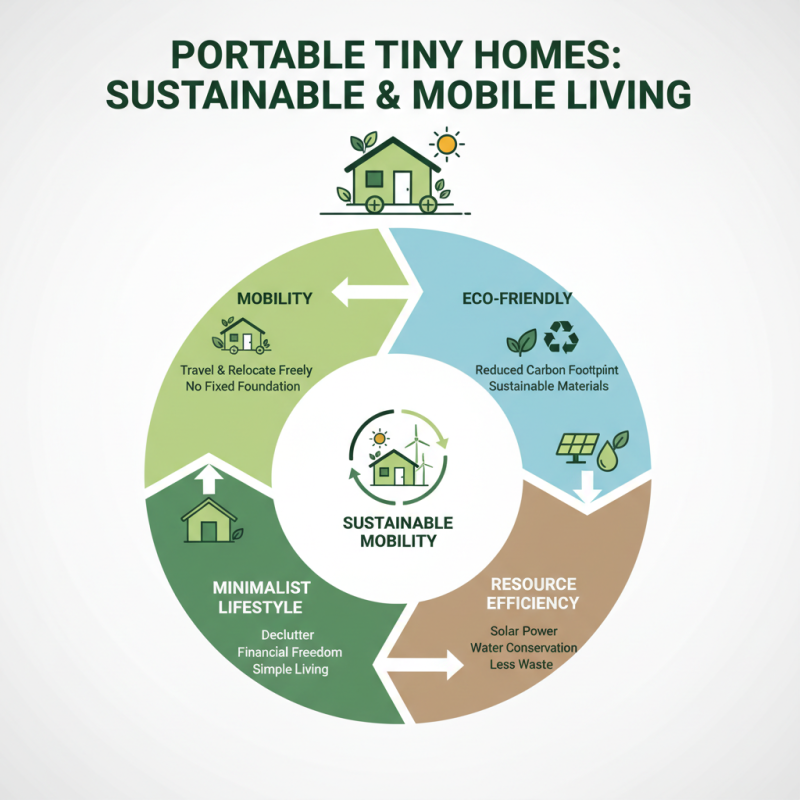
Sustainability is also a key factor. These homes often use eco-friendly materials. Energy-efficient designs reduce your carbon footprint. But, living in a compact space can lead to clutter. You may find it challenging to keep everything organized. It's essential to prioritize what truly matters in your life. In many ways, a portable tiny house encourages a more mindful lifestyle.
Market Growth: Statistics on Portable Tiny Houses in the Real Estate Sector
As urbanization accelerates, the demand for affordable housing rises. Portable tiny houses have emerged as a viable solution. According to industry reports, the tiny house market in the U.S. is projected to grow by 7% annually through 2025. This trend highlights a shift in consumer preferences toward minimalism and sustainability.
In 2021, the average cost of a portable tiny house was around $50,000. This is significantly lower than traditional homes. More people are seeking flexibility. However, the market is not without challenges. Zoning regulations vary widely, and finding suitable land can be complex. Some buyers express frustration over these hurdles, creating uncertainty in the purchasing process.
Despite the obstacles, the appeal of portable tiny houses is notable. They offer mobility, allowing individuals to relocate easily. Furthermore, energy-efficient designs are becoming more common. In a recent survey, 65% of tiny house owners reported reduced living costs. This statistic underscores the financial benefits. However, potential buyers should reflect on their lifestyle choices before committing.
Sustainability Aspects: Eco-Friendly Features of Portable Tiny Houses
Portable tiny houses represent a unique blend of mobility and sustainability. These homes are designed with eco-friendly features, making them an attractive option for environmentally conscious individuals. They often utilize recycled materials, reducing waste significantly. Many models include solar panels, allowing residents to harness renewable energy. This shift minimizes reliance on traditional power sources.
A key aspect is water conservation. Tiny houses frequently incorporate rainwater collection systems. These systems help reduce the strain on local water supplies. Additionally, efficient appliances are common. They consume less energy and water, promoting a sustainable lifestyle.
Tips: Consider choosing sustainable materials when building or buying a portable tiny house. Always research local regulations before relocating. Reflect on how much space you really need. Downsizing can be a challenge, but it fosters creativity and simplicity. A smaller footprint often leads to a lower impact on the planet. Embracing this lifestyle can be transformative, even with its imperfections.
Cost Analysis: Comparing the Financials of Portable Tiny Houses vs. Regular Homes
Portable tiny houses are gaining popularity for several reasons. They offer a flexible lifestyle at a lower cost. The initial investment is often much less than traditional homes. On average, a portable tiny house can cost between $30,000 to $75,000. In contrast, the average cost of a standard home often exceeds $300,000. This significant price gap is tempting.
Maintenance costs are also lower for portable tiny houses. Utilities such as heating and cooling are typically reduced due to smaller spaces. However, living in a tiny house requires careful planning. Storage space is limited, and downsizing can be a challenge. People must evaluate what items they truly need.
Though the financial benefits are clear, lifestyle changes are substantial. Many find it refreshing, while others struggle. Relationships may be tested with limited space. Reflecting on your needs is crucial before deciding. Weighing the pros and cons could lead to surprising insights about what home means.
Cost Analysis: Comparing the Financials of Portable Tiny Houses vs. Regular Homes
| Category |
Portable Tiny House |
Regular Home |
| Average Cost |
$30,000 - $70,000 |
$300,000 - $500,000 |
| Size |
100 - 400 sq ft |
1,000 - 2,500 sq ft |
| Maintenance Cost (Annual) |
$1,200 |
$3,500 |
| Utilities (Monthly) |
$120 |
$300 |
| Mobility |
Portable |
Stationary |
| Environmental Impact |
Lower |
Higher |