What Is Flame Retardant Polyester Used For?
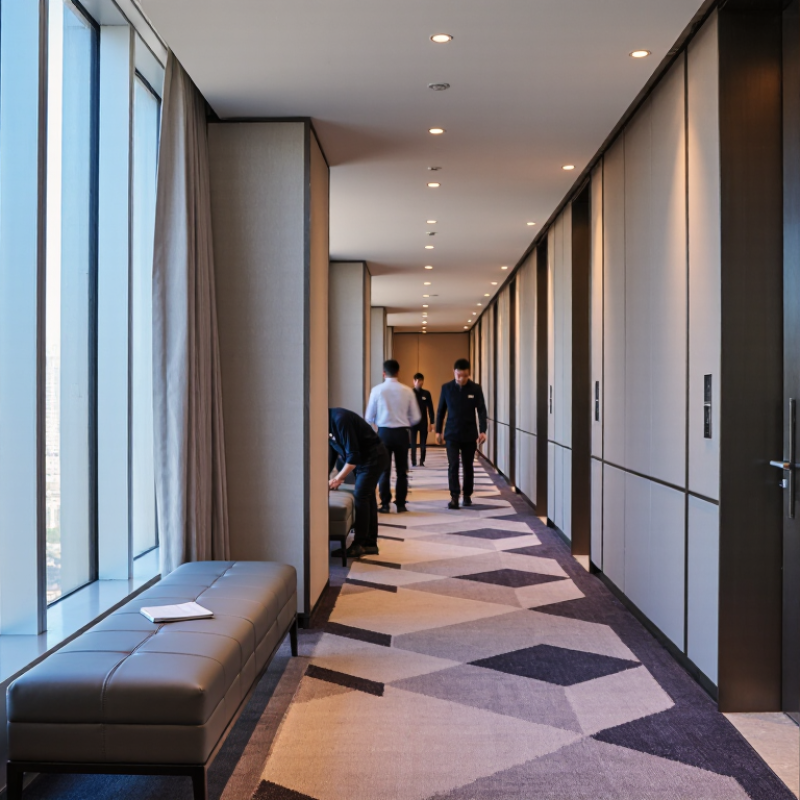
Flame Retardant Polyester is used where fabrics must balance appearance, durability, and improved resistance to ignition. It appears in curtains, upholstery, mattresses, carpets, workwear, and protective interior textiles. Hotels, theaters, hospitals, offices, and public transport systems often select these materials for controlled environments. In a busy hotel corridor, for example, the fabric may face heat, friction, stains, cleaning chemicals, and daily contact. Its value depends on more than the fiber name.
Some Flame Retardant Polyester is produced with additives during fiber manufacturing. Other versions receive a surface treatment after weaving. This difference affects durability, maintenance, softness, and performance after repeated washing. Manufacturers normally test fabric samples under specified conditions, including ignition behavior, flame spread, smoke, and afterflame time. Testing should match the product’s final use. A curtain test cannot automatically represent an aircraft seat or a protective garment.
It is not a magic solution. The material may slow flame development, but it does not make a room fireproof. Results can change with fabric weight, construction, dyeing, dirt, moisture, and installation methods. That distinction is easy to overlook. Reliable selection requires technical data, care instructions, supplier documentation, and independent testing when risk is significant. Buyers should also verify relevant regional standards before specifying the fabric. In practice, Flame Retardant Polyester is best understood as one part of a broader fire-safety strategy, not a substitute for alarms, evacuation planning, or responsible building design. Its performance can be impressive, but expectations must remain realistic.
What Is Flame-Retardant Polyester?
What Is Flame Retardant Polyester Used For?
What Is Flame-Retardant Polyester?
Flame-retardant polyester is a polyester fiber engineered to resist ignition and slow flame spread. It may use additives during polymer production or a later chemical finish. Inherently modified fibers usually retain their performance after repeated washing. Treated fabrics can lose effectiveness through abrasion, heat, or unsuitable cleaning. The difference matters.
The fiber is used in curtains, upholstered seating, mattresses, carpets, workwear, transport interiors, and acoustic panels. Picture a hotel curtain near a lamp or a train seat exposed to daily friction. Flame-retardant polyester can reduce rapid flame growth in these situations. It does not make fabric fireproof. That wording is often misunderstood.
Textile Exchange’s 2024 Materials Market Report estimated global fiber production at about 124 million tonnes in 2023. Polyester accounted for roughly 57% of that volume, showing its broad industrial reach. Fire performance still depends on construction, thickness, ventilation, and ignition source. A dense fabric may behave differently from a lightweight mesh.
Testing should match the intended application. Common references include NFPA 701 for certain textile products, ASTM E84 for surface-burning behavior, and EN 13501-1 for construction classifications. Passing one test does not guarantee performance elsewhere. This is where product claims need careful review. A certificate is evidence, not a promise. Manufacturers should verify test dates, fabric composition, laundering conditions, and installation details before specifying the material.
How Does Flame-Retardant Polyester Work?
What Is Flame Retardant Polyester Used For?
Flame-retardant polyester is used in curtains, upholstery, workwear, transport interiors, and protective covers. How does flame-retardant polyester work? Its protection starts when heat reaches the fabric. Ordinary polyester can soften, shrink, and feed a flame. Modified polyester reacts differently. It may form a protective carbon layer, release non-flammable gases, or reduce the fuel available to the fire. The exact reaction depends on the fiber design and chemical treatment.
Some flame retardants are built into the polyester during production. Others are applied as finishes after weaving. Built-in protection usually lasts longer because washing cannot remove it as easily. During testing, technicians examine ignition time, flame spread, afterflame, and melting behavior. A small fabric sample is placed near a controlled flame. Real rooms are less predictable. Air movement, seams, dust, and nearby materials can change the result.
The fabric does not become fireproof. That distinction matters. Flame-retardant polyester can slow ignition and limit flame growth, giving people more time to respond. It cannot replace alarms, safe wiring, ventilation, or careful installation. I would also avoid trusting a label without checking its test method and washing conditions. Performance may decline after abrasion, repeated cleaning, or an unsuitable finish. The material helps, but it is only one part of fire protection.
What Are the Main Uses of Flame-Retardant Polyester?
Flame-retardant polyester is used where textiles may meet sparks, radiant heat, or sudden flame. Its main role is to slow ignition and limit flame spread, not to make fabric fireproof. In workwear, it appears in coveralls, jackets, and protective trousers for electrical, welding, and industrial environments. A technician may need fabric that resists brief flame exposure while remaining light enough for long shifts. Comfort still matters.
The material is also common in curtains, stage drapes, wall coverings, and upholstered seating. These applications matter in theaters, hotels, schools, offices, and transport interiors. A flame-retardant curtain can help reduce rapid fire growth near windows or public exits. Polyester fibers also accept color well and keep their shape after repeated handling. However, performance depends on construction, coating, and cleaning methods. A treated fabric may lose protection after harsh washing.
Manufacturers use flame-retardant polyester in mattress covers, bedding components, acoustic panels, and some filtration products. In vehicles and rail cabins, it can appear in seat fabrics, privacy curtains, and interior trim. Testing should match the final product, thickness, seams, and installation method. A certificate alone is not enough. Small details matter. I would question any specification that promises universal protection. Heat, oxygen, fabric density, and maintenance can change the result, so buyers should review current test data and care instructions with a qualified textile or fire-safety professional.
What Benefits and Limitations Does It Have?
What Is Flame Retardant Polyester Used For?
Flame retardant polyester is used where fabrics must resist ignition and slow flame spread. Common applications include curtains, upholstery, mattresses, transport interiors, protective workwear, and industrial covers. In a room, it may delay a chair fabric from catching fire after contact with a small flame. That extra time can support evacuation and emergency response.
Its main benefit is built-in or durable flame resistance. The protection may remain after repeated washing, depending on the fiber design and fabric construction. Polyester also offers good strength, color retention, wrinkle resistance, and moisture tolerance. These qualities suit busy hotels, hospitals, theaters, and public vehicles. It dries quickly, too. That matters in daily maintenance.
It is not fireproof. High heat can still melt polyester, shrink the fabric, or produce smoke and gases. Performance also changes with fabric weight, weave, coatings, seams, and contamination. A certified fabric can perform differently after harsh laundering or unauthorized chemical treatment. Testing should therefore match the final product, not only the raw fiber. Environmental concerns deserve attention as well. Some flame-retardant treatments complicate recycling, while melting polyester can create serious burn injuries. A technical data sheet may look reassuring, but it cannot replace application-specific testing. That distinction is easy to miss. Cost, comfort, breathability, and end-of-life handling may also suffer when maximum flame resistance becomes the only design goal.
How Is Flame-Retardant Polyester Selected and Maintained?
Flame-retardant polyester is used where fabrics must resist ignition and slow flame spread. Common applications include curtains, upholstery, mattresses, protective workwear, and transport interiors. It is also chosen for public spaces because it dries quickly and keeps its shape. However, flame resistance does not mean the fabric cannot burn.
Selection should begin with the final environment. Check heat exposure, cleaning frequency, abrasion, moisture, and human contact. Inherently flame-retardant polyester keeps its performance within the fiber structure. Treated polyester may depend more heavily on washing and chemical stability. Ask for test reports that match the intended use, not only a general product certificate. Testing methods differ, and one result cannot predict every real situation.
Feel the fabric and inspect its surface. A stiff finish may indicate treatment, but touch alone proves little. Request fiber content, care instructions, test dates, and performance limits from a qualified supplier. During maintenance, follow the stated washing temperature and avoid unapproved bleach or harsh solvents. Remove grease quickly, since residue can change burning behavior. Inspect seams, coatings, and worn areas every few months. Small defects matter. A practical checklist can still miss damage hidden beneath padding, so periodic professional inspection is wise.
What Is Flame-Retardant Polyester Used For?
Flame-retardant polyester is commonly used in upholstery, curtains, bedding, public-transport interiors, protective workwear, and industrial textiles. Selection should consider flame performance, washing durability, smoke generation, comfort, certification requirements, and the intended end use.
The chart presents a practical 1–5 selection priority score for common applications, where 5 indicates that the property is especially important. Actual requirements depend on local regulations, test methods, fiber construction, fabric weight, coating systems, and end-use conditions.
Selection and Maintenance Guidance
Choose a polyester construction that has been tested for the applicable standard, such as vertical flammability, upholstery, transport, or protective-clothing requirements. Check whether the flame-retardant performance is inherent in the fiber or applied as a finish. Follow the specified washing temperature, detergent limitations, drying method, and ironing instructions. Avoid unauthorized re-treatment, excessive heat, chlorine bleach, and contamination by oils or other flammable substances, as these can reduce performance.


