10 Tips to Embrace the Tiny House Movement Effectively
The tiny house movement has gained momentum in recent years, appealing to those seeking simplicity and sustainability. According to Andrew Odom, a well-known advocate in this space, “Living simply is the key to a fulfilled life.” His words resonate deeply with many who are drawn to this lifestyle.
Embracing the tiny house movement is not just about downsizing. It requires a shift in mindset. People must confront their attachment to material possessions. Minimalism can be uncomfortable but liberating. Each choice must be intentional, focusing on what truly matters.
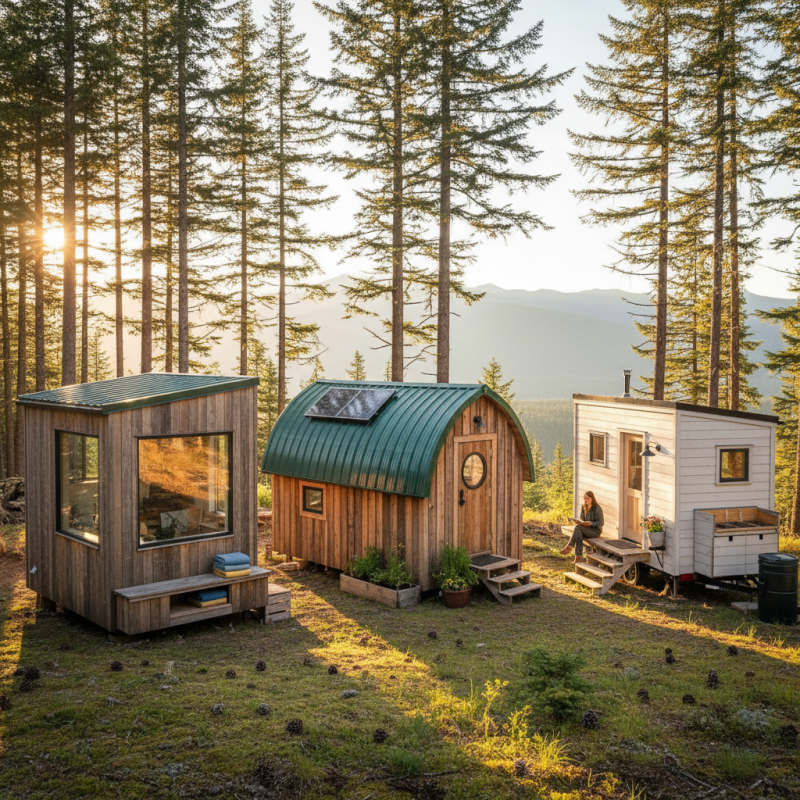
Every tiny home tells a story. Compact spaces can inspire creativity and innovation in design. However, it’s essential to recognize the challenges. Limited space often leads to difficulties in storage and organization. The transition to this lifestyle isn’t always smooth. Reflecting on these elements helps individuals find their path within the tiny house movement.
Understanding the Core Principles of the Tiny House Movement
The Tiny House Movement centers around simplicity and environmentally-conscious living. The idea is to minimize one's footprint while maximizing space utility. Data from the National Association of Home Builders shows that tiny homes typically range from 100 to 400 square feet. This limited space encourages creativity in design and functionality. Many people find this smaller living encourages a focus on experiences rather than possessions.
However, embracing this movement isn't without its challenges. The transition can be mentally and emotionally taxing. Many find it difficult to let go of belongings accumulated over years. Moreover, zoning laws in some areas can complicate the placement of tiny homes. A study conducted by the American Institute of Architects indicates that only 38% of tiny house owners believe local regulations support their lifestyle choices. Reflecting on these aspects is crucial before diving into tiny living.
Living in a tiny home means rethinking daily routines. The efficiency of space usage can revolutionize how activities are performed. Yet, it’s essential to recognize that this lifestyle isn’t for everyone. Some may find the transition too restrictive. A little introspection can help determine if the philosophy aligns with personal values. Embracing the tiny house movement isn't just about the physical space but also the mindset.
Assessing Your Lifestyle Needs Before Downsizing
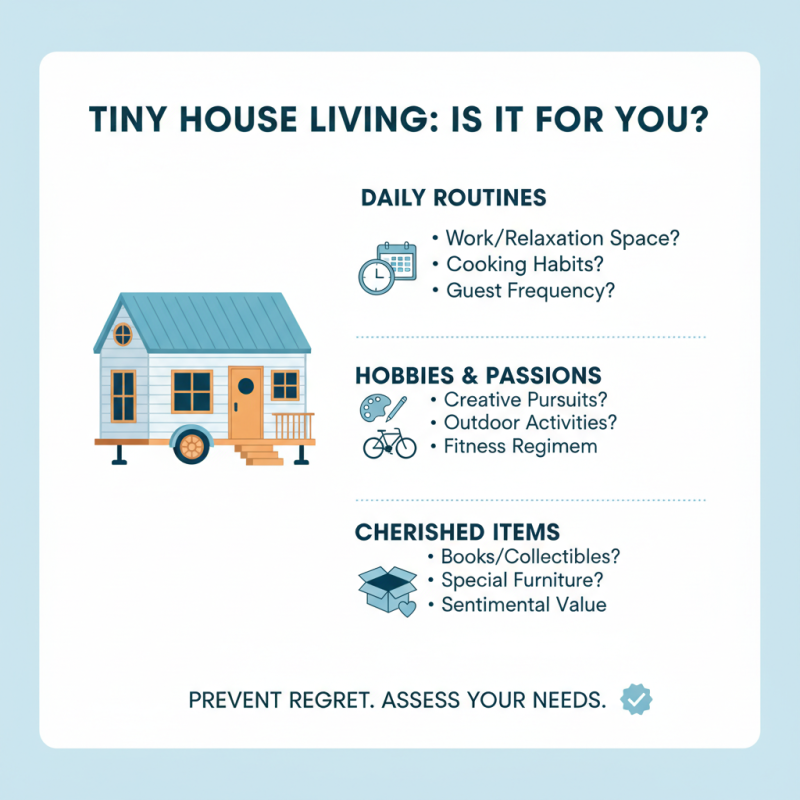
Before diving into the tiny house movement, it’s crucial to assess your lifestyle needs. Think about what you truly need in a living space. Will downsizing enhance or hinder your daily activities? Consider your routines, hobbies, and any personal items you cherish. This approach can prevent regret later.
Reflect on your must-haves versus nice-to-haves. Space for a home office? Room for hobbies? Or simply a cozy nook for reading? Write down your priorities. This list can guide you in choosing the right tiny home layout. Don’t forget about storage solutions. You might think you need less, but you may be surprised by what you want to keep.
Embrace simplicity. Aim to declutter before you move. Let go of items that no longer serve you. However, this can be a tough emotional process. You might feel attached to certain things. Be honest with yourself. Realizing what brings value can sharpen your focus on your goals.
Choosing the Right Tiny House Design for Your Goals
Choosing the right tiny house design is essential to align with your lifestyle goals. Start by determining your needs. Consider how much space you truly require. A well-thought-out layout can make a small area feel larger. Open floor plans often enhance flow and functionality.
Think about how you intend to use your tiny house. Will it be a permanent residence or a weekend retreat? Functional spaces, like a compact kitchen or multi-purpose furniture, can maximize usability. However, it’s crucial to avoid overcrowding. Too much furniture can create chaos. You might find yourself wishing you had made different choices.
Reflect on your personal style and preferences. A design that feels too trendy may not support long-term satisfaction. Classic or simple designs can often stand the test of time. Embrace imperfection in your space. Consider challenges, such as storage solutions or energy efficiency. The right design will evolve with you, but it may take time to find the perfect balance.
Maximizing Space and Functionality in a Tiny Home
Embracing the tiny house movement requires inventive approaches to space and functionality. According to the American Tiny House Association, about 68% of tiny house owners feel financially secure. Maximizing space is crucial, and this means being strategic about storage solutions. Multi-functional furniture can transform a tiny area. A bed that folds into the wall or a table that doubles as a workspace can save significant space.
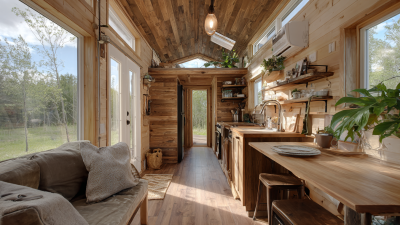
Utilizing vertical space is another vital strategy. Floating shelves and high cabinets can free up floor area. Many tiny house dwellers also repurpose unused areas, like the space under stairs. This under-utilized space can become a cozy reading nook or extra storage. However, it’s easy to overpack these tiny homes, which can lead to chaos. The balance between functionality and comfort is delicate, and too many items can make even a small home feel cramped.
The minimalist aspect of tiny living encourages reflection on what is truly necessary. People often find themselves clinging to items that no longer serve them. Regularly reassessing your possessions can cultivate a sense of freedom. When space is at a premium, each item should have a purpose. This mindset shift can be challenging but ultimately rewarding.
Building a Sustainable Community Around Tiny Living
The tiny house movement emphasizes sustainability and community. With the average size of American homes reaching over 2,500 square feet, tiny homes offer a striking alternative. On average, a tiny home measures around 400 square feet. This creates an opportunity for individuals to reconsider their living space.
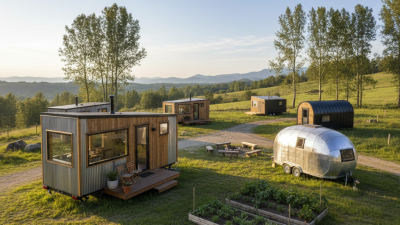
Building a sustainable community around tiny living requires effort. Many tiny home residents report feeling isolated. A 2021 survey found that 58% of tiny home dwellers seek social connectedness. Collaborating with others in your community can nurture this connection. Shared gardens, community workshops, or even book clubs can help forge bonds.
Tiny living isn’t just about downsizing; it’s about prioritizing meaningful relationships. Some critics argue that tiny homes can lead to a transient lifestyle. This transient nature might affect stability, especially for families. Embracing this movement means acknowledging these challenges. Finding balance is essential. Engaging residents in community decisions can lead to better outcomes. Ultimately, the goal is to create a supportive network that understands tiny living’s purpose, not just its appeal.