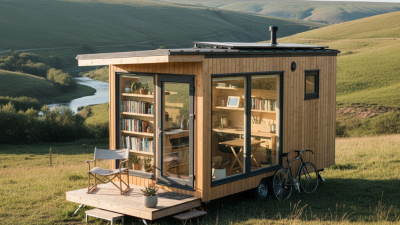
2026 How to Choose the Best Tiny House on Wheels?
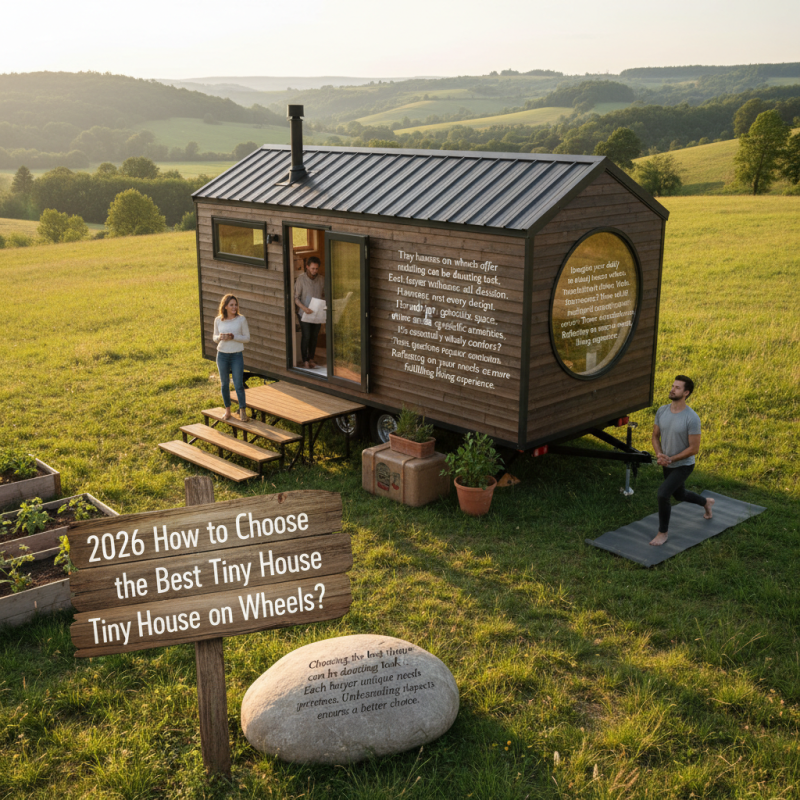
Choosing the best tiny house on wheels can be a daunting task. Many factors influence this decision. Each buyer has unique needs and preferences. Understanding these aspects ensures a better choice.
Tiny houses on wheels offer mobility and minimalist living. However, not every design suits all lifestyles. Some might prioritize space, while others seek specific amenities. It’s essential to reflect on what truly matters to you.
Imagine your daily routine in a tiny house on wheels. Will you have enough storage? How will the layout impact your comfort? These questions require careful consideration. Reflecting on your needs ensures a more fulfilling living experience.
Understanding Tiny Houses on Wheels: Key Features to Consider
Choosing the right tiny house on wheels involves careful consideration of several key features. Size and layout are paramount. Most tiny houses range from 100 to 400 square feet, with designers often maximizing space efficiency. According to a recent industry report, about 70% of tiny house owners prioritize functionality over size. An open floor plan can enhance the feeling of spaciousness, making it crucial to visualize living arrangements before finalizing your choice.
Next, insulation is a critical factor to keep in mind. A report from the Tiny Home Industry Association highlights that proper insulation affects energy consumption by 30%. Tiny homes can heat up quickly but may also lose heat rapidly if not properly insulated. Pay attention to materials used in construction and seek options that offer energy efficiency. Windows should also be high-quality and strategically placed to ensure natural light and ventilated air flow.
Plumbing and electrical setups are often overlooked but necessary. Issues may arise with installation or maintenance down the line. An inexperienced buyer may underestimate the complexity of these systems. Additionally, consider the source of water and electricity. Off-grid living offers independence but requires planning. This aspect can often lead to unexpected challenges. Understanding these complexities will help in making informed decisions.
Key Features to Consider When Choosing a Tiny House on Wheels
Evaluating Space and Layout Options for Your Tiny House
When considering a tiny house on wheels, evaluating space and layout options is crucial. According to a 2022 report by the Tiny Home Industry Association, around 70% of tiny house owners prioritize functional layouts that maximize space. This trend highlights the importance of smart design in such compact living environments.
Many tiny homes range from 100 to 400 square feet. The most effective layouts often include multi-functional furniture. For example, a sofa that converts into a bed can save valuable space and add flexibility. In small areas, the placement of windows and doors significantly impacts how light enters the home. Natural light can make a tiny house feel larger and more inviting.
Another consideration is vertical space. Using shelves and overhead storage can help declutter. However, some owners find it challenging to reach higher areas. This can create a sense of neglect for items stored out of reach. Overall, evaluating layout options in a tiny house requires careful thought. You've got to balance aesthetics and functionality while ensuring comfort and accessibility.
2026 How to Choose the Best Tiny House on Wheels? - Evaluating Space and Layout Options for Your Tiny House
| Feature |
Description |
Pros |
Cons |
Recommended Size |
| Sleeping Loft |
Raised area for a bed, maximizing floor space. |
Efficient use of vertical space, cozy feel. |
Can be hard to access; may be cramped for tall users. |
80-120 sq ft |
| Fold-out Sofa |
Dual-purpose furniture serving as seating and bed. |
Space-saving and functional. |
Less comfortable for sleeping than a dedicated bed. |
60-90 sq ft |
| Kitchenette |
Compact kitchen area with essentials for cooking. |
Maximizes functionality in a small space. |
Limited storage and counter space. |
30-50 sq ft |
| Bathroom |
Compact washroom with shower, toilet, and sink. |
Necessary for comfort and privacy. |
Can take up valuable living space. |
25-40 sq ft |
| Expandable Sections |
Areas that can be extended when parked. |
Increased living space when stationary. |
Complicated setup and may require permits. |
Varies based on design |
Assessing Mobility: Wheel Size and Trailer Quality
When assessing mobility in tiny houses on wheels, wheel size and trailer quality are paramount.
Larger wheels, typically 15 inches or more, enhance maneuverability. The National Association of Home Builders has reported that
larger wheels improve ground clearance and stability. This is crucial when navigating uneven terrains, which can be common for tiny house dwellers.
However, larger wheels often come with increased friction, potentially impacting fuel efficiency during towing.
Trailer quality also plays a vital role. A durable trailer frame ensures that the tiny house remains secure while on the move.
According to a recent report from the Tiny House Industry Association, nearly 30% of tiny house owners experienced structural issues due to inadequate trailer support.
This highlights the importance of choosing a reliable foundation. Additionally, a strong coupling system can reduce swaying and enhance towing safety.
Reflecting on these factors is critical, as opting for lower-quality options may lead to costly repairs down the line.
Budgeting for Your Tiny House: Costs Beyond the Purchase Price
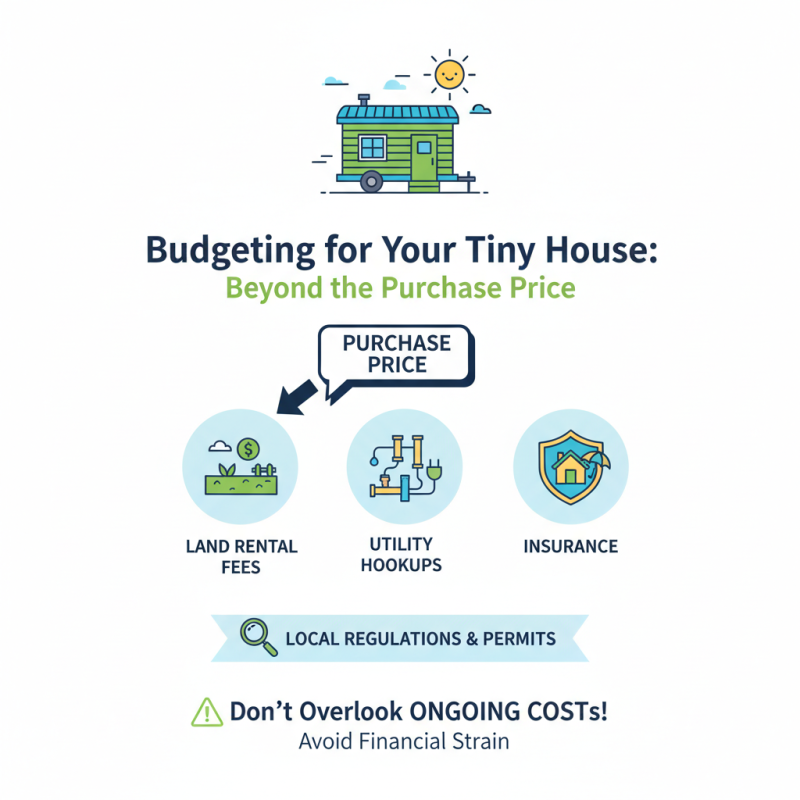
When budgeting for your tiny house on wheels, consider costs beyond just the purchase price. The initial expense can be enticing, but hidden costs often emerge. These may include land rental fees, utility hookups, and insurance. Research local regulations to avoid unexpected fines. Many owners overlook these ongoing costs, leading to financial strain.
Maintenance is another crucial aspect. Tiny homes require care, just like any house. Materials can break down over time, and repairs can be costly. Allocate funds for regular upkeep. Structural integrity is vital in a tiny house, and neglect can lead to larger issues. Be prepared for these challenges, as they can impact your daily living experience.
Consider the cost of furnishings and appliances. Many tiny homes come without built-in amenities. You may need compact furniture and efficient appliances, which can be pricey. Shop around; quality items can last longer. Remember to balance your budget with your needs. Tiny living is not just about saving money; it’s about creating a life that works for you.