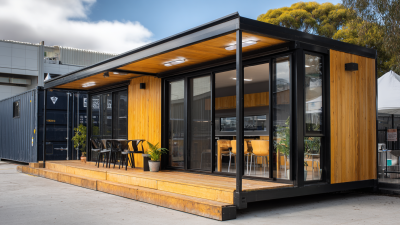
How to Choose the Best Portable Homes for Your Needs?
Choosing the right portable homes for your lifestyle can be overwhelming. Experts like Sarah Thompson, a leading authority in the portable homes industry, advocate for careful consideration. “Your home should reflect your life, even if it's portable,” she says. This advice highlights the importance of aligning your choice with your personal needs.
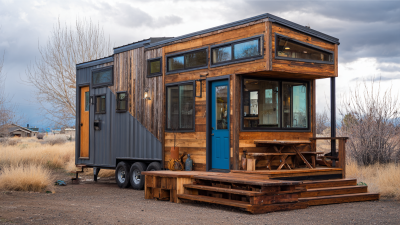
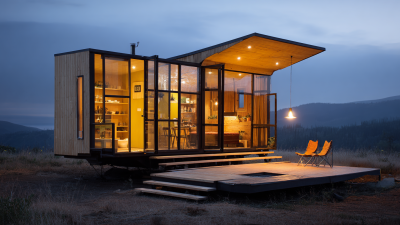
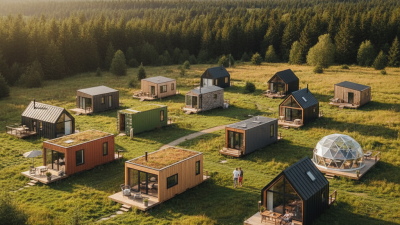
Portable homes come in many styles and sizes. Some prioritize mobility, while others focus on comfort and utility. It's essential to assess what features matter most to you. For example, a family with young children may require more space and safety features, while a single traveler might prioritize lightweight design. Your choices can lead to satisfaction or regret.
Navigating the options is not always straightforward. Disregarding practical aspects like budget and space can lead to mistakes. Many fall for stylish designs that lack functionality. Reflect on your lifestyle and needs before making a decision. The right portable home should offer both comfort and practicality, shaping a more fulfilling living experience.
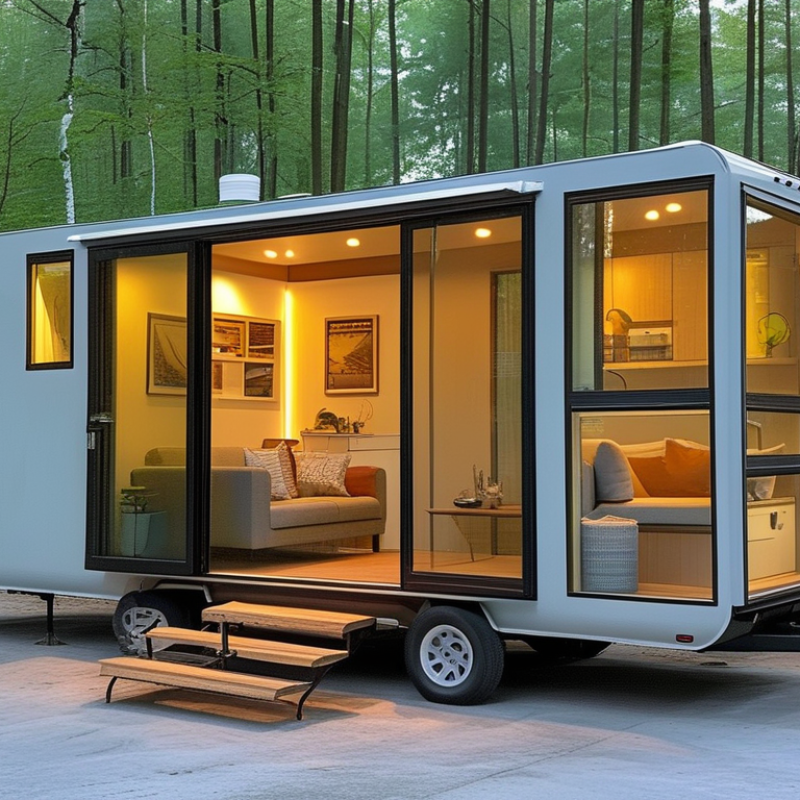
Understanding Your Space Requirements for Portable Homes
Understanding your space requirements is crucial when choosing portable homes. Begin by evaluating your lifestyle. Do you often travel alone, or do you need space for family? Consider how many rooms you require. This will help narrow down your options. A single person might opt for a compact studio. A family may need multi-room layouts.
Next, think about your daily activities. Do you work from home? An adequate workspace is essential. If you enjoy cooking, a functional kitchen is a must. Measure your preferred furniture and layout. Floorspace can be limited in portable homes, so plan accordingly to avoid a cramped feel.
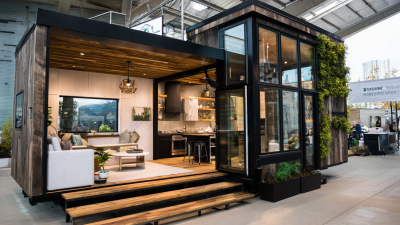
Reflect on additional features you may want. Outdoor space is valuable for relaxing or entertaining. Some might prioritize eco-friendly amenities, while others seek comfort. Personalize your choices with these considerations in mind. Avoid rushing the decision. A portable home should complement your lifestyle and needs.
How to Choose the Best Portable Homes for Your Needs? - Understanding Your Space Requirements for Portable Homes
| Home Type |
Size (sq ft) |
Number of Bedrooms |
Bathroom Options |
Est. Price Range |
| Tiny House |
100 - 400 |
1 |
1 (Full Bath) |
$20,000 - $60,000 |
| Park Model |
300 - 600 |
1-2 |
1 Full, 1 Half |
$30,000 - $75,000 |
| Modular Home |
600 - 1200 |
2-3 |
1-2 Full Baths |
$75,000 - $150,000 |
| Mobile Home |
600 - 1400 |
1-4 |
1-2 Full Baths |
$40,000 - $100,000 |
| Shipping Container Home |
160 - 600 |
1-2 |
1 (Full Bath) |
$10,000 - $50,000 |
Key Features to Look for in Quality Portable Homes
When choosing a portable home, several critical features can influence your decision. Size and layout are fundamental. A space-efficient design maximizes living areas. According to a 2022 report by the National Association of Home Builders, 64% of buyers prioritize open floor plans. The layout should accommodate your lifestyle, whether you enjoy entertaining or need a quiet space.
Materials matter too. Durable and weather-resistant materials extend your home's lifespan. Research indicates that homes with high-quality insulation can save up to 30% on energy costs. Ensure the structure meets local building codes. This requirement enhances safety and investment value.
Tips: Always check for adequate storage options. Smart storage can transform small spaces. Pay attention to utilities. A reliable plumbing and electrical system is essential. Make sure to consider your long-term needs. Reflecting on past living experiences can guide you in making a wise choice.
Evaluating Different Portable Home Materials and Their Benefits
When choosing portable homes, material plays a crucial role. Wood, steel, and composite materials each offer unique advantages. According to a report by the National Association of Home Builders, wood remains a popular choice due to its lightweight nature and natural insulation properties. However, it requires regular maintenance to prevent rot and damage from pests.
Steel, on the other hand, is more durable and resistant to weathering. A study by the American Institute of Steel Construction highlights its strength, but it can be heavier and less insulating.
Composite materials are gaining ground due to their Sustainability and low maintenance. They combine the durability of synthetic fibers with the aesthetic appeal of wood. Research from the U.S. Department of Energy suggests composite homes often provide better energy efficiency, which could lead to lower utility costs. Nevertheless, they can also be more expensive initially.
For anyone considering portable homes, here are some tips:
- Prioritize insulation properties that match your climate.
- Consider the trade-off between durability and initial cost.
- Evaluate the environmental impact of your chosen material.
These details are vital for making an informed choice that suits your lifestyle and budget.
Assessing Cost vs. Value in Portable Home Purchases
When considering a portable home, assessing cost versus value is essential. The initial price tag can be enticing, but understanding long-term benefits matters more. Cheaper options might have lower quality materials. This could lead to costly repairs down the road.
Tips for evaluating cost versus value:
1. Research materials used in construction. Durable materials save money on maintenance.
2. Assess energy efficiency ratings. Homes with better energy efficiency potentially lower utility bills.
3. Consider resale value. Some portable homes depreciate faster than others.
When exploring options, note your personal needs. More space may seem ideal but comes with higher costs. Think about layout and design. Each feature adds to the purchase price. Striking a balance between your budget and desired features is critical.
Be mindful of hidden costs. Delivery, installation, and site preparation can add up. Understanding these aspects can inform your decision-making process. Don’t rush into a purchase. Reflect on your lifestyle and how the home fits into it.
Cost vs. Value in Portable Home Purchases
Exploring Regulations and Permits for Portable Homes in Your Area
When considering portable homes, understanding local regulations and permits is crucial. Each area has unique zoning laws. Researching these can be time-consuming but essential.
According to industry reports, over 60% of potential homebuyers are unaware of their local housing regulations. This lack of knowledge can lead to costly mistakes. For instance, some regions may require specific permits for mobile homes, while others may have restrictions on where they can be placed.
Local governments often have stringent requirements. Some areas require homes to be anchored or tied down. This is to ensure safety during storms or high winds.
Checking with local authorities can help clarify these obligations. You might find that permits take weeks or even months to process. Preparing in advance is key to avoiding delays. Moreover, these regulations can change frequently, making it necessary to stay updated.
Not all portable homes fit into the same category. Some may be classified as structures, while others are viewed as vehicles. This distinction affects the type of permits needed. Understanding this classification can avoid unnecessary fines or rejections. Ultimately, investing time in regulatory research can lead to a smoother experience in finding the best portable home for your needs.