How to Choose the Best Portable Tiny Homes for Your Needs?
Choosing the right portable tiny home can be a daunting task. With so many options available, how do you know which one fits your lifestyle? Industry expert Sarah Johnson, a renowned architect specializing in sustainable living, emphasizes, “Portable tiny homes offer flexibility and freedom for modern living.” Her insight sheds light on the potential these homes can offer.
Portable tiny homes are not just about downsizing; they represent a lifestyle shift. They can provide comfort without sacrificing essential amenities. Some models include innovative storage solutions, multi-functional furniture, and eco-friendly designs. However, making the right choice requires careful thought. It's vital to consider your space needs, budget, and design preferences.
Navigating through the myriad of options can feel overwhelming. Some homes may look perfect in pictures but may not meet your practical needs. Understanding what you truly want helps avoid regrets. Evaluating each aspect ensures you select a home that aligns with your vision. After all, a portable tiny home should enhance your life, not complicate it.
Understanding Portable Tiny Homes: Features and Benefits
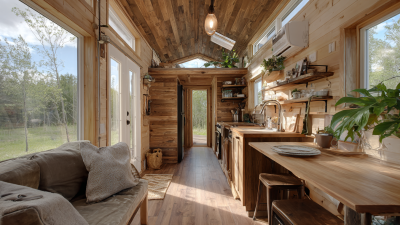
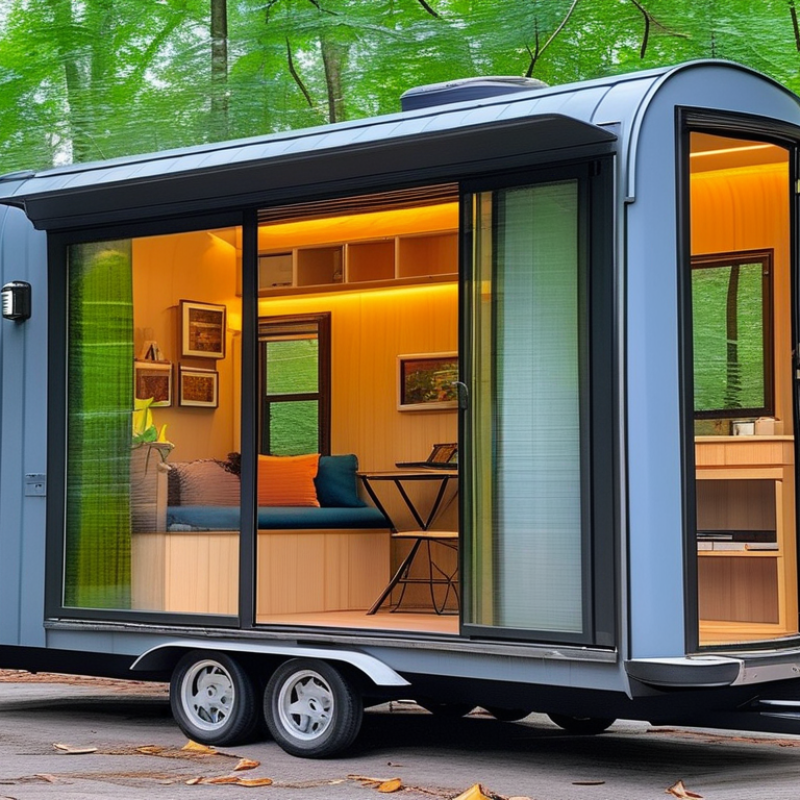
Portable tiny homes are increasingly popular for those seeking flexibility and simplicity in their living arrangements. These homes can adapt to various lifestyles, offering easy mobility. Their compact design allows for efficient use of space, often featuring multi-functional furniture and innovative storage solutions. This maximizes living areas, making them feel much larger than their actual square footage.
Understanding the benefits of portable tiny homes is essential. They often promote sustainability by requiring fewer resources for construction and maintenance. Many units utilize energy-efficient systems that reduce utility costs. However, it is essential to evaluate your needs carefully. Living in a tiny home can mean downsizing significantly, which may be a difficult adjustment for some. Each individual must weigh the pros and cons, reflecting on their personal preferences and lifestyle choices before making a decision.
Assessing Your Needs: Space, Layout, and Functionality Considerations
When choosing a portable tiny home, start by assessing your needs. Think about the space required. Are you living alone or with a family? A single person may need less square footage, but a family might require more. The number of sleeping areas can significantly impact comfort levels. Keep in mind how you will use the space daily.
Consider the layout of the tiny home. An open floor plan can enhance the sense of space. However, some prefer distinct areas for privacy. Think about specific functionality. Will you cook often? A well-designed kitchen is crucial for anyone who loves to prepare meals. Evaluate storage options as well. Limitations in space can lead to clutter.
Reflect on your lifestyle choices as well. If you frequently host guests, a versatile living area is essential. A tiny home thrives on smart design choices. Each nook should serve a purpose. However, it’s important to acknowledge that compromises might arise. An ideal home may not exist. You may have to adjust expectations based on your budget and needs.
How to Choose the Best Portable Tiny Homes for Your Needs?
| Feature |
Consideration |
Example Size |
Ideal Users |
| Square Footage |
Consider how much space you need. |
100 - 400 sqft |
Singles, Couples |
| Layout |
Open concepts or separated rooms. |
Studio, One-bedroom |
Minimalists |
| Functionality |
Multi-purpose rooms and storage solutions. |
Convertible Furniture |
Families, Remote Workers |
| Mobility |
Ease of transport and setup. |
On Wheels |
Travel Enthusiasts |
| Sustainability |
Eco-friendly materials and resources. |
Solar Panels |
Eco-Conscious Buyers |
Evaluating Construction Materials and Sustainability Options
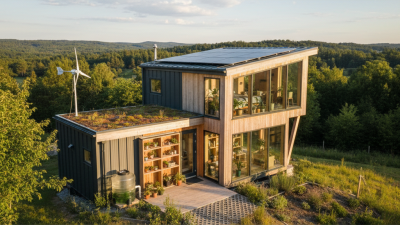
When selecting a portable tiny home, focusing on construction materials is essential. According to a report by the Tiny Homes Industry Association, durable materials can extend the lifespan of these homes. For instance, steel frames and reclaimed wood are popular choices. These materials resist weather damage better than conventional options. However, sourcing sustainable materials can present challenges, as many products come with hidden environmental costs.
Opt for insulation made from recycled materials. These options not only reduce your carbon footprint but also enhance energy efficiency. Studies indicate that homes with superior insulation can cut energy usage by up to 30%. Keep in mind that not every eco-friendly material performs equally. Research and weigh the benefits versus potential drawbacks, like availability and cost.
Tips for making informed choices: Always ask about the sourcing of materials. Investigate certifications that prove sustainability. Engage with builders knowledgeable in green construction. Assessing their credentials can save you from costly mistakes in the future. Remember, a good choice today benefits you and the environment tomorrow.
Comparison of Construction Materials for Portable Tiny Homes
Budgeting for Your Tiny Home: Costs and Financing Solutions
When budgeting for a portable tiny home, understanding costs is crucial. The price can vary significantly based on materials, size, and features. On average, expect to spend between $30,000 to $80,000. This range can reflect different levels of quality and customization. Be mindful that additional costs, such as land, utilities, and permits, may arise.
Financing solutions for tiny homes can be complex. Not all traditional lenders provide loans for portable homes. Research specialized lenders focusing on tiny living. Consider credit unions and personal loans as alternatives. Explore savings options, too. Some people opt for downsizing or selling unused assets to fund their homes.
Reflecting on the budgeting process is important. Unexpected expenses often pop up during construction. It’s wise to set aside a contingency fund of at least 10%. Keeping track of your spending can be challenging. You might find yourself re-evaluating your priorities as you progress. Embracing this journey requires flexibility and a clear vision of your ideal tiny home.
Choosing Location: Zoning Laws and Site Requirements for Tiny Homes
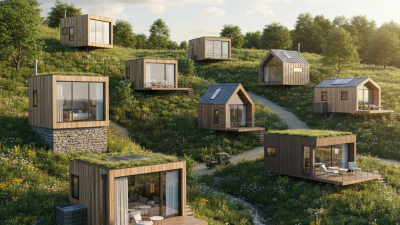
Choosing the right location for your portable tiny home is crucial. Zoning laws vary widely by region. Some places may not permit tiny homes at all. Others have specific requirements. Understanding these conditions is essential for avoiding future complications.
Investigate local zoning ordinances before making a decision. Some areas require a minimum square footage. Others may restrict the types of materials you can use. Researching site requirements helps you choose a suitable location. Contacting the local planning office can provide valuable insights. They can clarify the rules specific to your area.
Many tiny home enthusiasts overlook these regulations. This can lead to fines or forced relocations. Planning carefully can prevent these issues. It's wise to consult local experts who understand the nuances. Engaging with a community of tiny home owners can also offer practical advice. Each decision impacts your living experience and peace of mind.