How to Choose the Best Mini Homes for Global Buyers?
Choosing the best mini homes can be a daunting task for global buyers. The popularity of mini homes has soared, fueled by their affordability and sustainability. However, making the right choice requires careful consideration.
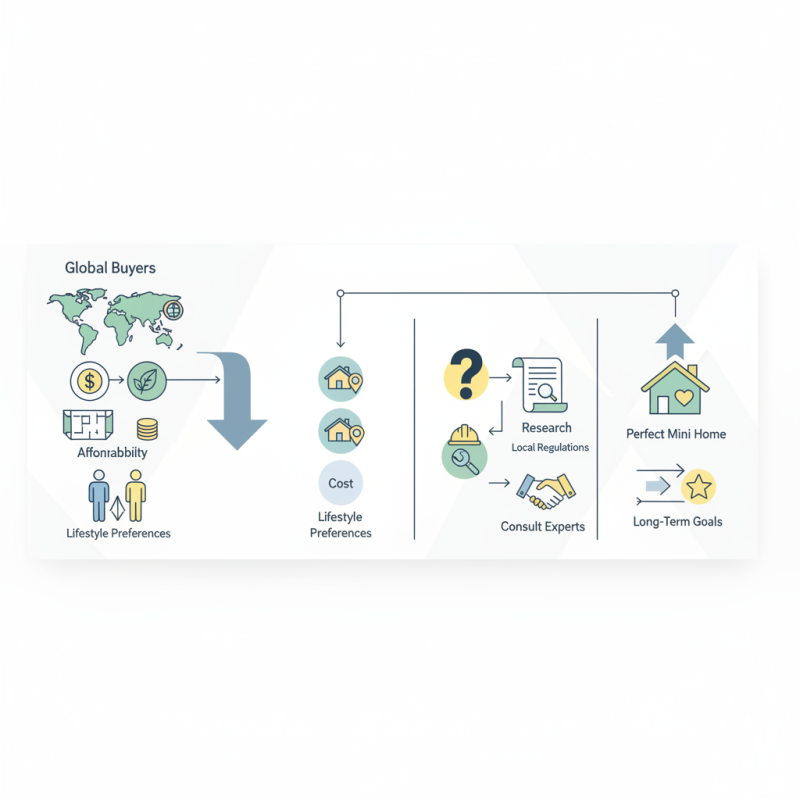
When evaluating mini homes, factors such as design, location, and cost must be factored in. Each mini home has its unique features, appealing to different lifestyles and needs. Buyers should consider their lifestyle preferences before making a decision. This process isn't easy. Sometimes, buyers may overlook essential details, leading to regrets later.
Research is crucial. Understanding local regulations on mini homes is a must. Buyers should consult experts in housing and construction to avoid pitfalls. Ultimately, a well-rounded approach can lead to finding the perfect mini home that meets not just immediate desires, but long-term goals.
Understanding Mini Homes: Concept and Benefits for Global Buyers
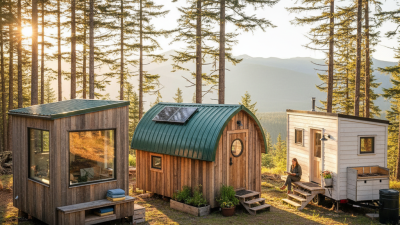
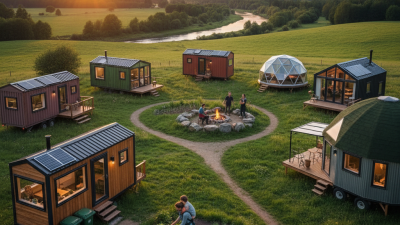
Mini homes have emerged as a popular choice among global buyers seeking affordable and sustainable living options. These compact dwellings typically range from 100 to 400 square feet. They provide significant savings in construction costs, with recent reports indicating a reduction of up to 30% compared to traditional homes. Mini homes offer an opportunity to downsize while maintaining essential comforts.
The concept of mini homes extends beyond their size. Many buyers appreciate their lower environmental impact. These homes often utilize eco-friendly materials and energy-efficient designs. For instance, a study by the U.S. Environmental Protection Agency states that smaller homes consume less energy, leading to reduced utility bills. This is enticing for those looking to invest in sustainable living. However, potential buyers must consider local zoning laws, which may limit where they can place mini homes.
While mini homes can be a solution to housing shortages, they are not without challenges. Limited space may require innovative furniture solutions or storage options. Additionally, navigating financing can be tricky. Some financial institutions may not have clear policies regarding tiny homes. Buyers should anticipate potential hurdles in the purchasing process. Understanding both the benefits and drawbacks is essential for making informed decisions.
Identifying Key Features: What to Look for in Mini Homes
Choosing the right mini home involves careful consideration of several key features. First, look at the design and layout. Flexibility in space usage is vital. Consider an open-concept design that maximizes natural light. Space-saving furniture can enhance functionality.
Think about energy efficiency too. Mini homes should be equipped with quality insulation. Solar panels can be an attractive feature for eco-conscious buyers. Also, inspect the plumbing and electrical systems. Reliability in these areas is critical for comfort.
Remember to evaluate the location as well. Proximity to amenities can impact your living experience. A quiet neighborhood may offer peace, but easy access to shops can be convenient. Reflect on what you truly need; location often shapes lifestyle choices.
Here are some tips: Invest in quality craftsmanship. Check for local building codes and regulations. Always consider resale value and long-term satisfaction. Each of these details matters, shaping your future in a mini home.
Evaluating Location: Best Markets for Purchasing Mini Homes Abroad
When choosing a mini home abroad, location is crucial. Consider factors like climate, cost of living, and community. Some regions offer stunning nature, while others boast vibrant culture. Your lifestyle preferences should guide your choice. Research local communities to find a place that aligns with your values and interests.
Emerging markets in Southeast Asia and Eastern Europe have become popular among buyers. They offer affordable housing and potential for growth. However, issues like language barriers and cultural differences may arise. It’s essential to seek advice from local experts. Listen to their insights about market trends and neighborhood dynamics.
Visiting potential locations before purchasing is wise. Spend time there, observe daily life, and interact with locals. This experience will help you gauge whether a mini home fits your needs. Unforeseen challenges may surface, and flexibility is key. Embrace the journey and refine your decision-making with each step you take.
Financial Considerations: Budgeting for Mini Homes and Hidden Costs
Budgeting for mini homes requires careful evaluation. Buyers must consider upfront costs and ongoing expenses. The initial purchase price often attracts many. However, hidden costs can add up quickly.
Maintenance is a recurring expense. Homeowners may overlook repairs, utilities, and property taxes. These costs can strain budgets unexpectedly. Researching local rates for these services is essential. It helps buyers avoid financial surprises later.
Moreover, financing options can vary greatly. Interest rates fluctuate based on location and buyer credit. Some may face additional fees when securing loans for mini homes. It’s wise to consult financial experts before committing. A clear understanding of all costs is invaluable.
Financial Considerations for Mini Homes
Navigating Regulations: Legal Aspects of Buying Mini Homes Internationally
Navigating the legal landscape is crucial for global buyers interested in mini homes. Each country has different regulations that can impact your purchase. According to a report by the International Organization for Migration, legal requirements can vary significantly, creating challenges for international buyers. Understanding local zoning laws, property taxes, and permit requirements is essential.
Many buyers overlook the importance of property rights. In countries like France and Canada, property ownership laws may differ from what buyers expect. A survey by the Global Property Guide found that 25% of foreign investors faced legal hurdles due to unfamiliarity with local laws. Potential issues include inheritance laws and restrictions on foreign ownership.
Buyers should also consider environmental regulations. Some regions have specific requirements for sustainable building practices. An EPA report indicates that 60% of new constructions now require adherence to green building standards. This factor can complicate the buying process for those who want to ensure compliance while maintaining affordability. Being aware of these legal aspects helps buyers make informed decisions and avoid costly repercussions.