Why Choose a Portable House for Your Living Needs?
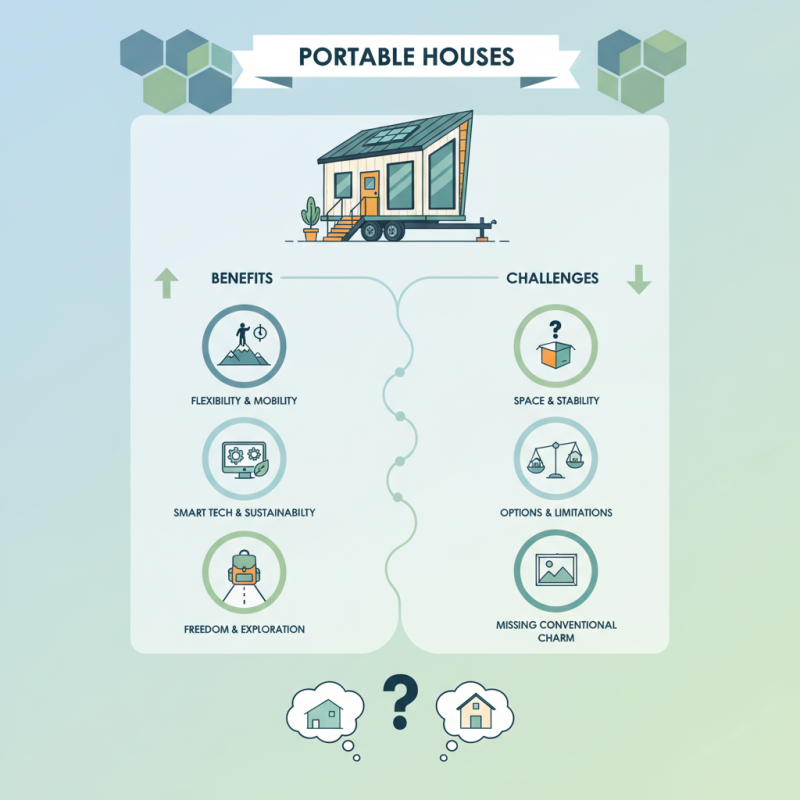
In recent years, the concept of a portable house has gained significant traction among diverse groups of people. These compact living spaces offer flexibility and mobility that traditional homes cannot provide. A portable house can be easily relocated, adapting to various lifestyles and changing needs. This is particularly appealing for those who prioritize freedom and personal exploration.
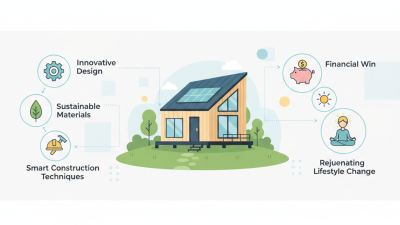
The design of a portable house often maximizes space efficiency while maintaining comfort. Many of these homes incorporate smart technology and sustainable materials, enhancing their appeal further. However, choosing a portable house isn’t solely about convenience; it also requires careful consideration of available options and potential limitations. Are you ready to embrace this modern living solution, or will you miss the charm of a conventional home?
As we delve deeper into the reasons for choosing a portable house, it’s essential to weigh both the benefits and challenges. Living in a portable house can lead to a more simplified lifestyle, but it may also come with trade-offs in terms of space and stability. By exploring these aspects, we can better understand the true value of portable living.
Benefits of Portable Houses for Modern Living
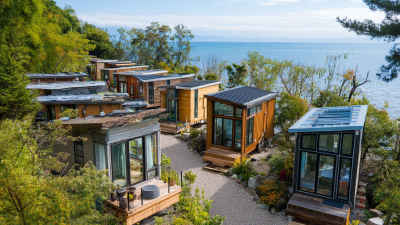
Portable houses have gained popularity as a flexible living solution. They offer numerous benefits that align with modern lifestyles. One key advantage is mobility. People can relocate their homes to different locations easily, adapting to life changes. This is particularly appealing for those who travel for work or enjoy changing their surroundings.
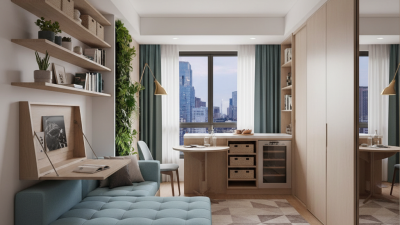
Another benefit is efficiency in space utilization. Portable houses often make smart use of limited space. They are designed to provide comfort without unnecessary clutter. Many feature multi-functional furniture, ensuring that every square foot counts. This can lead to a simpler, less stressful living experience.
Cost-effectiveness is also a notable factor. Portable homes typically require less investment compared to traditional houses. They can reduce utility bills due to energy-efficient designs. However, it’s essential to evaluate local zoning laws. Some areas might have restrictions on mobile units. Living in a portable house does require careful planning. It’s crucial to consider the long-term implications of this lifestyle choice.
Why Choose a Portable House for Your Living Needs? - Benefits of Portable Houses for Modern Living
| Benefit |
Description |
Environmental Impact |
Cost Efficiency |
| Mobility |
Easily relocated to different locations as needed. |
Can reduce land use and preserve natural environments. |
Lower transportation and setup costs. |
| Sustainability |
Constructed with eco-friendly materials and methods. |
Minimizes ecological footprint through green building practices. |
Reduces long-term utility costs with energy-efficient designs. |
| Affordability |
Lower initial investment compared to traditional homes. |
Offers a cost-effective solution for affordable housing. |
Minimal maintenance costs over time. |
| Customization |
Flexible designs to suit individual preferences and needs. |
Supports the use of sustainable materials in custom builds. |
Allows for budget-friendly modifications. |
| Quick Setup |
Can be assembled quickly, minimizing disruption. |
Reduces construction waste and time. |
Saves costs associated with lengthy construction projects. |
Flexibility and Mobility: Adapting to Your Lifestyle Needs
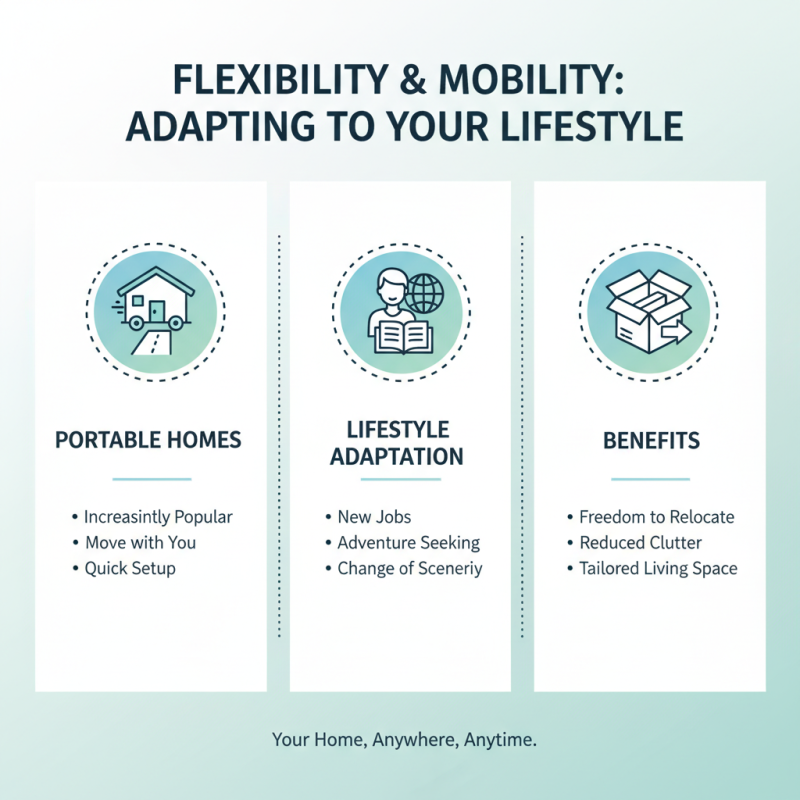
Portable houses are increasingly popular for those seeking flexibility and mobility. Living in a portable home allows individuals to adapt their lifestyle as their needs change. Whether you are chasing a new job, pursuing adventures, or simply seeking a change of scenery, portable houses can move with you. Imagine having your entire home packed up and ready to go in no time.
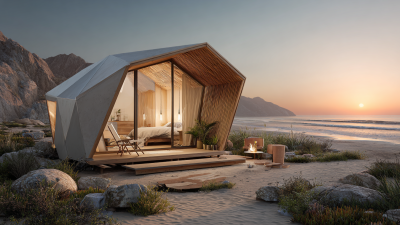
The beauty of this lifestyle is in its simplicity. You can relocate without the hassle of selling property or dealing with long-term leases. Picture a couple deciding to travel to a beach for the summer. Their portable house means they can enjoy sunsets by the ocean while maintaining their own space. This level of freedom is hard to find with traditional housing.
However, there can be drawbacks, too. Portable homes often come with limited space. You may need to minimize your possessions, which can be a struggle. Individuals might feel overwhelmed when deciding what to keep and what to let go of. Reflecting on your priorities can help navigate these challenges. Embracing a portable lifestyle requires a mindset shift toward minimalism and adaptability, which can be both liberating and daunting.
Cost-Effectiveness: Affordable Housing Solutions
Portable houses are becoming a preferred living solution for many. They offer cost-effectiveness that traditional housing often lacks. A report from the Housing Industry Association indicates that the average price of a new home can exceed $500,000. In contrast, portable homes can be acquired for under $100,000, which allows families to save significantly. Many people are turning to these structures for their flexibility and affordability.
Tips: Consider local zoning laws before choosing your portable house. Costs may vary based on location and size. Researching options can help you find the best fit.
These homes also provide energy efficiency. According to the U.S. Department of Energy, well-designed portable houses consume less energy. This leads to reduced monthly bills. Not everyone is familiar with the maintenance of portable houses, which can be an initial challenge. It’s essential to seek guidance on upkeep to ensure longevity and reduce future costs.
Tips: Regularly check insulation quality and energy usage. Staying proactive can save you money in the long run.
Environmental Impact: Sustainable Living with Portable Homes
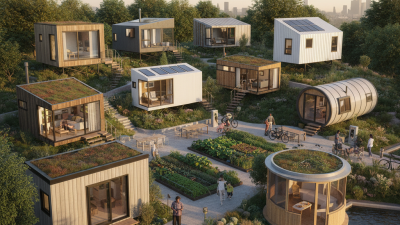
Portable houses are becoming popular for eco-conscious living. They offer a unique solution to environmental challenges. These homes often use sustainable materials, minimizing the carbon footprint. Their small size leads to reduced energy consumption. Many designs incorporate natural light, reducing the need for artificial lighting.
Living in a portable house can raise questions about waste management. Limited space forces residents to rethink possessions. Downsizing can lead to less waste and a simpler lifestyle. However, not everyone may find this transition easy. It takes planning and commitment to fully embrace minimalism.
The mobility of these homes allows for flexible living arrangements. Individuals can relocate without substantial environmental impact. By choosing portable living, people contribute to a more sustainable future. While challenges exist, the benefits are profound and worth considering.
Environmental Impact of Portable Homes vs Traditional Homes
This chart compares the environmental impact of portable homes against traditional homes across four key metrics: carbon footprint, water usage, energy consumption, and waste generation. Portable homes typically show lower impact in all categories, demonstrating their potential for sustainable living.
Customization Options: Tailoring Your Space to Fit Your Style
Portable houses offer unique customization options, allowing you to tailor your space to fit your personal style. From the layout to the materials, you can create an environment that reflects your tastes. Think about the use of colors and shapes. They can dramatically affect the mood of your home.
Here are a few tips for customizing your portable house. Choose light colors for smaller spaces; they can create an illusion of more room. If you prefer vibrant colors, use them as accent walls. This balances boldness with calmness. Also, consider multi-functional furniture. It saves space and adds practicality.
Reflect on the functionality of each area. Is your kitchen designed for cooking or entertaining? What about your living space? Each decision shapes your day-to-day experience. Sometimes, what feels good in theory might not work in reality. Take your time with decisions. Revisit them as your needs evolve.