Why Choose Tiny Mobile Homes for a Sustainable Lifestyle?
The growing trend towards tiny mobile homes reflects a significant shift in how we approach sustainable living. According to the American Tiny House Association, over 68% of tiny home owners report a reduced carbon footprint. This shift is driven by the need to minimize waste and embrace simpler lifestyles. Tiny mobile homes often promote intentional living, allowing individuals to prioritize experiences over possessions.
Expert architect Sarah Susanka states, "Living small allows for big opportunities in sustainability." Her insights highlight how tiny mobile homes utilize fewer resources, from construction materials to energy consumption. For example, these homes typically use eco-friendly materials and efficient designs to maximize space while minimizing environmental impact. However, this transition to tiny mobile homes is not without its challenges. Limited space can lead to discomfort during harsh weather or personal disputes over shared areas.
Housing experts emphasize adaptability as a key aspect. Tiny mobile homes offer flexibility, but they also require careful planning. Residents must reflect on their needs and the sacrifices they are willing to make. As the tiny mobile home movement grows, so does the potential for innovation and community-based solutions toward a sustainable future.
The Environmental Impact of Tiny Mobile Homes Compared to Traditional Houses
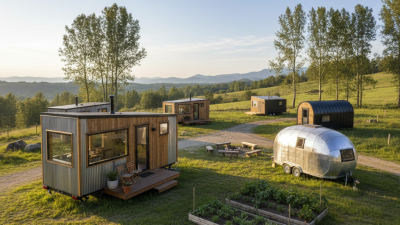
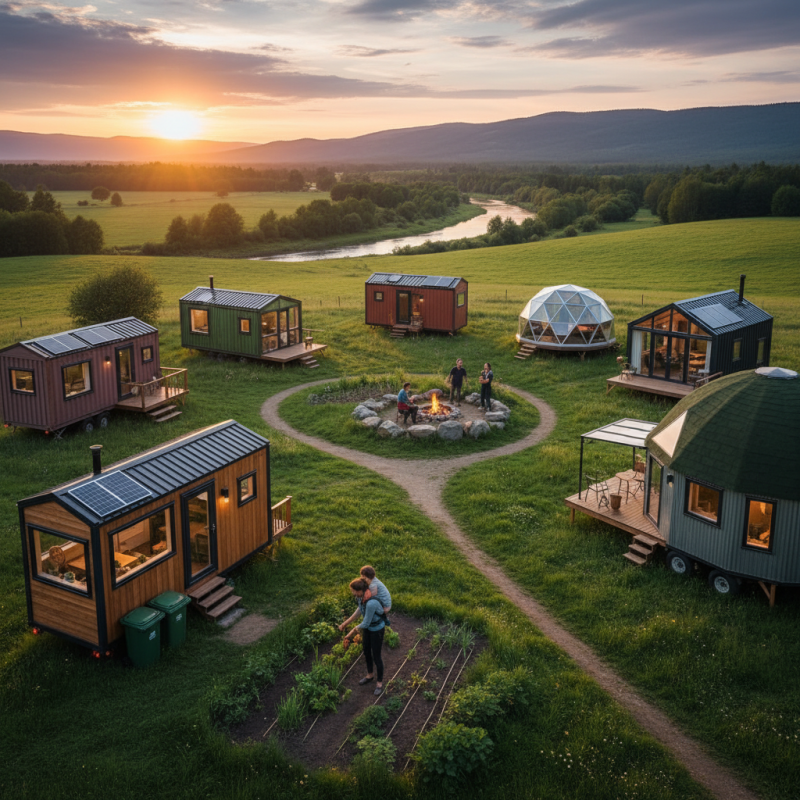
Tiny mobile homes have been gaining attention for their environmental benefits.
They require fewer materials to construct compared to traditional houses. This reduction in resources leads to lower carbon footprints.
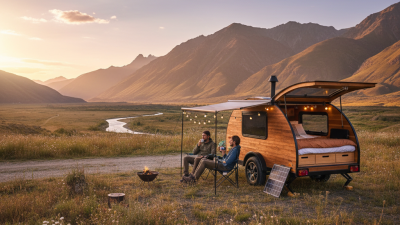
Additionally, these homes often utilize renewable energy sources. Solar panels are a common feature.
With less space to heat or cool, energy efficiency greatly improves.
However, living in a tiny space comes with its own challenges. Storage can be limited,
forcing people to rethink their possessions. This reflection on consumerism prompts a more mindful lifestyle.
Water usage is another consideration. Mobile homes may need efficient plumbing systems to minimize waste.
It raises questions about sustainable living practices.
The environmental impact of tiny homes is significant. Less land is disturbed during construction.
This means less deforestation and habitat destruction.
Communities can also adopt eco-friendly practices more easily. Yet, as people embrace tiny living,
balancing convenience with sustainability remains critical.
Energy Efficiency: How Tiny Homes Can Reduce Carbon Footprint
Tiny mobile homes are gaining popularity for their sustainability and energy efficiency. By living in smaller spaces, residents naturally consume less. According to research from the U.S. Department of Energy, tiny homes use about 40% less energy than traditional houses. This significant reduction helps decrease one’s carbon footprint.
The design of tiny homes often prioritizes energy-efficient appliances and sustainable materials. Many tiny homes include solar panels, which can significantly lower energy costs. A study from the American Council for an Energy-Efficient Economy highlights that homes utilizing solar energy can reduce carbon emissions by nearly 90%. Opting for LED lighting and high-efficiency heating can further enhance energy savings.
Tip: Consider the orientation of your tiny home to maximize natural light and reduce the need for artificial lighting.
Living sustainably isn't without challenges. Limited space can lead to clutter. It's essential to be mindful of what you bring into your home. Every item matters in a tiny space. Use multi-functional furniture to save space while fulfilling various needs.
Tip: Regularly declutter your living space. Keeping only what you need ensures your tiny home remains efficient and organized.
Cost-Effectiveness: Financial Benefits of Choosing a Tiny Mobile Home
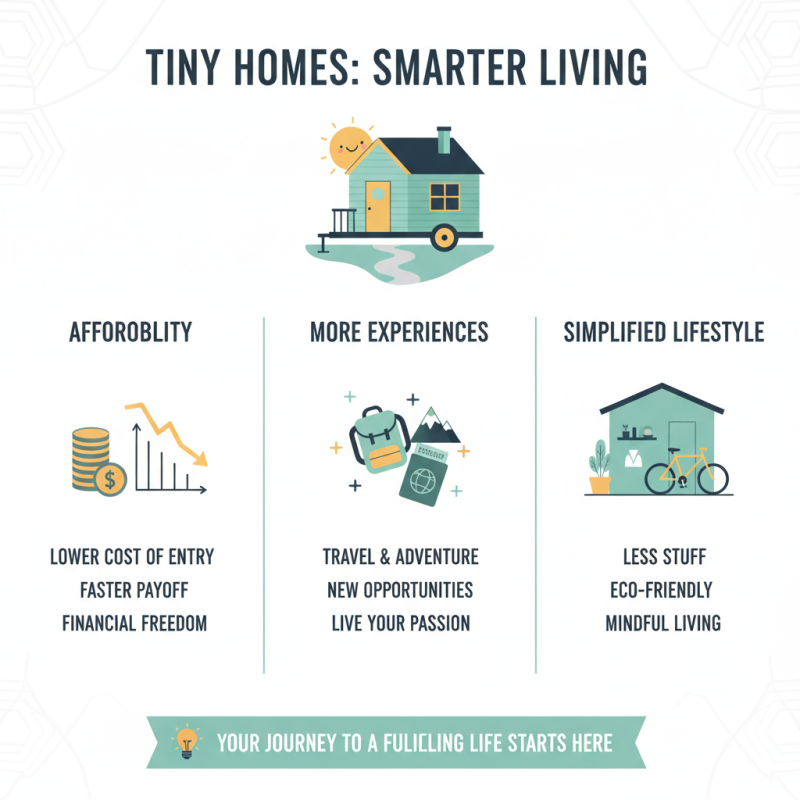
Tiny mobile homes have gained popularity for various reasons, particularly their cost-effectiveness. These homes often require a lower initial investment compared to traditional houses. The average cost of a tiny home can be significantly less, creating room for financial flexibility. Many people find themselves paying off their homes faster, allowing them to allocate resources to experiences rather than material possessions.
Low utility costs are another financial benefit. Tiny homes are smaller in size, which generally means lower bills for electricity, water, and heating. For those with minimalistic lifestyles, this reduction can be substantial.
However, living in a tiny mobile home isn't always a perfect solution. Space can feel limited, leading to tough choices on what to keep. The transition from a larger living space requires adaptation and can be overwhelming. Moreover, zoning laws can complicate placements of these homes. Finding the right location is crucial but often challenging. These are important considerations for anyone thinking about making the switch.
Space Optimization: Innovative Design Solutions for Minimalist Living
Tiny mobile homes represent a shift toward sustainability, particularly through space optimization. Each square foot is designed with a purpose. Every corner is maximized for function. Multi-use furniture, such as a foldable table, transforms spaces swiftly. Functional design reduces clutter and promotes minimalism.
Storage solutions are crucial. Hidden compartments can keep belongings organized. For example, a lofted bed allows for storage underneath. This design choice can make small spaces feel larger, but it requires planning. Additionally, the aesthetic must balance with practicality. Simply stacking boxes might seem efficient, yet it may lack harmony in appearance.
Living in a tiny mobile home can pose challenges. Limited space forces introspection on material possessions. People might struggle with sentimental items. Learning to let go can be liberating, yet difficult. Embracing the minimalist lifestyle encourages reflection, creating a deeper connection with what truly matters.
Why Choose Tiny Mobile Homes for a Sustainable Lifestyle? - Space Optimization: Innovative Design Solutions for Minimalist Living
| Feature |
Description |
Benefits |
| Space Efficiency |
Compact designs maximize living area while minimizing footprint. |
Reduces energy consumption and encourages a minimalist lifestyle. |
| Sustainable Materials |
Use of eco-friendly, recycled, or sustainably sourced materials. |
Lower environmental impact and improved indoor air quality. |
| Mobility |
Ability to relocate easily without the need for traditional home buying. |
Flexibility to live in diverse locations or travel while maintaining home comforts. |
| Cost-Effectiveness |
Lower upfront costs compared to traditional homes. |
Reduced mortgage, property taxes, and maintenance expenses. |
| Customizable Designs |
Ability to personalize spaces according to individual needs and aesthetics. |
Increased satisfaction and potential for creative expression in living space. |
Community and Lifestyle: The Social Benefits of Tiny Home Living
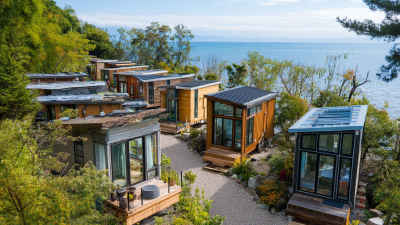
Tiny home living fosters strong community bonds. People in these compact spaces often share values of sustainability and minimalism. A survey by the American Tiny House Association revealed that 68% of tiny homeowners feel more connected to their community. Living in close quarters encourages interactions that larger homes might hinder. Neighbors become friends, and everyone collaborates on community projects.
The lifestyle also promotes social gatherings. Many tiny home communities organize events like potlucks or workshops. These gatherings enhance relationships and build support networks. Residents rely on each other for resources, skills, and emotional support. Studies show that social support can lead to better mental health outcomes. Engaging with others enhances one’s quality of life.
Tips: Choose a tiny home community that aligns with your values. Building relationships early can create a strong support system. Participate in community activities; they offer excellent opportunities to connect. Reflect on your social interactions and look for ways to strengthen them. Sharing space can reveal lessons about cooperation.