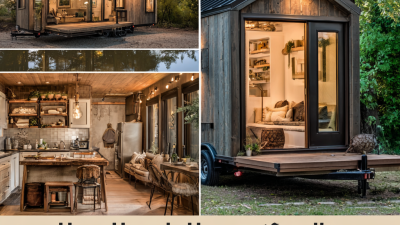
Why Choose Manufactured Tiny Homes for Sustainable Living?
In recent years, the trend towards sustainable living has gained significant momentum. One standout option in this space is manufactured tiny homes. These compact dwellings are designed to minimize environmental impact while maximizing efficiency. A report from the Tiny Home Industry Association shows that tiny homes can reduce the carbon footprint by up to 45%.
Manufactured tiny homes are appealing for many reasons. They promote minimalism and encourage a simpler lifestyle. This transition can lead to significant cost savings, with some owners reporting a 50% reduction in living expenses. However, potential buyers must consider zoning regulations and available space, as these can be limiting factors.
Embracing manufactured tiny homes requires a shift in mindset. They offer not just a home but a lifestyle that values sustainability and community. Yet, the challenge of finding suitable locations can be frustrating. This is a reflection of broader issues in housing policies that often overlook innovative solutions. So, while manufactured tiny homes present opportunities for sustainable living, they also invite critical examination of our current housing systems.
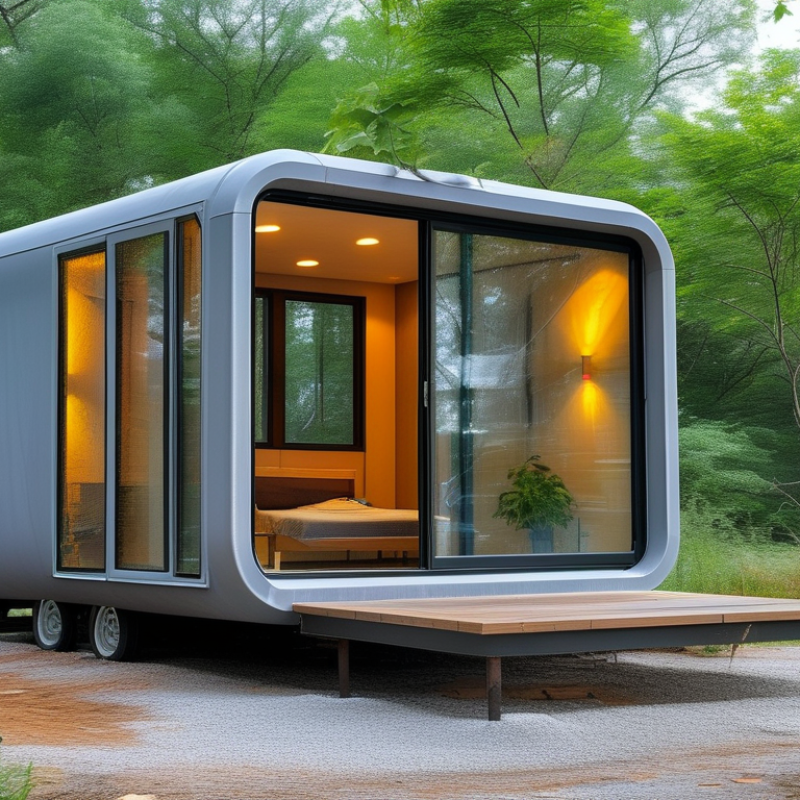
Benefits of Manufactured Tiny Homes for Sustainability
Manufactured tiny homes represent a growing trend in sustainable living. These homes are designed to reduce environmental impact. They use fewer materials and often incorporate eco-friendly resources. For instance, many are built with recycled materials and energy-efficient appliances. This approach minimizes waste during construction and promotes a lower carbon footprint.
Living in a tiny home encourages a simplified lifestyle. Residents often need to downsize their possessions, which fosters minimalism. This shift can lead to more mindful consumption habits. Each choice becomes more intentional, impacting the environment positively. However, tiny living isn’t without challenges. Limited space requires careful planning and organization.
Moreover, manufactured tiny homes typically occupy smaller lots. This can conserve land and reduce urban sprawl. However, zoning laws may hinder placement in certain areas. Potential buyers need to research local regulations. Despite these hurdles, the benefits are evident. These homes are not only practical but also encourage sustainability in daily life.
Why Choose Manufactured Tiny Homes for Sustainable Living? - Benefits of Manufactured Tiny Homes for Sustainability
| Benefit |
Description |
Impact on Sustainability |
| Lower Carbon Footprint |
Manufactured tiny homes are generally smaller, requiring fewer materials and energy during construction. |
Reduced resource consumption helps in minimizing the overall carbon emissions. |
| Energy Efficiency |
Tiny homes often use energy-efficient appliances and can be designed to maximize natural light. |
Lower energy usage leads to a decrease in fossil fuel reliance. |
| Waste Reduction |
The construction process for tiny homes generates significantly less waste compared to traditional homes. |
Less waste contributes to reduced landfill impact and encourages recycling. |
| Affordability |
Manufactured tiny homes are typically more affordable, making sustainable living accessible to more people. |
Increased access to sustainable options encourages broader shifts in living habits. |
| Mobility |
Many tiny homes are designed to be mobile, allowing residents to choose eco-friendly locations. |
Flexibility promotes living in less developed and lower-impact areas. |
Eco-Friendly Materials Used in Tiny Home Construction
Manufactured tiny homes are gaining traction as a sustainable living solution. One key aspect is the eco-friendly materials used in construction. Many tiny homes utilize reclaimed wood, which reduces deforestation and conserves energy. According to the U.S. Green Building Council, using reclaimed materials can cut energy consumption by up to 50%. This choice not only lowers environmental impact but also adds unique character to each home.
Additionally, many tiny homes incorporate sustainable insulation materials, such as cellulose or sheep's wool. These options provide excellent thermal performance while being biodegradable. The Green Building Alliance highlights that cellulose insulation can reduce energy use by 20 to 30%. However, sourcing these materials locally can sometimes be a challenge. Availability varies by region, and some areas might not have access to the best options.
Another growing trend is the use of recycled metal for roofing and siding. This choice enhances durability and could potentially last over 50 years with little maintenance. The Environmental Protection Agency reports that recycling metals can save up to 95% of the energy required to produce new metal. Yet, not all communities have the infrastructure to promote this recycling effectively. Adopting these materials, while beneficial, requires a more significant commitment to sustainable practices within local supply chains.
Energy Efficiency Features of Manufactured Tiny Homes
Manufactured tiny homes are an appealing choice for sustainable living. Their energy-efficient features significantly reduce environmental impact. With advanced insulation materials, these homes maintain comfortable temperatures year-round. This lowers heating and cooling needs, which conserves energy.
Solar panels are a popular addition. They harness sunlight to generate electricity, reducing reliance on non-renewable sources. Many tiny homes also use energy-efficient appliances. These appliances consume less power, further minimizing the environmental footprint. Residents appreciate the cost savings on utility bills, along with the satisfaction of living sustainably.
Tips: Consider choosing a home with passive solar design. This maximizes natural light while minimizing heating costs. Look for homes with LED lighting and Energy Star-rated appliances. Every small choice contributes to a larger impact. Reflection is key; even the most efficient homes may require adjustments. As you embrace tiny living, remember that each decision shapes your sustainable journey.
Cost-Effectiveness of Living in Manufactured Tiny Homes
Manufactured tiny homes are increasingly recognized for their cost-effectiveness in sustainable living. A report from the National Association of Home Builders highlights that the average cost of building a traditional home is around $300,000. In contrast, manufactured tiny homes can be bought for as little as $50,000. This significant savings allows individuals to allocate more resources towards environmentally-friendly practices, such as renewable energy systems.
Moreover, the maintenance costs associated with tiny homes are considerably lower. According to a study by the Institute for Market Transformation, residents save up to 30% on utility bills compared to larger homes. This reduction stems from the efficient designs and smaller energy footprints of manufactured tiny homes. However, it's essential to reflect on zoning laws that may restrict where these homes can be placed.
Some homeowners find it challenging to secure financing for tiny homes, as traditional lenders often favor standard-sized properties. While the initial investment in a manufactured tiny home is lower, navigating the financial landscape remains a hurdle. Despite these challenges, many see the long-term benefits of minimalist living in their financial stability and environmental impact.
Community and Lifestyle Considerations in Tiny Home Living
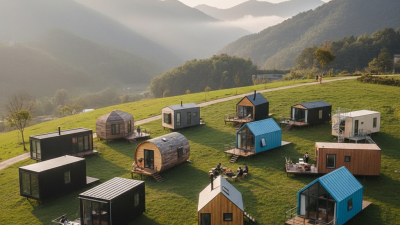
Tiny home living offers unique community and lifestyle benefits. Many residents appreciate the close-knit atmosphere found in tiny home communities. Research shows that 92% of tiny home dwellers enjoy a sense of belonging. This social connection can improve mental well-being, especially in a world that often feels isolated.
Living in a manufactured tiny home encourages sustainability. Residents often share resources, tools, and skills. This collaborative approach can lead to reduced consumption. According to the Tiny House Community report, tiny homes can use 45% less energy compared to traditional houses. However, community living is not without challenges. Smaller spaces can lead to disputes over noise and privacy. These issues require residents to communicate effectively and work together.
Financial aspects are also crucial. Tiny homes typically cost 50% less than conventional houses. The financial relief can be life-changing for many, yet it may lead to questions about long-term investment. Additionally, as communities grow, property values can fluctuate. Small homes promote simpler lifestyles, but residents must navigate the balance between downsizing and maintaining comfort.