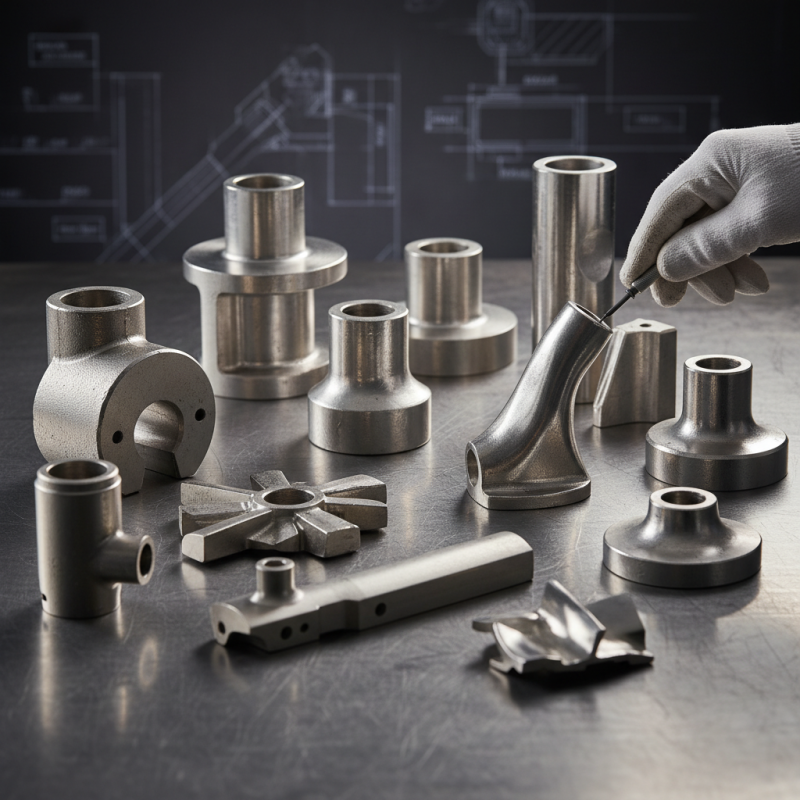
How to Choose the Best Nickel Alloy Castings for Your Needs?
Choosing the right Nickel Alloy Castings can greatly impact your project's success. These materials offer unique properties, making them suitable for various applications. Their resistance to corrosion and high-temperature stability sets them apart from other metals.
When selecting Nickel Alloy Castings, consider factors such as the specific environment and mechanical demands. Different alloys perform better under various conditions. This choice is not always straightforward. You may find many options, each with unique benefits and drawbacks.
Consulting experts in the field can provide clarity. They can guide you in making informed decisions. Remember, the ideal casting should align with both technical requirements and budget constraints. As you navigate this process, a detailed understanding of Nickel Alloy Castings will serve you well.
Understanding Nickel Alloys: Properties and Applications
Nickel alloys are a vital part of many industries, thanks to their unique properties. These alloys offer excellent corrosion resistance and high-temperature strength. They are often used in aerospace, chemical processing, and marine applications. Understanding the properties of nickel alloys can help in making better choices for specific needs.
When considering nickel alloy castings, reflect on your project's requirements. Factors like temperature extremes, exposure to chemicals, and mechanical stress are crucial. Opt for materials that withstand these conditions while maintaining structural integrity. For example, a cast steel alloy might suffice for moderate conditions. But in harsher environments, a nickel-chromium alloy could be necessary.
Tips: Always check the alloy's specifications. Consult with experts if you are unsure about choosing an alloy. They can provide valuable insights based on their experience. Also, factor in the cost versus performance. Sometimes, a more expensive alloy may save money in the long run due to lower maintenance. Remember, not all nickel alloys are created equal; select wisely based on application needs.
Factors to Consider When Selecting Nickel Alloy Castings
Selecting the right nickel alloy castings requires careful consideration of various factors. One key aspect is the alloy's corrosion resistance. Different applications demand different levels of resistance to chemical environments. For example, some nickel alloys excel in acidic settings, while others perform better in alkaline conditions. Understanding your specific environment is crucial for optimal performance.
Another important factor is mechanical properties. Nickel alloy castings should withstand the required mechanical loads and stresses for your project. Consider the tensile strength, hardness, and flexibility needed. Evaluating these properties ensures you choose a casting that meets your operational demands.
Cost also plays a role in decision-making. While it may be tempting to opt for cheaper alternatives, this can lead to higher expenses later. If the casting fails in performance or requires frequent replacements, savings will evaporate. Reflecting on long-term value versus initial costs can guide your choice effectively.
Comparing Different Types of Nickel Alloy Castings
When comparing different types of nickel alloy castings, it is crucial to understand their unique properties. Nickel alloys are renowned for their corrosion resistance and high-temperature strength. There are various compositions available, such as Inconel and Monel, each suited for specific applications.
Inconel is often used in high-stress environments, while Monel excels in marine applications.
Tips: Assess your project's environment. Consider corrosion, heat, and mechanical stress factors. This evaluation will help determine the right alloy type.
Another factor to consider is formability and machinability. Some nickel alloys are easier to mold and shape, while others might require specialized tools for cutting. The casting process itself can impact the final quality, emphasizing the need for expert advice on the best practices.
Tips: Consult with industry experts to ensure the casting process is optimized for your specific needs. This knowledge can prevent costly rework later.
Selecting the ideal nickel alloy casting demands careful consideration of these factors. Weighing the pros and cons of each type can lead to more informed and effective choices for your manufacturing requirements. Embrace the complexity and nuances of each alloy type for successful outcomes.
Evaluating Supplier Quality and Manufacturing Processes
When selecting nickel alloy castings, examining supplier quality and manufacturing processes is crucial. According to a recent industry report, nearly 70% of casting failures arise from inadequate supplier standards. This statistic highlights the importance of identifying experienced suppliers with a robust quality assurance system in place. Suppliers with ISO certification often demonstrate a commitment to quality, ensuring that their products meet rigorous specifications.
Understanding manufacturing processes is equally vital. Different casting methods, such as sand casting and investment casting, affect the properties of the final product. For instance, investment casting typically yields tighter tolerances and improved surface finishes, making it suitable for precision applications. However, it may also come with higher costs. A study shows that nearly 45% of manufacturers are unaware of the implications of their chosen casting method, leading to potential mismatches between application needs and production capabilities.
Moreover, evaluating a supplier's ability to adapt to new technologies is essential. The shift toward advanced manufacturing practices, such as 3D printing, calls for vigilance. Reports indicate that around 30% of suppliers lag in adopting these innovations. This gap can affect their competitiveness and product quality. Therefore, businesses must conduct thorough research and due diligence to ensure they choose a supplier aligned with their specific requirements.
Cost Considerations for Nickel Alloy Casting Choices
When choosing nickel alloy castings, cost is a significant factor. The price of these castings often varies widely. This variance can stem from multiple factors, such as alloy composition and production methods. High-performance alloys may offer more durability but could lead to higher initial costs. Balancing these costs with the required performance is essential.
It’s also important to consider maintenance expenses. Some nickel alloys may require less frequent replacement. In contrast, others could lead to higher long-term costs due to deterioration. Evaluating total cost over the lifespan of the casting can provide a clearer picture.
Additionally, assess the sourcing of materials. If a supplier guarantees quality but at a premium, weigh that against cheaper options. Sometimes, lower-cost alternatives may underperform, impacting productivity. Thoroughly examining all aspects, including potential hidden costs, helps in making an informed decision. Your choice must reflect not only immediate budget concerns but also long-term value.
How to Choose the Best Nickel Alloy Castings for Your Needs? - Cost Considerations for Nickel Alloy Casting Choices
| Property | Value | Cost per Unit ($) | Application |
| Nickel 200 | 99.6% Nickel | 3.00 | Chemical processing |
| Inconel 625 | Nickel-Chromium-Molybdenum | 10.00 | Aerospace & marine applications |
| Monel 400 | Nickel-Copper | 8.50 | Marine engineering |
| Inconel 718 | Nickel-Chromium-Iron | 12.50 | Oil and gas industry |