How to Choose the Best Mobile Tiny House for Your Lifestyle?
The trend of living in a mobile tiny house is gaining popularity. Many are drawn to the freedom and simplicity it offers. According to Trina Williams, a well-known expert in the mobile tiny house industry, "Choosing the right mobile tiny house is both an art and a science." This highlights the importance of careful consideration.
Your needs may vary significantly. Some prioritize sustainability, while others seek luxury on wheels. Exploring these options can be overwhelming. A mobile tiny house is not just about size; it reflects your lifestyle. For instance, adequate storage should not be overlooked, as clutter can derail your experience.
Reflecting on your personal requirements is vital. How do you plan to use your mobile tiny house? Will it be a full-time residence or a weekend retreat? These questions are essential in guiding your choice. Each decision shapes your tiny house journey, making it uniquely yours. Embrace the challenges as you discover the right fit for your life.
Understanding Your Lifestyle Needs and Preferences
Choosing the right mobile tiny house starts with understanding your lifestyle needs and preferences. Consider how many people will live in it. Is it just you, or do you have a family? A tiny house for one can be drastically different from one built for a family of four. Think about the layout that would best suit your daily routine. Prioritize spaces that allow for comfort and functional living, such as a cozy nook for reading or a workspace for productivity.
Reflect on your hobbies and interests. Do you enjoy cooking? A fully equipped kitchenette might be essential. Alternatively, if you prefer outdoor adventures, prioritize storage for gear. Make a list. This step is often overlooked, yet it's crucial for clarity. Imagine living in your chosen space. What does it feel like? Does it meet your needs? Be honest. Sometimes, what seems appealing may not align with your true lifestyle. Recognize that imperfections may exist in any choice you make. A tiny house might offer limited storage or a less-than-ideal layout. Balancing ideal features with necessary compromises is key to finding your perfect fit.
How to Choose the Best Mobile Tiny House for Your Lifestyle?
This bar chart represents the importance index of various factors to consider when choosing a mobile tiny house. The factors include Space Efficiency, Mobility, Sustainability, Cost, and Comfort, each rated on a scale of 1 to 10.
Assessing Space Requirements for Your Tiny House
When choosing a mobile tiny house, assessing your space requirements is crucial. Think about how much room you truly need. Consider your daily activities, hobbies, and family size. Do you often work from home? If so, a small office space is essential. For those who love cooking, having a functional kitchen area that allows for meal prep is important.
Visualize your ideal layout. Can you see yourself moving comfortably throughout the space? A crammed area can lead to frustration. While many tiny houses emphasize efficiency, they might sacrifice comfort. Reflect on what aspects of space matter most to you.
Also, think about storage. Tiny houses typically offer limited space. You may need to declutter or invest in smart storage solutions. Every item should have a purpose. An organized space can make a significant difference in how you feel. Identify what you can live without, and what you can't. Balancing minimalism with functionality might take time to perfect.
Exploring Mobile Tiny House Designs and Features
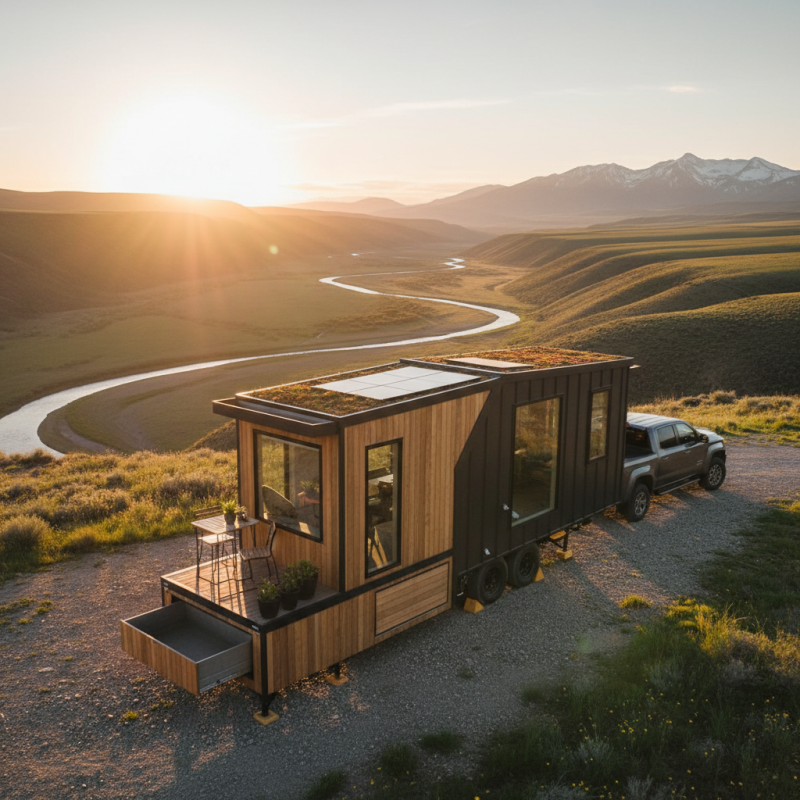
When exploring mobile tiny house designs and features, consider your personal style. A lofted bed can save space, but climbing up at night isn’t for everyone. Some prefer a design with a main floor bedroom. A fold-out couch might work better than a fixed sofa, providing flexibility for guests.
Next, think about storage. Innovative designs feature hidden compartments and multi-use furniture. Look for a kitchen with pull-out counters. Compact appliances can also help keep the space functional. However, too much emphasis on sleek design can lead to compromises in comfort.
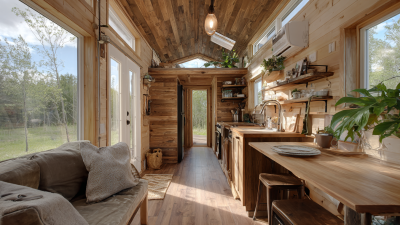
Natural light enhances the interior. Large windows can make the small space feel open. Skylights add even more brightness, but they may require extra insulation. Assess the balance between aesthetics and practicality. A beautiful space can quickly feel crowded if not designed for your daily habits. Reflect on what features truly matter for your lifestyle.
How to Choose the Best Mobile Tiny House for Your Lifestyle?
| Feature |
Description |
Consideration |
| Size |
Dimensions typically range from 100 to 400 square feet. |
Evaluate your personal space needs and zoning regulations. |
| Mobility |
Designs that allow easy movement and transport. |
Consider towing capacity and setup times at different locations. |
| Materials |
Common materials include wood, metal, and eco-friendly products. |
Choose based on durability, insulation, and maintenance needs. |
| Layout |
Open floor plans or designated rooms based on your lifestyle. |
Personalize layout to suit daily activities and preferences. |
| Utilities |
Includes plumbing, electricity, and heating options. |
Assess off-grid capabilities versus standard utility connections. |
| Cost |
Prices vary widely based on size, materials, and features. |
Set a budget and consider long-term savings or expenses. |
Evaluating Budget and Financing Options
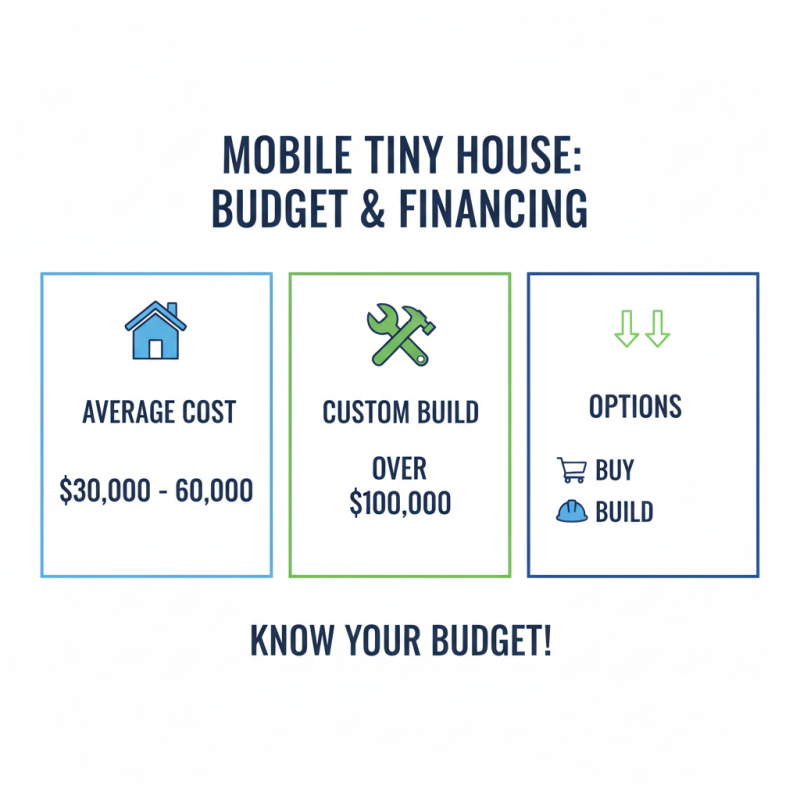
When considering a mobile tiny house, budget and financing are key factors. The average cost of a tiny house ranges from $30,000 to $60,000. However, custom builds can exceed $100,000. Understanding your budget is crucial. Are you planning to buy or build? Each option has financial implications.
Limited data shows that around 68% of tiny house owners have some form of debt. This can impact your financing options. Savings are essential. Consider a mix of savings and small loans. Microloans have gained popularity in this sector, with interest rates averaging around 8% to 12%. This can make financing a more feasible option.
Also, think about long-term costs. Tiny houses often reduce living expenses, but maintenance costs can accumulate. Around 30% of tiny homes require repairs within the first few years. Evaluating these factors ensures you're prepared for potential challenges. A detailed budget paired with realistic financing options leads to informed decisions.
Researching Local Regulations and Mobile Tiny House Communities
Researching local regulations is critical when considering a mobile tiny house. Each area has different zoning laws. Some places prohibit mobile homes altogether. Issues can arise with land use and building codes. These laws can affect where you park your tiny home. Researching these regulations will save you potential headaches later.
Mobile tiny house communities are gaining popularity. These networks offer support and amenities. However, not every community welcomes newcomers. Some communities have strict rules. Residents might need to adhere to specific design standards. Understanding these requirements ahead of time is essential. You don’t want to invest in a tiny home only to find it doesn’t fit community rules.
Tips: Check local government websites. They provide valuable information about regulations. Engage with community forums or social media groups. Insights from current residents can be beneficial. Visit potential communities in person. This will give you a feel for the environment and rules. Remember to stay flexible. Sometimes, plans need adjustment based on local laws or community standards.