Why Choose Aluminum Doors for Your Next Project?
Choosing the right materials for your project can significantly impact its durability and aesthetic appeal. An aluminum door is a practical choice for modern constructions. Light in weight yet strong, it combines efficiency with elegance. Aluminum doors resist rust and corrosion, making them ideal for various climates. They offer excellent insulation, keeping interiors comfortable while saving energy.
However, not all aluminum doors are equal. The quality may vary between manufacturers, and cheaper options might sacrifice durability. It’s crucial to select reputable brands to ensure reliability. Evaluating your needs and environment is essential. While aluminum doors excel in many areas, they may not suit every design preference. Some may find them less warm compared to wood alternatives.
Ultimately, an aluminum door can enhance your project’s functionality and style. Investing in high-quality options can provide lasting value. Careful consideration and research will lead to the best choice for your needs.
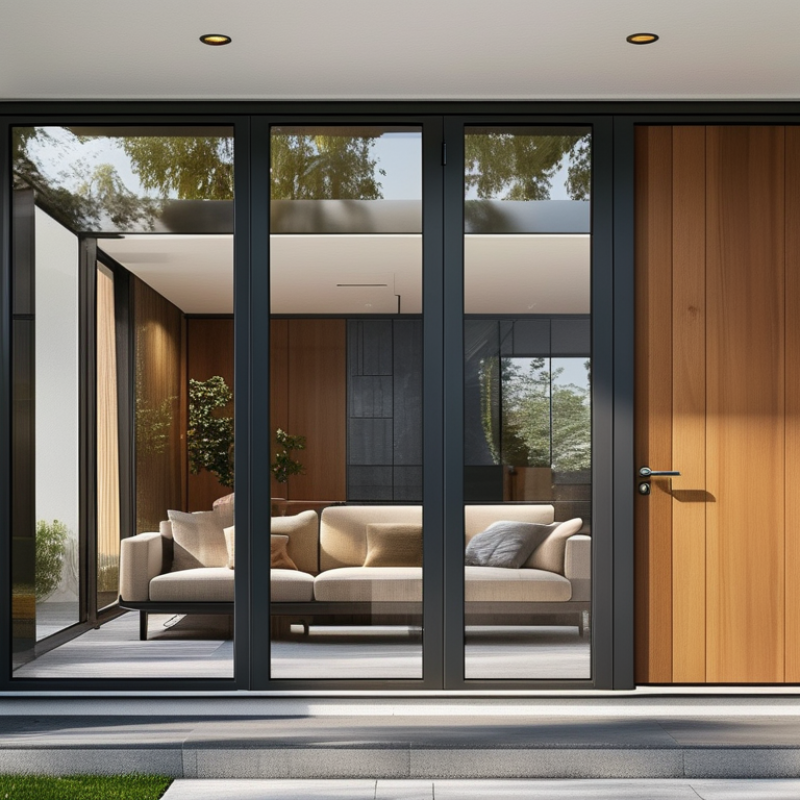
Benefits of Aluminum Doors in Modern Architecture
Aluminum doors have become a popular choice in modern architecture due to their durability and versatility. Research indicates that aluminum doors can last up to 30 years with minimal maintenance, significantly outpacing traditional wooden doors, which typically last around 15 years. This longevity is particularly valuable in commercial settings, where replacement costs can be substantial.
Another advantage is energy efficiency. According to a report by the U.S. Department of Energy, aluminum doors can be enhanced with thermal breaks, reducing heat transfer. This can lower energy costs by up to 20%, making them an environmentally friendly option. Architects increasingly recognize the importance of sustainability, and aluminum doors fit well within eco-conscious designs.
However, there are considerations. Aluminum can be prone to denting, which might not be immediately apparent during selection. Additionally, while modern finishes can resist corrosion, improper maintenance could lead to oxidation over time. It's essential for builders and architects to weigh these factors against the long-term benefits.
Durability and Longevity of Aluminum Doors
Aluminum doors are becoming increasingly popular for both residential and commercial projects. One of the key reasons is their durability. They can withstand harsh weather conditions like heavy rain and intense sun. This resilience ensures that aluminum doors maintain their appearance and functionality over time. You won’t have to worry about rust or corrosion.
However, some may find the initial cost higher. Yet, it’s crucial to consider the long-term benefits. Aluminum doors typically last much longer than wood or fiberglass counterparts. You might save money over time on replacements. In addition, they don’t require frequent maintenance.
When selecting aluminum doors, consider a few tips. Look for doors with insulated frames. This can enhance energy efficiency. Regularly check for scratches or dents. Addressing these early can prevent larger issues. Although they are low-maintenance, minor upkeep still helps preserve their longevity. Understanding these details can lead to a more informed decision while choosing aluminum doors for your next project.
Energy Efficiency and Insulation Properties of Aluminum Doors
Aluminum doors are increasingly popular in construction projects due to their energy efficiency and superior insulation properties. Reports indicate that aluminum doors can reduce energy costs by up to 30% when compared to traditional materials. This is largely due to advanced thermal break technologies used in their design. These technologies help maintain a consistent indoor temperature, allowing for reduced heating and cooling expenses.
The durability of aluminum also plays a crucial role in its insulation benefits. Unlike wood, aluminum does not warp or expand with humidity, ensuring a tight seal that enhances thermal performance. According to industry data, aluminum doors offer R-values between 4 and 6, which improves energy retention in homes and buildings. This is especially critical in climates with extreme weather conditions.
To optimize insulation in your project, consider the placement of weather stripping and seals. Proper installation can significantly enhance the door's performance. Maintaining these components regularly will prolong your aluminum door's efficiency. Additionally, choose models with reflective coatings to further improve thermal resistance. This approach is an excellent way to ensure that your project is both energy-efficient and cost-effective in the long run.
Design Versatility and Aesthetic Appeal of Aluminum Doors
Aluminum doors stand out for their design versatility and aesthetic appeal. They can blend seamlessly into any architectural style. Whether your project is modern or traditional, aluminum doors can be tailored to fit your vision. The wide range of colors, finishes, and styles makes them a popular choice among architects and designers. Their sleek look enhances both residential and commercial properties.
The durability of aluminum does not compromise its elegance. These doors are resistant to rust and corrosion, making them ideal for various climates. You can have large glass panels that offer natural light without sacrificing strength. However, it’s important to consider that not all aluminum doors are created equal. Some designs may lack thermal efficiency. This can affect energy costs in the long run, which requires careful selection.
The sleek lines of aluminum doors can create a contemporary feel, but they might not suit every taste. Some find them too cold or industrial compared to wood or fiberglass. A thoughtful approach is needed to ensure they complement the overall design. There are many ways to enhance their appeal, such as adding decorative elements. This can help bridge the gap between modern aesthetics and a warmer atmosphere.
Cost-Effectiveness and Maintenance of Aluminum Doors
Aluminum doors have gained popularity due to their remarkable cost-effectiveness. They are typically less expensive than wood and fiberglass options. Their initial purchase price can be appealing for budget-conscious projects. Additionally, they require less maintenance over time. You won't need to sand or repaint them regularly. A simple clean with soap and water often suffices.
Maintenance of aluminum doors is straightforward. They resist rust and corrosion, making them ideal for various climates. Unlike wood, they won't warp or swell in humid conditions. However, they can be prone to scratches, which may require occasional touch-ups. It's essential to consider these factors when planning your project.
Investing in aluminum doors can provide long-term savings. Their durability means fewer replacements over time. While the surface may show signs of wear, proper care can prolong their lifespan. Reflecting on these aspects can guide your decision-making process.
Why Choose Aluminum Doors for Your Next Project? - Cost-Effectiveness and Maintenance of Aluminum Doors
| Feature | Aluminum Doors | Wood Doors | Fiberglass Doors |
| Cost | $600 - $1,200 | $800 - $1,800 | $700 - $1,500 |
| Lifespan | 40+ years | 15 - 30 years | 30+ years |
| Maintenance | Low, just clean | High, repainting required | Moderate, occasional sealing |
| Energy Efficiency | Good with thermal breaks | Moderate | Excellent |
| Weather Resistance | High | Variable | High |


