China Top 10 Custom Printed Floor Mat Manufacturers?
China’s custom mat industry serves retailers, hotels, offices, schools, and event brands worldwide. This guide examines China’s top 10 Custom Printed Floor mat manufacturers through practical buying criteria. These criteria include material quality, printing accuracy, production capacity, customization options, and export experience. The phrase Custom Printed Floor reflects more than visual design. It also involves safety, durability, cleaning performance, and comfort under regular foot traffic.
A reliable manufacturer should explain its rubber, PVC, nylon, or polyester options clearly. It should also provide measurable details, such as mat thickness, backing type, colorfastness, and washing limits. Sample approval matters. A logo may look sharp on a screen but lose fine lines after printing. Factory visits, inspection records, product samples, and responsive communication can reveal important differences. Some suppliers offer strong pricing, while others provide better finishing or faster sampling. The cheapest quotation is not always the most economical choice.
This overview is designed for informed comparison, not automatic endorsement. Manufacturer rankings can change with equipment updates, certifications, service quality, and customer feedback. That deserves reflection. A supplier with excellent products may still struggle with communication or delivery planning. Buyers should confirm current specifications before placing an order. They should also review packaging, replacement policies, and compliance documents for the target market. With careful verification, businesses can select a Chinese manufacturer that balances appearance, performance, and long-term value. Small details matter. A mat placed at a busy entrance must resist moisture, retain its shape, and remain visually consistent after repeated use.
Custom Printed Floor Mats in China: Materials, Uses, and 2024 Market Data
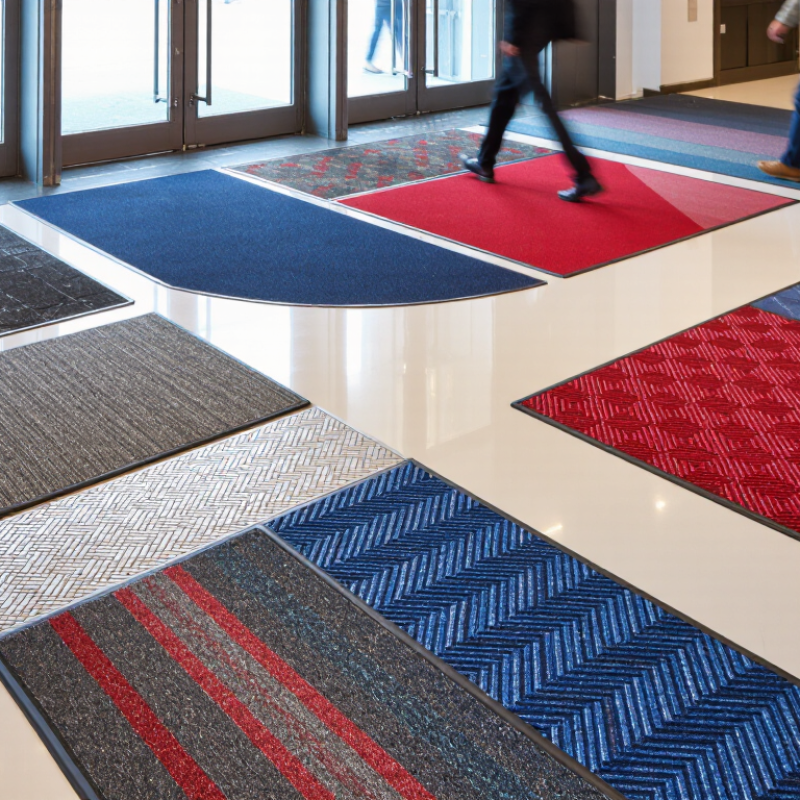
China’s custom printed floor mat sector serves retail stores, hotels, offices, schools, and event spaces. In 2024, buyers showed stronger interest in logo mats, seasonal graphics, and wayfinding designs. These products combine decoration with practical dirt control.
Polyester mats offer sharp color reproduction and moderate indoor durability. Nylon handles heavier foot traffic but usually costs more. Rubber or PVC backing improves grip and helps prevent moisture reaching the floor. Some entrance mats use recycled fibers, although sustainability claims need careful material verification. Printing methods include dye sublimation, digital printing, and heat transfer. Each method affects color depth, order size, and washing performance.
Available 2024 industry reports indicate steady demand from commercial renovation, hospitality, and online custom orders. However, market figures vary widely between export data, factory quotations, and retail sales. That makes simple “market size” claims unreliable. Buyers should request a physical sample, backing test, color reference, and abrasion information. I have found that attractive proofs can hide weak edges or curling corners. Small details matter. A clear specification should include dimensions, pile height, delivery tolerance, packaging, and cleaning instructions. Some manufacturers also provide low-volume production, but sample quality may not represent long-term performance. Careful comparison remains necessary.
How to Rank China’s Top 10 Mat Manufacturers Using 8 Industry Metrics
Ranking China’s top 10 custom printed floor mat manufacturers requires more than comparing online catalogs. A practical review should use eight industry metrics: material quality, print accuracy, customization range, production capacity, quality control, compliance documentation, lead time, and total cost. These measures reveal differences that polished product photos often hide.
Material quality should be checked through thickness, backing grip, edge finishing, and resistance to repeated foot traffic. Request physical samples. Inspect color consistency under daylight and indoor lighting. Print accuracy matters, especially for small text and detailed logos. A reliable manufacturer should explain its printing process and provide measurable tolerances. Customization should cover sizes, shapes, materials, packaging, and sample development.
Production capacity shows whether the factory can handle seasonal demand without losing consistency. Review equipment, worker inspection points, and batch records where available. Ask for realistic lead times, not attractive promises. Compliance documents should match the destination market and current product specifications. Pricing deserves careful analysis because a low quote may exclude sampling, packaging, or shipping preparation. After-sales support also matters when defects appear.
No ranking is perfect. A factory may score well on volume but poorly on communication. Another may offer excellent samples but limited capacity. I would record evidence for every metric, verify claims through samples, and update scores after a pilot order. That extra step takes time. It can prevent an expensive mistake.
Printing Methods Compared: Dye Sublimation, Screen Printing, and UV Technology
When comparing China’s top ten custom printed floor mat manufacturers, printing method matters more than catalog size. Dye sublimation pushes ink into polyester fibers, creating vivid gradients and detailed logos. It suits indoor entrances, retail displays, and short promotional runs. Colors remain attractive after repeated vacuuming, though heavy friction can slowly reduce sharpness. Screen printing places ink through a mesh stencil. It produces strong solid colors and tactile coverage on suitable surfaces. This method works well for simple artwork and larger quantities. However, fine gradients may look uneven. That limitation is easy to overlook.
UV printing cures ink directly on the mat surface with ultraviolet light. It can support quick sampling, bold graphics, and some nonwoven materials. The finish may feel slightly raised or less flexible. Confirm adhesion before ordering. Experienced manufacturers should provide material samples, color proofs, pile-height guidance, and abrasion-test details. Ask how they control registration, edge trimming, odor, and color variation between batches. A reliable supplier also explains cleaning limits instead of promising permanent perfection. In practice, no method wins every project. I have seen attractive samples fail when the backing was too thin for busy entrances.
Tips: Match the method to usage, not only artwork. Request a physical sample. Compare colors under entrance lighting. Check whether the mat lies flat after washing. Record approval details before mass production. Small tests prevent expensive assumptions.
Factory Benchmarks: ISO 9001, REACH, RoHS, and 50,000-Cycle Abrasion Tests
China’s top custom printed floor mat manufacturers should be judged by evidence, not catalog claims. ISO 9001 shows that a factory controls documented processes, but it does not guarantee every mat is flawless. Check the certificate scope, issuing body, and renewal date. Ask whether printing, rubber backing, cutting, and final inspection appear within that scope.
REACH and RoHS documentation matters when mats enter regulated markets or public facilities. Reliable factories should provide recent laboratory reports, material declarations, and traceable batch information. Look closely at dyes, PVC components, backing compounds, and metal accessories.
A 50,000-cycle abrasion test is useful, but only when the method is clear. Confirm the wheel type, pressure, speed, dry or wet conditions, and pass criteria. Request photographs before and after testing. Small details reveal more than a polished presentation.
From factory audits, I would also inspect sample edges, curl resistance, color consistency, and packaging damage. Real floors are less predictable. Dust, moisture, heavy carts, and uneven cleaning can shorten service life. The test is not the whole story. Manufacturers with strong technical teams usually explain failure limits instead of promising impossible durability. I would keep one reservation: even certified systems can become paperwork exercises if operators skip checks during busy production. Independent retesting and a signed pre-shipment inspection remain sensible safeguards.
Top 10 Manufacturers Compared by MOQ, Lead Time, Capacity, and Export Reach
China Top 10 Custom Printed Floor Mat Manufacturers?
A practical comparison should examine MOQ, lead time, production capacity, and export reach. In supplier reviews, MOQs commonly range from 50 to 500 pieces. Lower MOQs suit trials, while larger orders may unlock better unit pricing. Lead times often fall between 7 and 25 working days, depending on artwork approval, material availability, and finishing requirements. Ask whether the quoted time includes sampling and packaging.
Capacity deserves closer inspection. A factory may claim high monthly output, yet production lines can be shared with seasonal orders. Request recent capacity records, sample approvals, and photos of printing, cutting, backing, and inspection areas.
Small workshops may offer flexible customization, while larger facilities usually manage repeat orders more consistently. Neither option is automatically better.
Export reach also indicates operating experience. Manufacturers serving North America, Europe, Southeast Asia, and the Middle East should understand different labeling, packaging, and documentation expectations. However, export destinations alone do not prove reliability. Check shipment references, quality-control procedures, material test reports, and response times.
A neat comparison table can mislead. MOQ and lead time may change after artwork revisions, so written confirmation matters. I would compare at least three samples before making a purchasing decision. Cost is important, but uneven edges and weak backing create expensive problems later.


