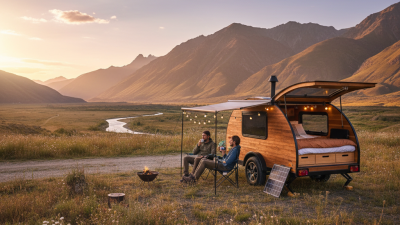
How to Build a Portable Tiny House on a Budget?
Building a portable tiny house on a budget can be a rewarding yet challenging endeavor. Renowned tiny house expert, Jay Shafer, once said, "The best homes are those that allow us to live simply and sustainably." This notion resonates deeply with many who aspire to simplify their lives while being budget-conscious.
Creating a portable tiny house involves careful planning and resourcefulness. You might find unique materials at local salvage yards. Using recycled or reclaimed materials can significantly cut costs. The beauty of a portable tiny house lies in its flexibility. Yet, affordability can be elusive. It can require compromising on space or comfort.
Each decision impacts the overall structure and livability. You might face hurdles with insulation or plumbing. Reflecting on these challenges will enhance your building journey. Remember, the goal is not only to save money but to create a home that embodies your values of simplicity and sustainability.
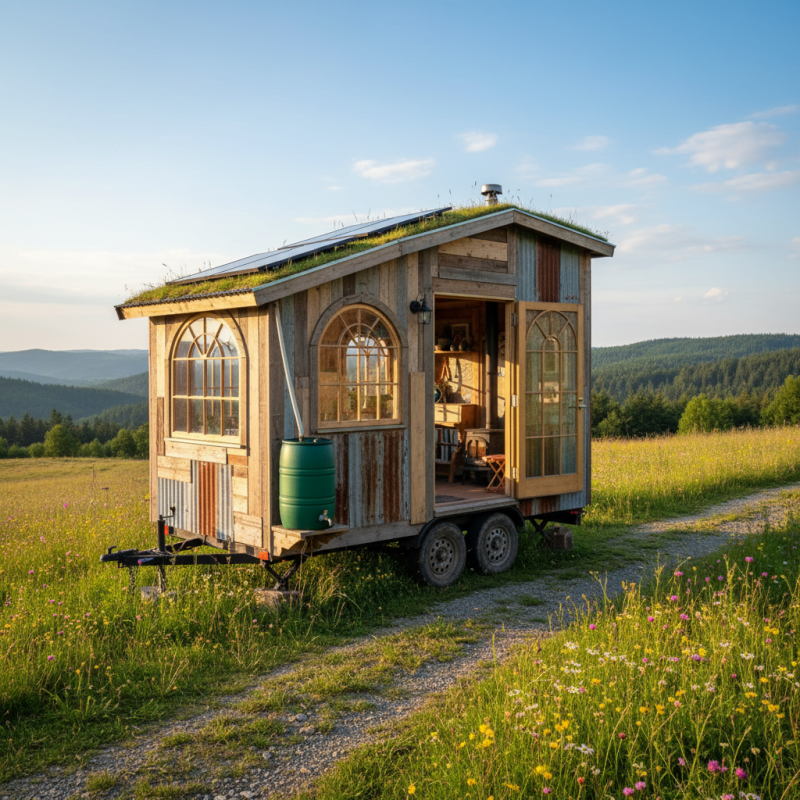
Choosing the Right Design for a Portable Tiny House on a Budget
When choosing the right design for a portable tiny house on a budget, consider simplicity first. A minimalist approach can save on materials and reduce costs. Think about using a basic rectangular shape. This design is easier to build and transport. It also requires fewer materials, which can help you stick to your budget.
Next, focus on functionality. Each space should serve a purpose. For instance, a foldable table can save space while providing utility. A Murphy bed can free up floor space during the day. You might find that creating multifunctional areas reduces the need for extra rooms. Yet, this can also lead to clutter. A streamlined layout is ideal, but it may take time to perfect.
Lastly, be open to imperfections. Maybe your walls aren't perfectly straight. Perhaps the roof has small gaps. These flaws can be part of the charm. They remind you that this tiny house is a work in progress. Reflecting on what truly matters can make the journey enjoyable. Embrace the experience, learning from each step as you get closer to your ideal tiny home.
Optimal Materials for Cost-Effective Construction of Tiny Houses
Building a portable tiny house on a budget requires careful consideration of materials. One optimal choice is reclaimed wood. This material not only saves money but also adds character. Salvaged wood from old buildings can create unique walls that tell a story. However, you must inspect it thoroughly for pests or damage before use.
Another cost-effective option is metal roofing. It is durable and can last for decades. Metal reflects heat, keeping your tiny house cooler in summer. Yet, installation can be tricky. You might need extra help or tools. Consider also using plywood for flooring. It’s affordable and can withstand heavy traffic. Just remember, untreated plywood might warp if exposed to moisture.
Focus on insulation too. Spray foam can be pricey but offers great energy efficiency. Alternatively, rigid foam panels are more budget-friendly. They may require more effort to install but work effectively. Remember, each material choice impacts your budget and final build quality. Balancing cost and durability is essential. Prioritize what matters most for your tiny home dream.
Cost-Effective Materials for Building a Portable Tiny House
DIY vs. Hiring Professionals: Cost Analysis for Tiny House Projects
Building a portable tiny house on a budget requires careful planning. One key decision is whether to DIY or hire professionals. Each option has its pros and cons. DIY can save money but may lead to mistakes. You might find yourself spending extra time or resources fixing errors. It’s important to weigh the cost of materials against the value of your time.
On the other hand, hiring professionals could provide expert quality. You'll likely see better craftsmanship and quicker completion. However, it often comes with a higher price tag. This choice may strain your budget, especially if you have limited funds. Some people regret not considering their skills and the complexity of the project. Reflecting on your abilities can save both money and frustration.
Assessing the cost analysis is crucial before making a decision. Create a detailed budget, noting potential hidden costs. This will guide you in allocating funds wisely. Whether you choose DIY or hire help, being realistic about your financial limits is essential. A tiny house should not lead to overwhelming debt or stress.
How to Build a Portable Tiny House on a Budget? - DIY vs. Hiring Professionals: Cost Analysis for Tiny House Projects
| Cost Component |
DIY Costs ($) |
Professional Costs ($) |
| Materials |
5,000 |
10,000 |
| Labor |
Free (self-built) |
15,000 |
| Permits and Fees |
500 |
1,000 |
| Utilities Setup |
1,000 |
2,500 |
| Total Estimated Cost |
6,500 |
28,500 |
Maximizing Space Efficiency: Tips for Tiny House Interiors
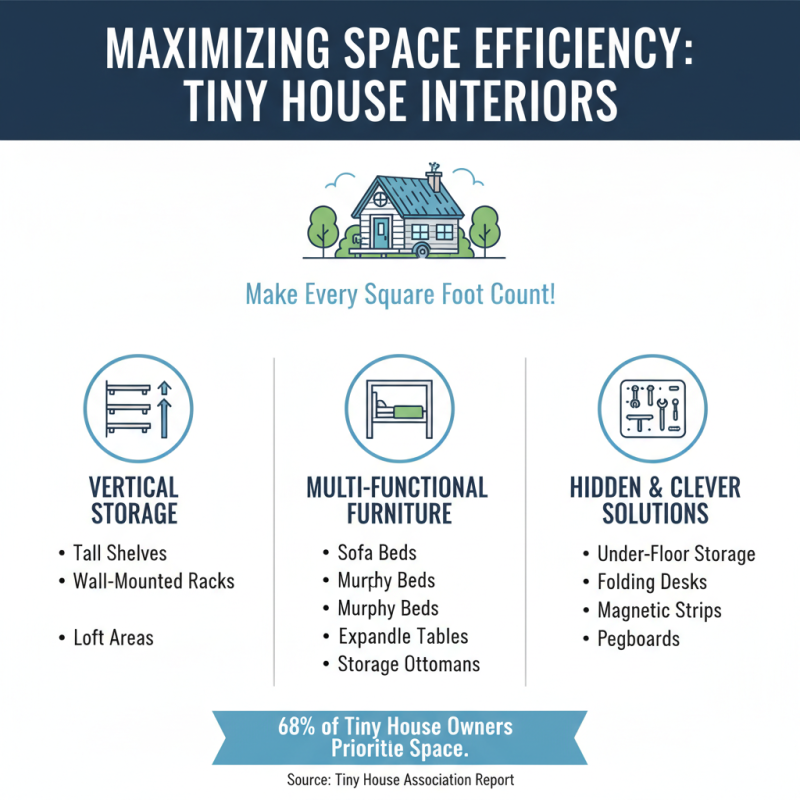
Maximizing space in a tiny house is crucial. According to a report by the Tiny House Association, nearly 68% of tiny house owners cite space efficiency as a top priority. With careful planning, you can make every square foot count.
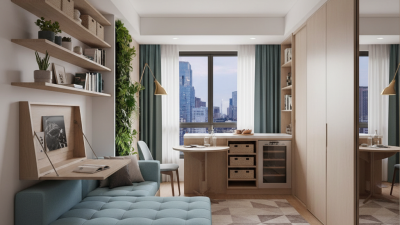
One effective tip is to use multifunctional furniture. For instance, a table that folds down can serve as a workspace, dining area, or extra surface. Likewise, consider lofted beds. They free up floor space for storage or living areas. It’s not always easy to find the balance between comfort and utility, but getting creative can yield impressive results.
Another idea is vertical storage. Shelves, hooks, and cabinets that go up instead of taking up floor space can help. Look for unused areas, like stairs or the walls. A well-structured approach allows you to store items while maintaining an open feel. Simplifying belongings can also help, as 43% of tiny house dwellers report that decluttering leads to a more satisfying living space. Stay mindful of what you truly need and keep only essentials.
Budgeting and Financing Options for Building a Portable Tiny House
Building a portable tiny house can be an exciting endeavor, especially on a budget. Financial planning is crucial here. According to the 2023 Tiny House Industry Report, the average cost of building a tiny house is around $30,000. This figure can vary widely, depending on materials and size. Many individuals opt for DIY projects to cut down costs. It’s essential to track expenses meticulously throughout the process.
Financing options can also be quite diverse. Some choose personal loans, while others explore financing through credit unions. In a survey, 48% of tiny house owners leveraged savings for construction. Crowdfunding is another emerging method. Platforms allow future homeowners to share their vision and receive contributions from friends or the community. This approach requires clear communication and a solid plan to engage potential donors.
However, building a tiny house also presents challenges. Limited budgets may compromise quality. Cheaper materials could lead to maintenance issues later on. It's a balancing act between immediate savings and long-term reliability. Reflecting on these elements early can save time and money down the line. Assessing your needs versus your budget is vital before embarking on this journey.