How to Build Your Own Tiny Homes on Wheels for Affordable Living
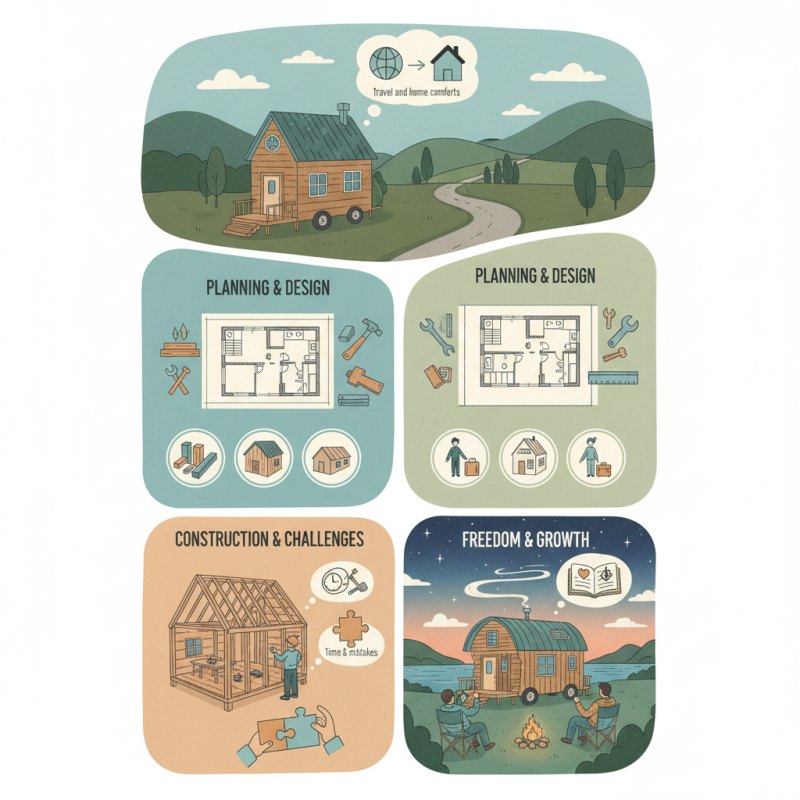
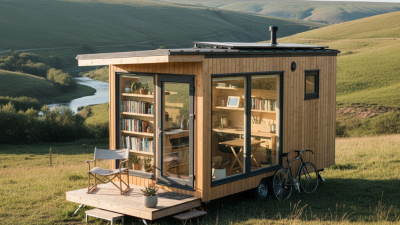
Tiny homes on wheels have gained popularity for affordable living solutions. These compact dwellings allow people to embrace a minimalist lifestyle. Imagine having the freedom to travel while enjoying all the comforts of home.
Building your own tiny home on wheels requires careful planning and creativity. You’ll need to consider various materials, sizes, and designs. It’s a rewarding experience, but it can be challenging. Many find it hard to downsize their belongings. It’s essential to reflect on what you truly need.
As you embark on this journey, anticipate obstacles. The construction process may take longer than expected. Mistakes are part of learning; embrace them. Each tiny home on wheels tells a story of adventure and personal growth. Consider what you want in your space, and let your imagination guide you.
Understanding Tiny Homes on Wheels: Definition and Benefits
Tiny homes on wheels are transforming the concept of affordable living. They provide a unique solution for those seeking to downsize. According to the American Tiny House Association, about 68% of tiny homeowners report a significant decrease in their living expenses. This shift is largely due to lower mortgage costs and reduced utility bills.
In addition to affordability, tiny homes on wheels offer mobility. Owners can relocate with minimal hassle. The possibility of traveling while maintaining a home creates a sense of freedom. However, living in a tiny space comes with challenges.
Storage is limited, and organization is vital. For many, adjusting to a smaller lifestyle requires significant mental shifts. Some people feel claustrophobic or overwhelmed.
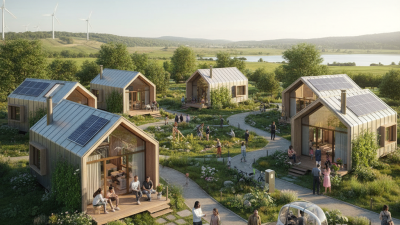
Tiny homes also promote a simpler lifestyle. They encourage sustainable living, often requiring fewer resources. For instance, many tiny homes incorporate eco-friendly features like solar panels. But not everyone finds this lifestyle easy. It may demand sacrifices, such as giving up excess belongings and embracing minimalism. Individuals must be prepared for these compromises.
Key Design Considerations for Building Your Own Tiny Home on Wheels
When planning to build a tiny home on wheels, design considerations are crucial. The National Association of Home Builders states that the average tiny house costs between $30,000 to $60,000. This budget requires careful thought on materials and layouts. Selecting lightweight, durable materials can reduce overall costs. It can also enhance mobility and ease of transport, making it essential for a lifestyle centered around freedom and flexibility.
Floor plans should optimize space. Functional areas must be considered, such as a compact kitchen and a multi-purpose living room. Smart storage solutions can transform underutilized spaces into functional areas. For instance, using foldable furniture can save significant space. However, some homeowners overlook the impact of these decisions on daily living. Prioritizing comfort is key, even in a small space.
Utilities are another area demanding attention. Ensuring efficient water and energy systems can be challenging. Some tiny homeowners find it tough to balance off-grid capabilities with modern amenities. The National Renewable Energy Laboratory suggests that a solar panel system can significantly reduce energy costs. Yet, initial investments may pose financial barriers. These are the considerations that define the essence of tiny home living. Careful planning can lead to fulfilling experiences.
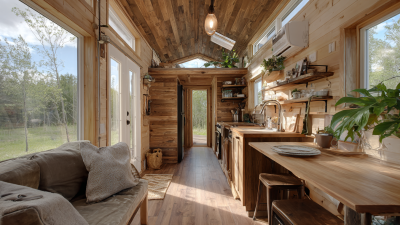
Living Space of Tiny Homes on Wheels
Essential Materials and Tools: Cost-Effective Choices for Construction
Building your own tiny home on wheels can be an affordable solution for many. By selecting the right materials, you can significantly reduce costs. According to industry reports, the average cost of materials for a tiny home ranges from $10,000 to $30,000, depending on the quality and design choices.
For a cost-effective build, consider using reclaimed wood. Not only is it cheaper, but it also adds character. The use of recycled materials can lower costs by up to 40%. In addition, opting for a simple design with fewer custom features keeps expenses manageable.
Tips: Always shop around for materials. Comparing prices can lead to meaningful savings. Check local surplus stores or online marketplaces for discounted options.
Tools are just as important as materials. Basic tools like a saw, drill, and sledgehammer are essential. More advanced equipment may be needed for framing and insulation. Yet, investing in high-quality tools can be pricey. Borrowing or renting tools can save money while ensuring you have what you need.
Mistakes often happen during construction. Perhaps a miscalculated measurement leads to wasted materials. Be prepared to reflect on these moments and learn. Allow for adjustments in your budget to cover unplanned expenses. Building a tiny home is a journey, filled with challenges and rewards.
Regulatory and Zoning Challenges: Navigating Tiny Home Legalities
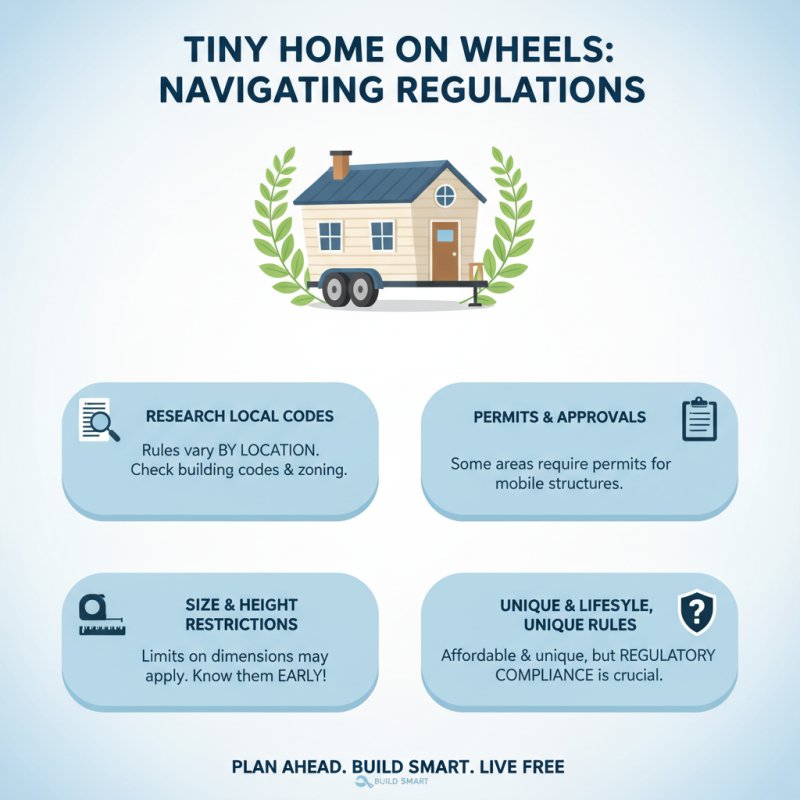
Building a tiny home on wheels can offer a unique and affordable lifestyle. However, navigating regulatory and zoning challenges is essential. Each area has different rules. Researching local building codes is a must before starting your project. Some places may require permits for mobile homes. Others might restrict the size or height. It’s crucial to know these details early.
Zoning laws often dictate where you can park your tiny home. Some areas may allow long-term stays, while others might not. Finding a suitable location can become frustrating. You might discover that some parks are not welcoming to tiny homes. Developing a rapport with local authorities can help. Getting approvals can be a slow process, and you may encounter setbacks. Some communities embrace tiny homes; others do not.
Additionally, consider the utilities. Connecting to water and electricity may involve complex regulations. Planning off-grid systems could be a solution. Be aware of waste disposal issues, too. You may need to install proper systems for sanitation. The journey isn’t easy, but understanding these challenges will pave the way for a successful tiny home experience.
Financial Implications: Budgeting for a Tiny Home on Wheels Project
Building a tiny home on wheels is an exciting journey. However, financial planning is crucial. Start by determining your overall budget. This includes material costs, labor, and permits. Research local regulations, as these can vary significantly. Unexpected fees can quickly add up, so create a buffer in your budget.
Next, consider how you will finance the project. Explore your savings or possible loans. It's vital to keep track of every expense. Sometimes, small purchases can surprise you. Aim for a simple design, which can lower costs. However, simplicity often brings challenges. What to leave out? What materials to prioritize? Each choice is essential.
In addition, think about long-term expenses. Maintenance, insurance, and utility costs can accumulate over time. These often impact the affordability of your tiny home. Reflect on your lifestyle needs. A tiny home isn't merely a roof; it's about how you live. Be prepared for trade-offs and moments of doubt as you embark on this significant decision.