Best Modern Tiny Homes in China for Global Buyers?
As the global demand for sustainable living increases, modern tiny homes have gained significant attention. A report by the Global Tiny Home Market indicates that the market is expected to grow by over 20% annually through 2025. In China, this trend reflects a shift towards minimalism and efficient living. Modern tiny homes address space constraints faced by urban dwellers while promoting environmentally friendly practices.
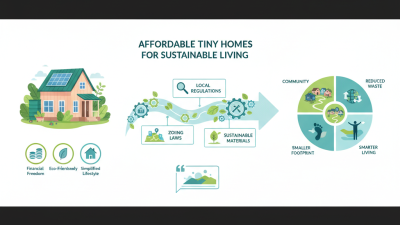
These homes merge innovative design with functionality. Features like multi-purpose furniture and energy-efficient materials cater to the needs of today’s conscious consumer. However, the concept of tiny living is not without challenges. Many buyers worry about zoning regulations and limited space options. The design standards can vary significantly, impacting the overall experience.
For global buyers, China's modern tiny homes represent both an opportunity and a puzzle. Understanding local practices and market conditions is essential. Balancing aesthetic appeal with practical considerations is paramount. While modern tiny homes offer a promising way forward, prospective buyers must engage thoughtfully. Embracing the tiny home lifestyle requires more than just aesthetics; it demands a commitment to a new way of living.
Overview of Tiny Homes in China and Their Appeal to Global Buyers
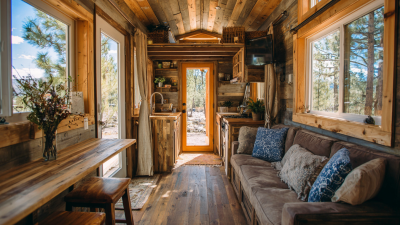
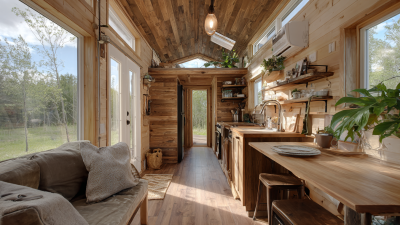
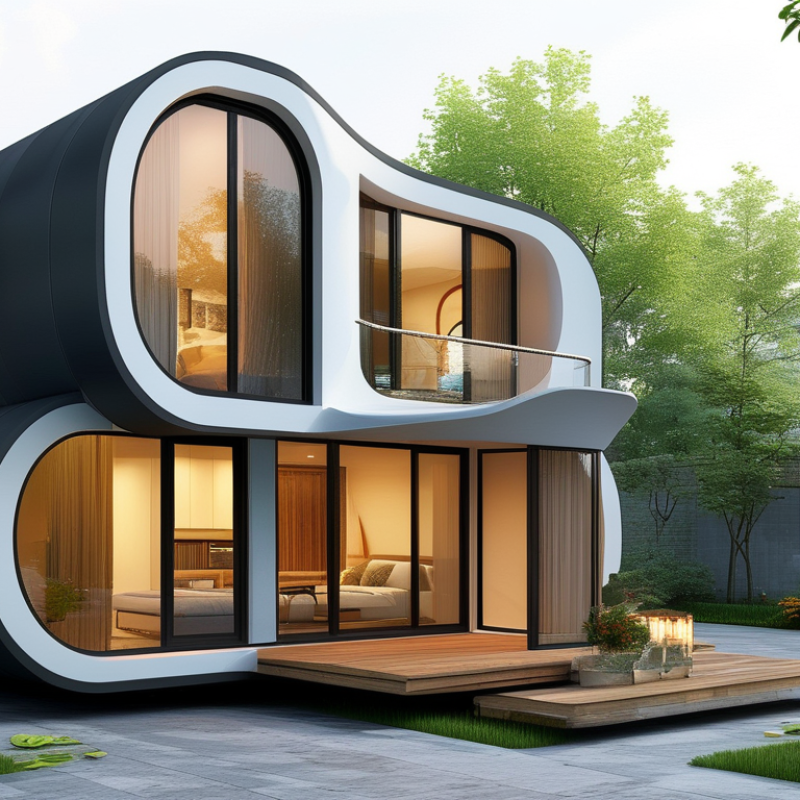
Tiny homes in China are capturing global interest. These compact living spaces offer innovative designs and sustainable living options. Many new tiny homes incorporate modern amenities, maximizing usable space while minimizing environmental impact. Features like foldable furniture and multifunctional areas are becoming increasingly common. This unique approach attracts buyers seeking affordable housing solutions.
The appeal of tiny homes extends beyond price. They represent a lifestyle focused on simplicity and minimalism. In a rapidly urbanizing world, these homes offer a refuge from the chaos. Potential buyers appreciate the freedom from excessive materialism. However, there are considerations. Space limitations can lead to challenges in storage and comfort. Buyers should reflect on their lifestyle needs before committing to a tiny home.
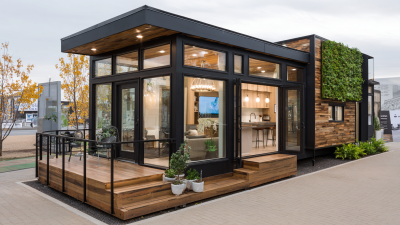
Architectural styles vary greatly across regions in China. From sleek modern designs to traditional influences, there's something for everyone. Some tiny homes use local materials, enhancing their cultural significance. The growing interest also opens discussions about sustainable building practices. As China continues to innovate, tiny homes may redefine what it means to live well without excess.
Key Features of Modern Tiny Homes: Design, Functionality, and Sustainability
Modern tiny homes in China appeal to a diverse global audience. Their design often integrates minimalist aesthetics with functional layouts. Research shows that tiny homes can reduce living space energy consumption by up to 50%, promoting a sustainable lifestyle. These compact residences often feature multi-functional furniture and efficient use of natural light, maximizing both space and comfort.
Functionality is a core aspect of modern tiny homes. Many designs suggest innovative storage solutions and adaptable spaces that meet various needs. Reports indicate that tiny homes can still incorporate essential amenities, such as kitchens and bathrooms, within a footprint as small as 200 square feet. This compact living encourages simplicity and reduces environmental impact, aligning well with sustainable living trends.
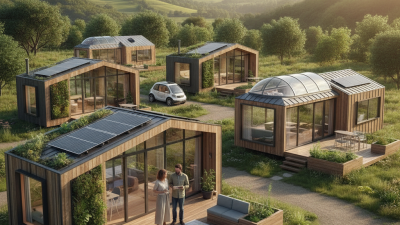
Sustainability is a driving factor in modern tiny home construction. Many builders focus on eco-friendly materials and energy-efficient systems. A significant number of tiny homes use solar power and rainwater collection systems, minimizing dependence on non-renewable resources. However, potential buyers should reflect on the challenges of downsizing and the emotional aspects of leaving larger spaces behind. The transition to tiny living is not just about space; it's about embracing a new lifestyle.
Top Regions in China for Tiny Home Development and Investment Opportunities
China's tiny home market offers rich investment opportunities, particularly in regions known for their natural beauty and urban growth. Places like Sichuan and Yunnan stand out for their sustainable development focus. In these areas, buyers can find modern designs that blend with nature. The allure of small, eco-friendly homes attracts both local and global interest.
The housing landscape in China is evolving rapidly. Many cities are embracing tiny homes as a solution to urban sprawl. Coastal regions, such as Guangdong and Zhejiang, also present promising prospects. Investors should weigh the benefits of attractiveness against potential regulatory hurdles. Understanding local policies and environmental concerns is crucial when exploring these opportunities.
However, some challenges remain concerning infrastructure and zoning regulations. Not all areas support tiny home living due to traditional views on property sizes. Buyers need to navigate these complexities. Sustainable practices in the tiny home market can lead to rewarding investments but require careful planning and consideration. Regional differences in acceptance affect investment decisions. Aspiring homeowners and investors must remain adaptable and informed.
Notable Tiny Home Builders in China Catering to International Markets
In recent years, the tiny home movement has captured attention across the globe. China has emerged as a significant player in this market, with various builders focusing on international buyers. According to a recent industry report, the global tiny home market is expected to reach $4.4 billion by 2026, reflecting growing interest in minimalistic living and sustainability. This shift is particularly evident in urban areas, where space is limited.
Notable tiny home builders in China have developed designs that blend traditional elements with modern aesthetics. These homes often feature eco-friendly materials and energy-efficient systems. Buyers are looking for unique layouts that maximize small spaces, while still providing comfort. A report by the International Energy Agency highlighted that homes using sustainable materials can reduce energy consumption by up to 30%.
This trend aligns well with the global push for greener living solutions.
However, there are challenges that builders face. Adapting designs to meet diverse international regulations can be complicated. Also, ensuring quality control while scaling production is critical. Feedback from buyers reveals mixed experiences regarding the customization options available. As the market evolves, it’s crucial for builders to address these issues to improve buyer satisfaction and expand their reach.
Challenges and Considerations for Global Buyers of Tiny Homes in China
Global buyers interested in tiny homes in China face unique challenges. The language barrier can complicate communication with local builders and sellers. Understanding local construction regulations is essential yet often difficult. Each region has its own rules, making research vital.
Cultural differences also play a role. Buyers may find that design preferences vary widely. What appeals to one group may not resonate with another. Moreover, sourcing sustainable materials poses additional hurdles. Limited options can hinder eco-friendly choices.
Financing a tiny home in China can be tricky. Many institutions are unfamiliar with this niche market. Buyers should prepare for potential obstacles when seeking loans. Additionally, resale value may not be guaranteed. Developing a flexible mindset is crucial in navigating this evolving sector. Understanding these considerations can lead to more informed decisions.
Best Modern Tiny Homes in China for Global Buyers
| Feature |
Description |
Challenges |
Considerations |
| Design Flexibility |
Modern architecture with customizable layouts. |
Cultural preferences may vary greatly. |
Ensure design meets local regulations. |
| Sustainability |
Use of eco-friendly materials and energy-efficient systems. |
Availability of sustainable products may be limited. |
Check the sustainability certifications. |
| Cost-effectiveness |
Affordable housing solutions appealing to global buyers. |
Hidden costs may arise during transportation and installation. |
Consider total cost of ownership beyond initial price. |
| Mobility |
Easy to relocate, ideal for varied living conditions. |
Regulatory issues regarding temporary structures. |
Understand local zoning laws before purchasing. |
| Community Living |
Opportunities for shared amenities and communal areas. |
Differing cultural views on communal living. |
Evaluate community culture before joining. |