Discover the Benefits of Rent to Own Tiny Homes: Your Affordable Housing Solution
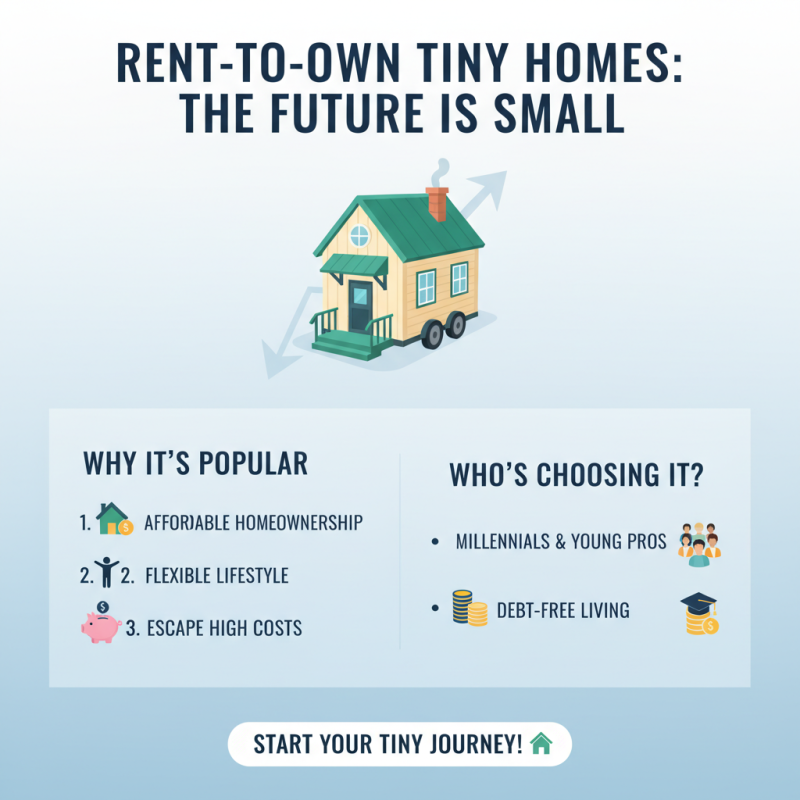
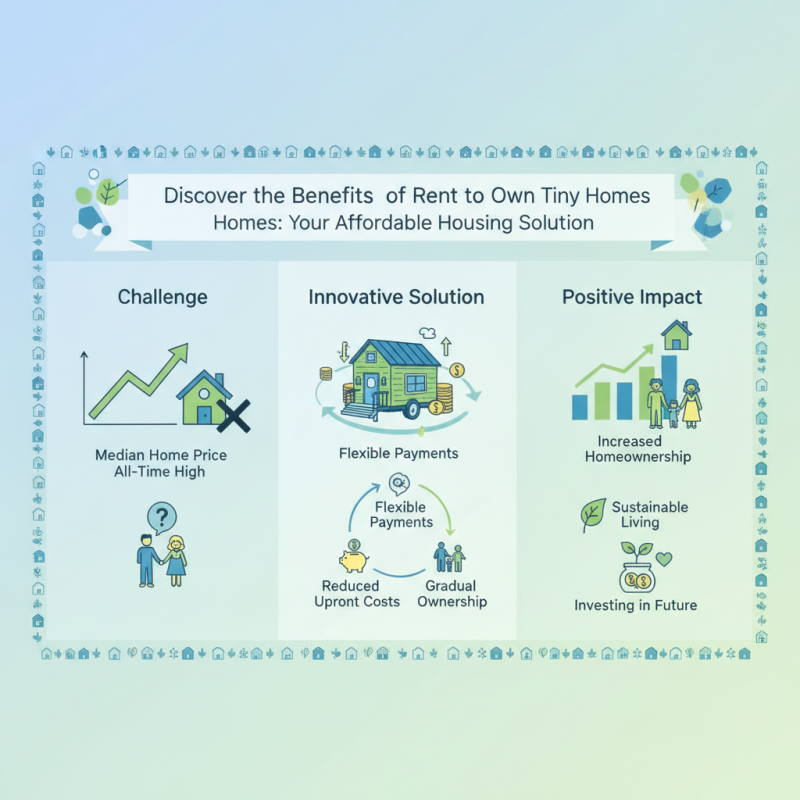
In recent years, the housing market has faced significant challenges, leading many individuals and families to seek alternative solutions for homeownership. A growing trend is the emergence of "rent to own tiny homes," a concept that offers an innovative pathway to affordable housing. According to a report by the U.S. Census Bureau, the median home price has reached an all-time high, making it increasingly difficult for first-time buyers to enter the market. This has fueled interest in tiny homes, which provide a more budget-friendly alternative while still allowing for the benefits of homeownership.
The "rent to own" model further enhances the affordability of tiny homes, as it allows tenants to gradually work towards ownership while living in the home they desire. A study by the National Association of Realtors indicates that this arrangement can potentially increase homeownership rates, especially among younger demographics and low-to-moderate income families. By offering flexible payment options and reducing the upfront financial burden, rent to own tiny homes present a viable and attractive solution for those who yearn for sustainable living without the overwhelming costs typically associated with traditional housing. This approach not only addresses the immediate need for affordable housing but also empowers individuals to invest in their future.
Understanding Rent to Own Models in Tiny Homes
The rent-to-own model for tiny homes presents an innovative solution to the ongoing housing affordability crisis. By allowing individuals to rent a home with the option to purchase it after a set period, this model significantly lowers the barrier to homeownership. According to data from the National Association of Realtors, homeownership rates in the U.S. are at their highest since the housing market collapse in 2008, yet many people still struggle to enter the market due to high initial costs. Rent-to-own arrangements can help bridge this gap, as they often require lower upfront costs compared to traditional home purchases, making them an attractive option for first-time buyers and those with limited financial resources.
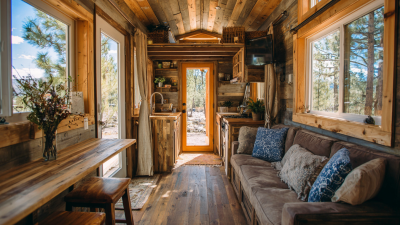
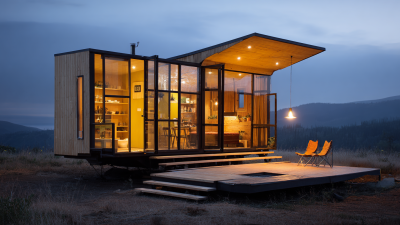
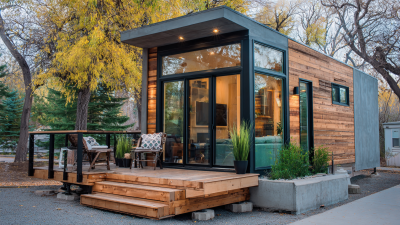
Furthermore, the tiny home movement has gained considerable momentum, with the American Tiny House Association reporting that nearly 68% of tiny home owners are mortgage-free. This statistic underscores the appeal of tiny living, which prioritizes minimalism and affordability. Through rent-to-own programs, prospective homeowners can familiarize themselves with tiny living without the immediate financial commitment, allowing them to assess their long-term needs and lifestyle preferences. Given the rising interest in sustainable living and smaller footprints, exploring rent-to-own tiny homes could be a smart financial move for many, promoting a way of living that emphasizes both affordability and environmental sustainability.
Benefits of Rent to Own Tiny Homes
This chart illustrates the various benefits associated with rent to own tiny homes, showcasing the percentage of individuals who prioritize specific advantages while considering affordable housing solutions.
Key Benefits of Rent to Own Tiny Homes for Affordable Housing
Rent to own tiny homes are gaining traction as a viable solution to the affordable housing crisis, providing a unique pathway for individuals and families seeking homeownership without the burdens of traditional mortgage financing. According to recent reports, nearly 70% of Americans consider homeownership a priority, yet skyrocketing property prices and rising living costs have created significant barriers. The rent-to-own model offers an innovative alternative, allowing tenants to rent with the option of purchasing the property, thereby fostering stability and long-term investment in a growing housing niche.
One of the key benefits of rent to own tiny homes is the lower initial financial commitment. Typically, these homes can be rented at rates that are significantly more affordable than conventional apartments or homes. A survey by the National Low Income Housing Coalition highlighted that a considerable portion of the U.S. population is burdened by housing costs, with many spending over 30% of their income on rent. Rent to own options can alleviate this strain, allowing individuals to transition gradually into homeownership while contributing towards an eventual purchase. Furthermore, tiny homes, which average between 100 and 400 square feet, inherently reduce utility and maintenance costs, making them an economically feasible choice for those on tight budgets.
Additionally, the flexibility of rent to own agreements makes them particularly attractive in a rapidly changing housing market. According to the U.S. Census Bureau, the tiny home movement has seen a consistent annual growth rate of 3% to 5%, reflecting shifting societal values towards minimalism and sustainability. Rent to own arrangements provide prospective homeowners with the opportunity to live in their desired community, test the property, and make informed financial decisions without the immediate pressure of securing a mortgage—ultimately contributing to a more empowered and savvy approach to homeownership.
Current Market Trends in Tiny Home Rentals and Sales
The tiny home market has gained significant traction in recent years, with a growing trend towards rent-to-own models that offer an affordable pathway to homeownership. According to a recent report by the National Association of Realtors, the tiny home market grew approximately 22% in 2022 alone, driven largely by rising housing costs and a desire for minimalist living. This shift reflects the increasing recognition of tiny homes as a viable solution for individuals and families seeking economical housing options.
Current market trends indicate a notable increase in demand for rentals and sales of tiny homes, particularly among millennials and Gen Z. A study by the Urban Land Institute revealed that over 50% of potential buyers are considering tiny homes due to their lower environmental impact and reduced financial burden. The rent-to-own model has emerged as a compelling alternative, allowing individuals to gradually invest in their homes while enjoying the benefits of affordability and flexibility. With financing options that cater to a wider audience, more people are now able to enter the housing market without the heavy financial strain associated with traditional home purchases. As the tiny home movement continues to evolve, it is likely to play a crucial role in addressing the housing crisis faced by many communities across the country.
Financial Analysis: Cost Comparison of Rent to Own vs. Traditional Home Buying
Rent to own tiny homes provide a unique approach to homeownership, especially for those seeking an affordable housing solution. One key advantage of this model is the flexibility it offers compared to traditional home buying. With a rent to own agreement, individuals can move into their future home while paying rent that contributes towards the purchase price. This arrangement can significantly lower the initial financial burden, as traditional buying often involves hefty down payments and closing costs. Additionally, individuals can live in the home and assess its suitability before committing to a purchase, minimizing the risk associated with large investments.
When conducting a financial analysis, a cost comparison between rent to own and traditional home buying reveals compelling differences. Traditional home purchases typically require a mortgage, which involves interest payments and long-term financial commitments that can strain budgets. In contrast, the rent to own model allows for a more predictable monthly payment structure without immediate, extensive financial obligations. Over time, the total costs associated with a rent to own agreement can often be less than accumulated costs when purchasing a home traditionally, particularly when factoring in closing costs, maintenance expenses, and the potential for property value fluctuations. This strategy not only provides a pathway to ownership but also makes dependable housing more accessible for a wider audience.
Discover the Benefits of Rent to Own Tiny Homes: Your Affordable Housing Solution
| Housing Option |
Average Monthly Payment |
Down Payment |
Total Cost After 5 Years |
Equity Built After 5 Years |
| Rent to Own Tiny Home |
$800 |
$5,000 |
$53,000 |
$15,000 |
| Traditional Home Purchase |
$1,500 |
$30,000 |
$120,000 |
$24,000 |
Demographic Insights: Who is Choosing Rent to Own Tiny Homes?
The trend of rent-to-own tiny homes is rapidly gaining traction among various demographic groups seeking affordable housing solutions. Among these groups, millennials and young professionals are particularly drawn to the concept. With student loans and high living costs weighing heavily on their finances, these individuals are searching for innovative ways to achieve homeownership without the burden of a hefty mortgage. Tiny homes offer an economical alternative, allowing them to invest in their future while enjoying the freedom of a flexible lifestyle.
Additionally, retirees looking to downsize are also embracing the rent-to-own model. After years of accumulating possessions and managing larger homes, this demographic finds relief in the simplicity and lower maintenance demands of tiny living. Rent-to-own options enable them to transition smoothly into smaller spaces, providing both a sense of security and the opportunity to invest in property. This growing interest reflects a broader societal shift towards minimalism, sustainability, and financial freedom, making tiny homes an appealing choice across various age groups and lifestyles.