Affordable Tiny Homes Tips for Budget-Friendly Living?
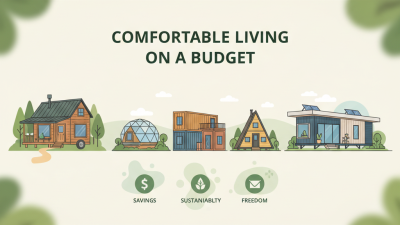
In recent years, affordable tiny homes have gained popularity among those seeking budget-friendly living solutions. These compact houses offer an opportunity to downsize and simplify life. Embracing minimalism can lead to reduced expenses and increased freedom.
Building or purchasing an affordable tiny home requires careful planning. Potential homeowners must consider land costs, design, and sustainability. Yet, not all journeys are smooth. Challenges like zoning laws and financing can arise. These obstacles require innovative thinking and adaptability.
Living in a tiny home is not just about saving money. It is about re-evaluating priorities. While the idea of minimalist living is appealing, it may lead to moments of doubt. People may miss the space they once had. The key is finding balance. The dream of affordable tiny homes can become a rewarding lifestyle with the right mindset.
Understanding the Concept of Affordable Tiny Homes
Affordable tiny homes are gaining traction in today's housing market. They provide an attractive solution to rising living costs. According to a recent survey, around 68% of potential homeowners are considering tiny homes to manage expenses. This approach caters to those seeking financial freedom without compromising on quality.
Many tiny homes are designed for sustainability and efficiency. This focus can lead to significant savings in utilities. Reports suggest that energy costs can drop by up to 50% in tiny homes. With a smaller footprint, homeowners can reduce their carbon footprint. However, some people find it challenging to let go of excess possessions, leading to clutter in small spaces.
The concept of affordable tiny homes raises questions about space and lifestyle. While they are budget-friendly, they require a shift in mindset. Living minimally can be liberating but also daunting. Not everyone is prepared to embrace such changes. The lack of room can cause stress, particularly for families. Understanding these challenges is essential for those considering this lifestyle.
Benefits of Choosing a Tiny Home for Budget-Friendly Living
Choosing a tiny home can be a transformative decision for budget-conscious individuals. These compact living spaces often come with significantly lower costs compared to traditional houses. A tiny home usually requires fewer materials and less land. This makes them an appealing option for those who want to reduce expenses.
Living in a tiny home encourages a minimalist lifestyle. You will need to downsize your possessions. This can be challenging, but it also fosters creativity in organizing. Fewer items often lead to less stress and more meaningful living. Plus, maintaining a smaller space takes less time and money.
If you are considering the switch to tiny living, here are some tips. Focus on multifunctional furniture. It saves space and adds utility. Use vertical storage solutions to maximize every inch. Consider DIY projects for personal touches that won’t break the bank. These steps can help you embrace budget-friendly living while enjoying your new tiny home adventure.
Affordable Tiny Homes: Budget-Friendly Living Benefits
Key Features to Look for in Budget Tiny Home Designs
When considering a budget-friendly tiny home, focus on essential features. Look for clever storage solutions like built-in shelves and lofted beds. These save space and are often more affordable. Multitasking furniture is key. A fold-down table can serve as both dining space and a workspace, maximizing utility.
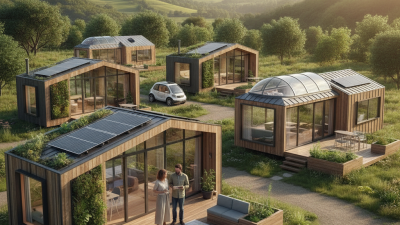
Simplicity can offer elegance. Affordable tiny homes often feature open floor plans. This creates a sense of spaciousness without extra costs. Large windows invite natural light, enhancing the living area. Think about energy efficiency, too. Solar panels are an investment but reduce bills long term.
Tips: Prioritize what you truly need. Sometimes, less is more. Select materials wisely; cheaper doesn’t mean inferior. Finding local craftsmen may offer better prices than large-scale manufacturers. Always keep the resale value in mind as well. It’s essential for future flexibility in your housing decisions.
Affordable Tiny Homes Tips for Budget-Friendly Living
| Feature |
Description |
Budget Range |
| Design Flexibility |
Look for modular designs that allow for future modifications. |
$20,000 - $50,000 |
| Energy Efficiency |
Choose homes with energy-efficient appliances and proper insulation. |
$25,000 - $60,000 |
| Sustainable Materials |
Opt for homes built with recycled or sustainably sourced materials. |
$30,000 - $70,000 |
| Multi-Functional Spaces |
Designs with convertible furniture can maximize small spaces. |
$15,000 - $45,000 |
| Outdoor Integration |
Look for designs that seamlessly connect indoor and outdoor living. |
$20,000 - $55,000 |
Cost-Saving Tips for Building and Maintaining Tiny Homes
Building and maintaining a tiny home can be a cost-effective solution. According to a report from the U.S. Census Bureau, tiny homes can cost as little as $10,000 to build. This is a fraction of the average $300,000 for a standard American home. Yet, many people overlook hidden expenses such as land, permits, and utilities, which can add up quickly. It’s essential to budget for these unforeseen costs.
Choosing sustainable materials can further reduce expenses. Many builders use reclaimed wood or recycled materials, saving money while being eco-friendly. A study from the National Association of Home Builders shows that over 60% of tiny home owners prioritize energy efficiency. Incorporating solar panels, for instance, can lead to significant savings on utility bills. However, the upfront costs can be daunting.
DIY projects also play a critical role in cost management. Homeowners often take on tasks like plumbing or electrical work. While this can save money, it requires skills and time. Some projects might not go as planned, and mistakes can lead to overspending. Reflecting on these challenges can help owners make better decisions. Controlling costs in tiny home living requires careful planning and a willingness to adapt.
Creative Space Optimization Ideas for Tiny Living Solutions
Creating a functional tiny home requires creativity and resourcefulness. According to a recent report from the National Association of Realtors, about 63% of tiny home owners feel satisfied with their space management. This satisfaction often stems from clever space optimization strategies. For instance, using multi-functional furniture can significantly enhance usability. A bed that folds into the wall or a table that doubles as storage can transform a room.
Another popular strategy involves vertical storage. Floating shelves and wall-mounted racks make excellent use of upward space, which is often overlooked. In smaller homes, the floor area is limited. Utilizing vertical space can free up valuable floor space for activities. Despite these strategies, some may find that implementing them takes time. It’s a learning curve, and mistakes can happen. Maybe a shelf collapses under too much weight, or a piece of furniture just doesn’t fit as expected. Adjusting along the way can lead to unexpected improvements.
Lighting also plays a crucial role in tiny homes. Natural light can make a tiny space feel larger. Large windows and strategically placed mirrors can create an illusion of depth. However, these elements require careful design to avoid overwhelming the space. Balancing light and shadow is essential. If not, a small space can feel cramped. The key is finding what works for you. Each tiny home is a unique reflection of its owner. Embrace the trial and error process to discover the best solutions.