2026 Top Resin Insects Types for Global Buyers
The 2026 market for decorative Resin Insects is becoming more specialized. Global buyers now compare appearance, durability, safety, and supplier consistency. A glossy butterfly may attract attention, but its color stability matters more during long-distance shipping. Small details often decide commercial value.
This guide examines the leading Resin Insects types for international purchasing. It considers butterflies, beetles, dragonflies, bees, spiders, and miniature fantasy species. Each type serves different markets, including home décor, education, gifts, museum displays, and craft projects. Buyers should check resin clarity, surface finish, wing alignment, embedded details, packaging strength, and batch consistency. A carefully protected specimen should arrive without cracks, clouding, or loose components.
Reliable sourcing requires more than attractive product photographs. Experienced buyers request samples, material information, production images, and clear inspection standards. They also confirm labeling, chemical safety documentation, and destination-market requirements before placing larger orders. These steps reduce surprises, although they cannot remove every risk. Resin quality may vary slightly between batches. Some categories also overlap. That is normal.
The following overview connects product design with practical purchasing decisions. It highlights which Resin Insects suit different customer groups and display environments. It also considers responsible manufacturing, transparent communication, and realistic lead times. Buyers should judge suppliers by evidence, not promises. A beautiful sample is only the beginning. Consistent delivery matters more.
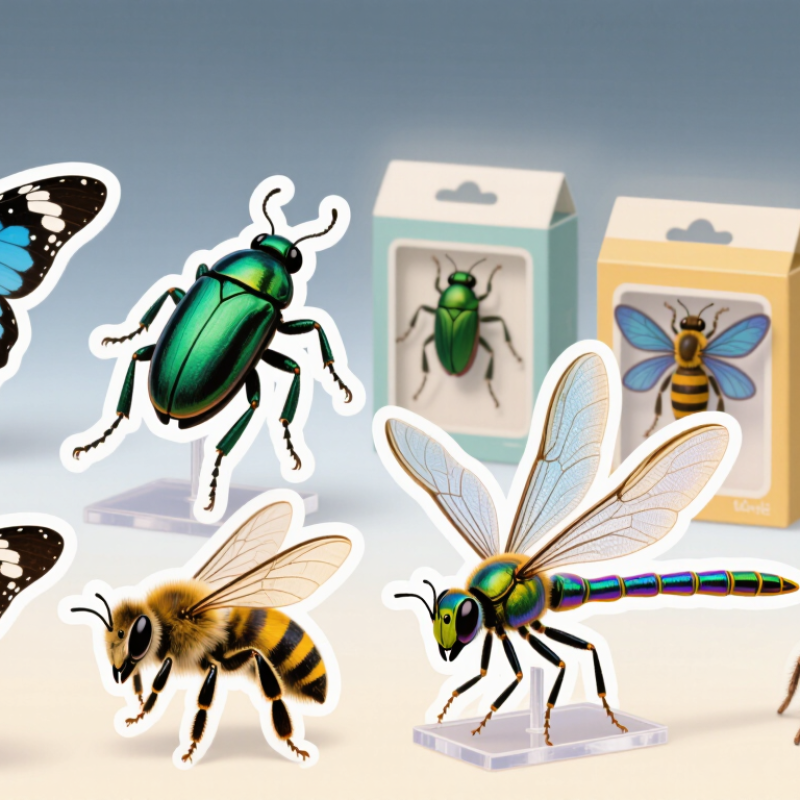
Resin Insects: Definition, Features, and Main Product Forms
2026 Top Resin Insects Types for Global Buyers
Resin insects are decorative or educational insect replicas made from cured synthetic resin. They may reproduce beetles, butterflies, dragonflies, ants, or other recognizable species. The material creates a smooth surface, solid shape, and long display life when handled properly. Clear resin can also preserve fine wings, legs, antennae, and body colors. However, tiny details may look slightly softer than natural specimens. That difference matters to serious buyers.
Main product forms include loose specimens, paperweights, key ornaments, display blocks, wall pieces, and small teaching models. Transparent blocks often suit museums, classrooms, and collectors because the insect remains visible from several angles. Flat wall pieces use less space and work well in retail displays. Miniature ornaments are easier to ship, but their thin legs can break under pressure. Buyers should check dimensions, resin clarity, edge finishing, packaging strength, and color consistency before placing bulk orders. Product photos can mislead. Requesting a physical sample is safer.
Tips: Match the form to its use. Choose thick protective packaging for fragile shapes. Ask whether the resin resists yellowing under normal indoor light. Confirm the insect’s scientific label separately from its decorative name. I have found that simple specifications prevent costly misunderstandings, although they cannot remove every production variation. Handmade finishing sometimes creates small bubbles or uneven surfaces. That is not always a defect, but it should be disclosed clearly.
Top Resin Insect Types for Global Buyers in 2026
Top resin insect types for global buyers in 2026 include beetles, butterflies, dragonflies, cicadas, and bees. Each type offers a different visual effect. Beetles provide metallic color and strong body structure. Butterflies create softer displays with broad, patterned wings. Dragonflies look delicate, especially in clear resin with minimal bubbles.
Experienced buyers should examine specimen condition, resin clarity, and mounting quality. A well-made piece shows balanced placement and smooth edges. Small bubbles may occur, but large bubbles can weaken presentation. Ask for species identification and sourcing records. Only legally obtained, non-protected specimens should enter international trade. Import rules differ widely, so sellers must provide accurate documents and avoid unclear origins.
Tips: Choose insect types that match the buyer’s climate and display purpose. In humid regions, sealed edges matter more. Request close-up photos before ordering. Check color stability, because some natural wings fade under strong sunlight. Transparent resin can yellow over time, too. No finish is perfect. Careful testing still prevents many disappointments.
Key Materials, Finishes, and Production Methods
Resin insect replicas depend on material choice more than surface decoration. Epoxy resin offers clear depth, low shrinkage, and strong detail around wings and antennae. Polyurethane cures faster and suits larger production runs. Polyester costs less, but its odor and brittleness require careful workshop controls. Grand View Research valued the global epoxy resin market at approximately US$12.4 billion in 2023, reflecting broad industrial use beyond collectibles. That scale does not guarantee quality.
Silicone molds remain practical for repeated beetles, butterflies, and articulated specimens. Makers usually create a master model through hand sculpting, CNC machining, or 3D printing. Pressure casting can reduce pinholes and trapped air, especially near thin legs. Still, imperfect molds happen. A tiny seam may need hand trimming. Clear resin can also yellow under sunlight, so buyers should request UV-exposure results, not general promises. ISO 4892 testing can help compare weathering performance.
Finishing changes the perceived species detail. A high-gloss coat resembles a wet shell, while a satin finish reveals sculpted ridges without harsh reflections. Matte coatings hide minor flaws, but they can soften transparent wings. Airbrushed pigments should remain thin around eyes and joints. Experienced producers often combine translucent layers with selective gloss. It looks more natural. The 2024 PlasticsEurope industry report notes that recycled-content demand is increasing across plastics markets, yet recycled resin may reduce optical clarity. For global orders, buyers should confirm batch color consistency, curing records, mold life, and packaging tests before approving volume production.
How Resin Insects Are Used in Décor, Education, and Collectibles
For 2026 buyers, resin insects work best when decoration carries a clear learning purpose. Beetles, butterflies, dragonflies, and cicadas offer distinct wing, shell, and body structures. Grand View Research values the global home décor market at USD 682.2 billion in 2023. It projects an 8.5% compound annual growth rate through 2030. That scale matters. Yet decorative demand alone does not prove educational value.
In classrooms, clear resin blocks can support observation without fragile handling. Students can compare venation, segmentation, camouflage, and habitat labels at close range. UNICEF and ITU reported that 1.3 billion children lacked home internet access in 2019. A physical specimen still has teaching relevance. However, resin should not replace field study, microscopy, or responsible biodiversity lessons. That limitation deserves attention.
Collectors usually seek accurate forms, stable clarity, provenance notes, and consistent finishing. The Art Basel and UBS Art Market Report 2024 recorded USD 65 billion in global art sales during 2023. That figure does not measure resin insects directly. It does indicate strong interest in tangible, displayable objects. Buyers should request scientific names, source documentation, UV-resistant resin, and safe packaging. Poor labeling weakens trust. Even attractive pieces can become misleading when species details are guessed. That is an avoidable flaw.
Global Buyer Guide to Quality, Safety, Customization, and Sourcing
In 2026, global buyers are comparing resin beetles, butterflies, dragonflies, ants, and mixed insect displays. Type selection should match the product’s purpose, audience, and handling conditions. Educational pieces need clear wings and accurate body details. Decorative collections may prioritize color depth, scale, and visual consistency. Do not judge quality by shine alone. A smooth surface can hide bubbles, warped legs, or weak joints.
Ask suppliers for material specifications, pigment information, and curing controls before placing a large order. Finished insects should have stable surfaces, no exposed sharp points, and minimal residual odor. Request age guidance when products may be handled by children. Review packaging carefully, especially around thin wings and antennae. A sample can pass inspection yet reveal uneven details in a larger batch. No process is flawless. Buyers should define acceptable tolerances in writing.
Customization works best with clear drawings, reference photos, dimensions, and color targets. Confirm whether embedded parts, transparent wings, or altered poses affect strength and cost. For sourcing, compare samples from several production stages, not only one polished piece. Check batch records, inspection photographs, carton testing, and delivery terms. A responsible supplier should explain limitations instead of promising perfection. Small trial orders remain useful, even when the supplier seems experienced. Mistakes are easier to correct before full production begins.
2026 Top Resin Insects Types for Global Buyers
Typical adult body lengths help buyers compare suitable insect forms for resin display pieces, educational models, desk ornaments, and customized decorative collections. Measurements are approximate representative lengths for commonly encountered adult insects and exclude antennae, wings, and legs.
For international sourcing, confirm the final resin dimensions separately from the natural insect size. Buyers should also verify clear resin quality, low-odor curing, color stability, secure packaging, customization tolerances, and compliance with destination-market product-safety requirements.


