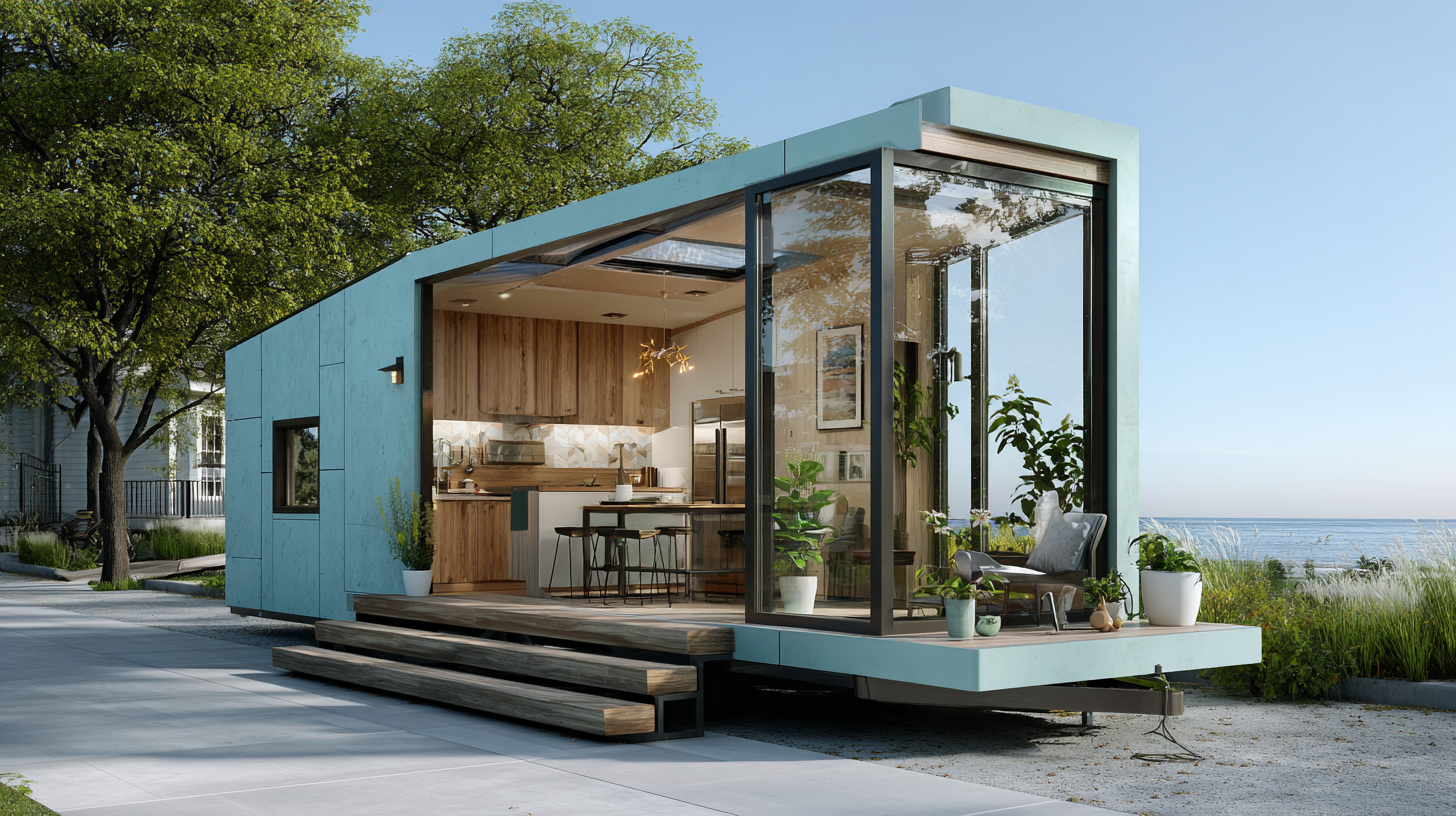
2025 Guide to Portable Homes: Top 5 Trends & 10 Creative Uses for Tiny Living
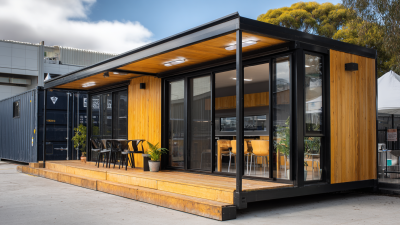
As we approach 2025, the concept of portable homes is rapidly gaining traction among those seeking flexibility, affordability, and sustainability in their living arrangements. With the rise of tiny living, portable homes are not just a trend but a practical solution for a diverse range of lifestyles. In this guide, we will explore the top five trends shaping the future of portable homes, highlighting innovative designs and technologies that are making them more accessible than ever. From eco-friendly materials to multi-functional spaces, these trends reflect a growing desire for simplicity and efficiency in our domestic environments.
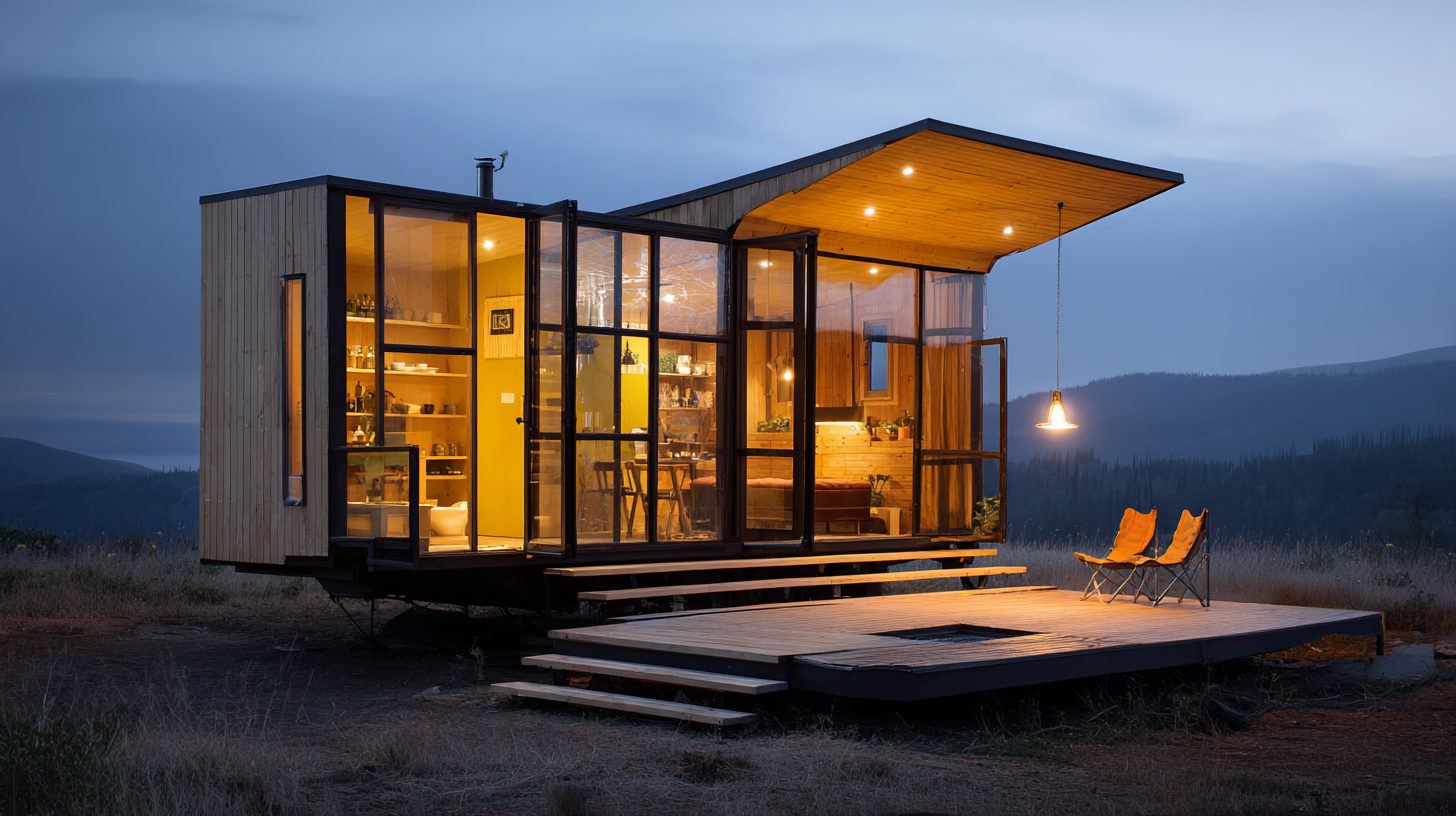
Moreover, the creative uses for tiny living extend far beyond traditional residential purposes. Portable homes are being embraced in various contexts, such as mobile offices, vacation retreats, and emergency housing solutions. This versatility allows individuals and families to reimagine how they interact with their living spaces, making portable homes an essential consideration for modern living. Join us as we delve into the exciting developments and imaginative applications of portable homes that are set to redefine our understanding of home in the years to come.
Emerging Trends in Portable Homes: An Analysis of the Tiny Living Market Growth by 2025
The tiny living market has witnessed exponential growth in recent years, and projections suggest this trend will continue into 2025. According to a recent report by MarketWatch, the global portable homes market is expected to reach approximately $200 billion by 2025, driven by increasing demand for affordable housing options and sustainable living solutions. This shift in lifestyle is largely influenced by urbanization and the rising costs of traditional housing, making portable homes an attractive alternative for many.
One emerging trend in this market is the focus on eco-friendly materials and energy-efficient designs. Many manufacturers are prioritizing sustainable resources and technologies that reduce ecological footprints, appealing to environmentally-conscious consumers. Additionally, the flexibility of portable homes allows individuals to relocate more easily, catering to the growing remote workforce.
Tip: When considering a portable home, assess your needs in terms of space, amenities, and location. It's crucial to choose a design that offers both comfort and functionality, ensuring it serves your lifestyle goals. Furthermore, explore financing options tailored to tiny home living, as this can significantly impact your investment returns in the long run.
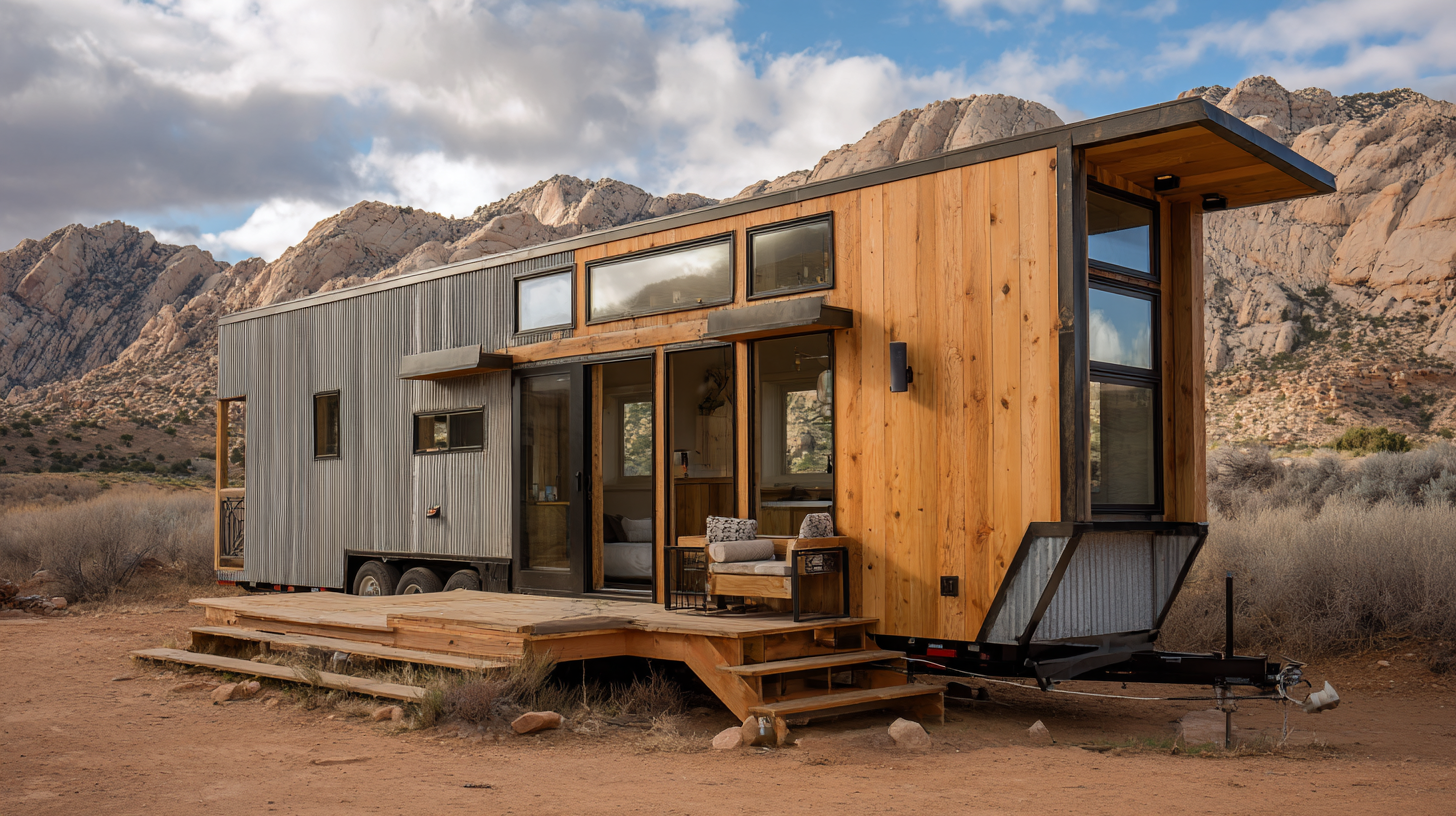
The Sustainability Factor: How Portable Homes Contribute to Eco-Friendly Living Statistics
As the demand for sustainable living options grows,
portable homes are emerging as a key player in the eco-friendly housing market. With their
modular construction methods, these homes are built off-site and minimize waste
by streamlining the building process. According to recent reports, modular construction can
reduce energy consumption by up to 67% during its lifecycle compared to traditional
building methods, making it a compelling choice for those seeking to lessen their environmental
impact.
Moreover, innovative designs are transforming visuals of tiny living spaces into
functional and appealing homes. A trend
observed in various markets is the emergence of low-cost, eco-friendly modular homes that cater to
urban dwellers, utilizing underused spaces effectively. These solutions not only address
affordability concerns but also contribute significantly to reducing carbon footprints. The
Canadian government, for instance,
has committed $25 billion to promoting
innovative housing solutions, highlighting a shift towards integrating sustainability in urban
planning and housing development. By embracing these portable homes, communities can work towards
meeting their housing needs while fostering a more sustainable future.
Innovative Space Optimization: Maximizing Functionality in Tiny Living Environments
The trend of tiny living is not just a lifestyle choice; it’s a practical solution driven by the need for sustainability and affordable housing. According to the 2022 Tiny Homes Industry Report, the market for portable homes is expected to grow to $5 billion by 2026, driven by innovations in space optimization. In 2025, the focus will be on maximizing functionality in these compact environments, enabling residents to live comfortably without sacrificing quality.
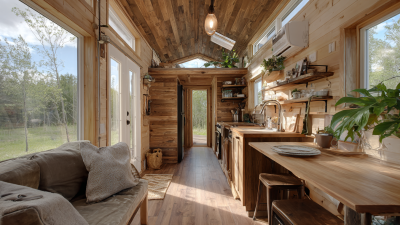
One of the most effective strategies for optimizing small spaces is multifunctional furniture. For instance, a sofa that converts into a bed by night or a dining table that folds out from the wall can save valuable space. Consider incorporating built-in storage solutions, such as underfloor drawers or wall-mounted shelves, that can help declutter your living area while enhancing its aesthetic appeal.
Tip: To create an illusion of spaciousness, use light color palettes and mirrors strategically. This not only makes the space feel larger but also adds a touch of elegance. Remember, the goal of tiny living is not just to minimize space, but to maximize your quality of life through innovative and functional design.
The Financial Impact: Cost-Effectiveness of Portable Homes Compared to Traditional Housing
The financial implications of portable homes are increasingly significant, as they offer a cost-effective alternative to traditional housing in today's economy. According to recent reports from the National Association of Home Builders, the average cost of building a single-family home has reached over $300,000, while portable homes can range from as low as $50,000 to $150,000, depending on size and amenities. This stark contrast in pricing not only makes portable homes more accessible but also allows homeowners to allocate funds to other essential areas, such as savings or investments.
When considering the financial benefits further, portable homes often lead to lower utility and maintenance costs. The U.S. Department of Energy highlights that tiny homes generally consume less energy, leading to savings upwards of 50% compared to standard homes. This model supports a sustainable lifestyle and reduces long-term financial burdens on homeowners.
Tips for financial success with portable homes:
First, consider purchasing a used or prefabricated model to maximize savings. Second, take advantage of energy-efficient appliances and renewable energy sources, such as solar panels, to significantly reduce utility expenses. Lastly, explore zoning laws and financing options available for portable homes to fully understand your potential financial savings and gain access to grants or loans designed to promote alternative housing solutions.
Creative Uses of Portable Homes: Insights from Homeowners Embracing Minimalist Lifestyles
As homeowners increasingly embrace minimalist lifestyles, portable homes are emerging as versatile solutions that cater to diverse needs. Insights from homeowners reveal innovative uses for these compact dwellings, ranging from stylish home offices to cozy guest accommodations. With a growing trend toward sustainable living, many are opting for mobile units that allow them to relocate as needed, reflecting a desire for flexibility and simplicity.
One prevalent trend among homeowners is the adaptation of portable homes for creative purposes. Many individuals are transforming their units into artist studios, allowing them a dedicated space for creativity away from daily distractions. Additionally, the increasing popularity of remote work has led to a surge in portable homes being used as tranquil workspaces, where the serene environment fosters productivity. Research indicates that around 30% of remote workers are now seeking dedicated spaces beyond their primary residences, highlighting the growing importance of portability in modern housing solutions.
**Tips:**
1. When designing your portable home workspace, incorporate natural materials and bold colors to create an inspiring environment that enhances creativity.
2. Consider optimizing your layout with modular furniture, as it can maximize space efficiency and offer flexibility for various uses, from entertaining guests to enjoying quiet reading time.
2025 Guide to Portable Homes: Trends and Creative Uses
This chart showcases the top 5 trends in portable homes for 2025. Each trend is scored on a scale of 1 to 10 based on its popularity among homeowners embracing minimalist lifestyles.